THE ADVENTURE COLLECTIVE® · Independent discovery and booking for outdoor travel

A compact, three-day introduction to Cusco’s key Inca sites and a classic train journey to Machu Picchu. Expect early starts, moderate exertion at altitude and entry governed by Peru’s Ministry of Culture.
A compact, three-day introduction to Cusco’s key Inca sites and a classic train journey to Machu Picchu. Expect early starts, moderate exertion at altitude and entry governed by Peru’s Ministry of Culture.
You step off the bus into thin air—Cusco’s stone streets and red-tiled roofs sit at roughly 3,400 m, the city breathing cool, dry oxygen into your lungs.
Verified experiences and guided adventures in the surrounding area.
Operated by Amaru Explorer Peru · Cusco, Cusco Region
You step off the bus into thin air—Cusco’s stone streets and red-tiled roofs sit at roughly 3,400 m, the city breathing cool, dry oxygen into your lungs.
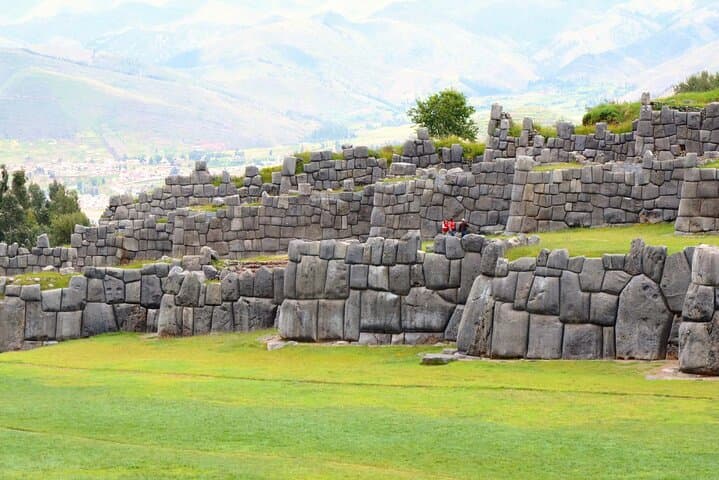
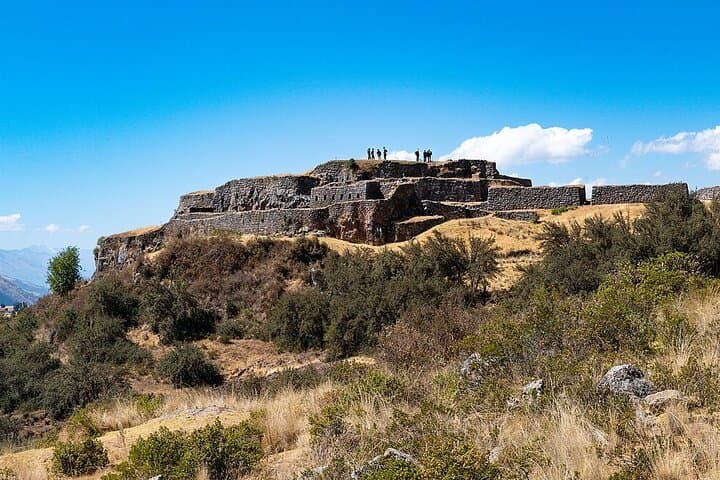
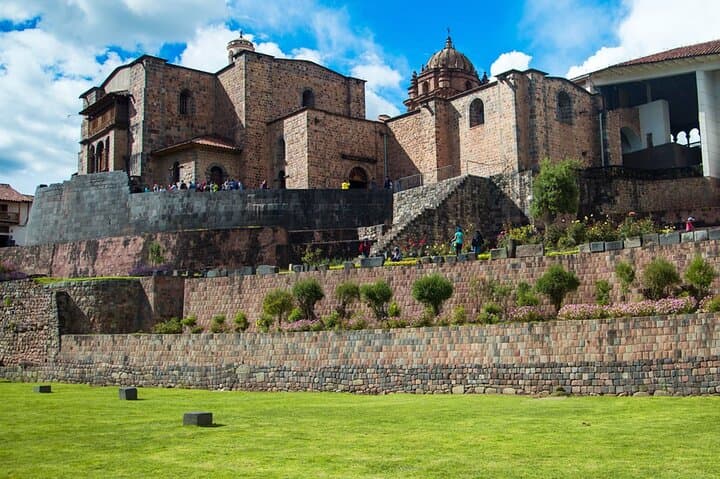
Over three days this tour threads city ruins, the agricultural terraces of the Sacred Valley and a dramatic train ride to Aguas Calientes before the first, staggering view of Machu Picchu at 2,430 m. Day one moves through Coricancha’s finely cut stone, the ramparts of Sacsayhuamán, ritual rock at Qenqo, the military outpost at Puka Pukara and the water temple Tambomachay, framing Inca civic and spiritual life.
Geology here shifts fast: high Andean puna gives way to cloud forest as you descend the Urubamba canyon, where river-cut slopes and mossy outcrops host orchids and ferns. Culture is present in the stones and villages—Quechua place names, terraced fields and living craft traditions in Ollantaytambo.
Practically: expect early starts (hotel pickup and a 4:00 a.m. transfer to catch the train), moderate exertion and altitude adjustments. Machu Picchu tickets are controlled by Peru’s Ministry of Culture and tours commonly use circuits 1 or 2; availability affects entry and may require refunds or upgrades. Travel uses air‑conditioned vehicles, Consettur buses and a guided itinerary that includes lunch in Aguas Calientes.
Bring layers, water, sun protection and patience for crowds; the payoff is a compact, well-paced introduction to the Sacred Valley and one of the most famous archaeological sites in the Americas.
moderate.
3 days.
Suitable for travelers in average cardio condition who can handle long days on foot at altitude; some walking over uneven stone and stairs.
The train from Ollantaytambo to Aguas Calientes covers roughly 60–70 km, following the Urubamba River through canyon scenery; duration is about 1.5–2 hours depending on service.
Tickets are purchased according to Ministry of Culture availability (commonly circuits 1 or 2); if no tickets are available you will receive a full refund for that portion of the package.
The standard guided visit includes walking over uneven stone and stairs; additional hikes (Huayna Picchu or Machu Picchu Mountain) require separate permits and higher fitness.
The itinerary includes transfers by air‑conditioned vehicle, Consettur buses for local movement, train tickets listed in the tour and pickup/drop-off services as described in the program.
The Sacred Valley functioned as an agricultural and ceremonial core for the Inca state; sites like Coricancha and Sacsayhuamán reflect imperial architecture and ritual organization.
Visitor numbers are managed at Machu Picchu to protect fragile archaeological and ecological zones; stick to marked paths, avoid single-use plastics and follow guide instructions to minimize impact.
Amaru Explorer Peru operates guided outdoor trips and adventures with an emphasis on safety, stewardship, and memorable experiences.
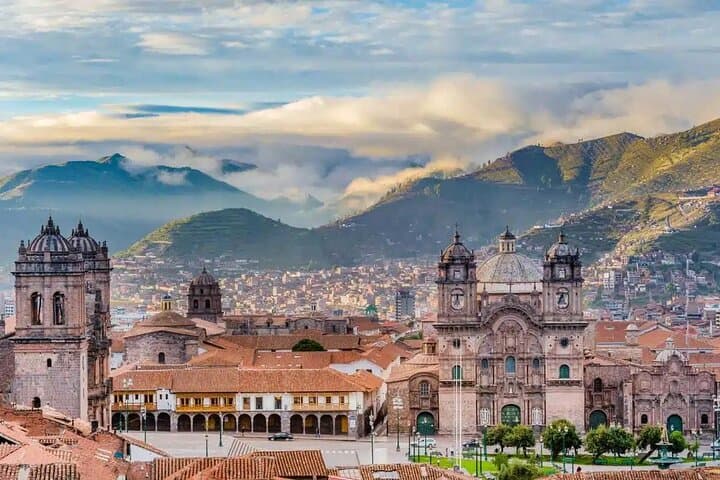
You step off the bus into thin air—Cusco’s stone streets and red-tiled roofs sit at roughly 3,400 m, the city breathing cool, dry oxygen into your lungs.
You step off the bus into thin air—Cusco’s stone streets and red-tiled roofs sit at roughly 3,400 m, the city breathing cool, dry oxygen into your lungs.
Over three days this tour threads city ruins, the agricultural terraces of the Sacred Valley and a dramatic train ride to Aguas Calientes before the first, staggering view of Machu Picchu at 2,430 m. Day one moves through Coricancha’s finely cut stone, the ramparts of Sacsayhuamán, ritual rock at Qenqo, the military outpost at Puka Pukara and the water temple Tambomachay, framing Inca civic and spiritual life.
Geology here shifts fast: high Andean puna gives way to cloud forest as you descend the Urubamba canyon, where river-cut slopes and mossy outcrops host orchids and ferns. Culture is present in the stones and villages—Quechua place names, terraced fields and living craft traditions in Ollantaytambo.
Practically: expect early starts (hotel pickup and a 4:00 a.m. transfer to catch the train), moderate exertion and altitude adjustments. Machu Picchu tickets are controlled by Peru’s Ministry of Culture and tours commonly use circuits 1 or 2; availability affects entry and may require refunds or upgrades. Travel uses air‑conditioned vehicles, Consettur buses and a guided itinerary that includes lunch in Aguas Calientes.
Bring layers, water, sun protection and patience for crowds; the payoff is a compact, well-paced introduction to the Sacred Valley and one of the most famous archaeological sites in the Americas.