THE ADVENTURE COLLECTIVE® · Independent discovery and booking for outdoor travel

Three days moving from Cusco’s stone streets into the Sacred Valley and up to Machu Picchu’s terraces—this guided package covers city highlights, Ollantaytambo, train travel to Aguas Calientes and a full visit to the Inca citadel with logistics handled for you.
Three days moving from Cusco’s stone streets into the Sacred Valley and up to Machu Picchu’s terraces—this guided package covers city highlights, Ollantaytambo, train travel to Aguas Calientes and a full visit to the Inca citadel with logistics handled for you.
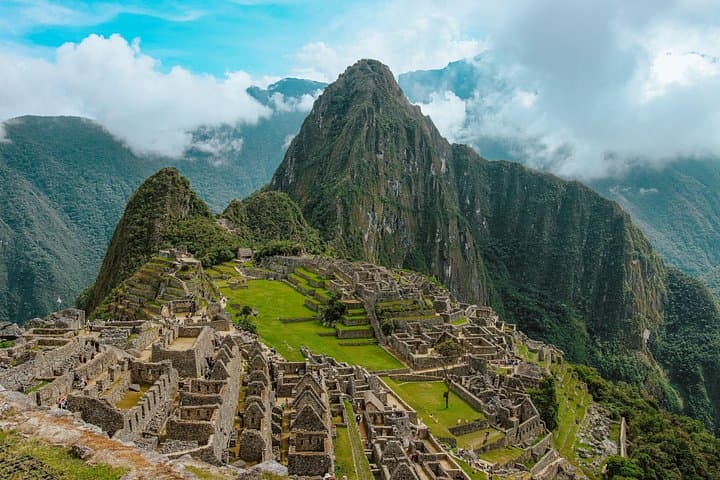
You step out of the thin-air light of Cusco into a city of stone and steep streets, then slide through the high Sacred Valley toward the green cleft where Machu Picchu perches. Day one walks you through Cusco’s carved plazas and Inca terraces; day two moves before dawn toward Ollantaytambo, a train that threads river canyons into Aguas Calientes, then a short bus switch to Machu Picchu’s sunrise terraces.
Verified experiences and guided adventures in the surrounding area.
Operated by Machu Picchu Andean Roads · Aguas Calientes, Cusco
You step out of the thin-air light of Cusco into a city of stone and steep streets, then slide through the high Sacred Valley toward the green cleft where Machu Picchu perches. Day one walks you through Cusco’s carved plazas and Inca terraces; day two moves before dawn toward Ollantaytambo, a train that threads river canyons into Aguas Calientes, then a short bus switch to Machu Picchu’s sunrise terraces.
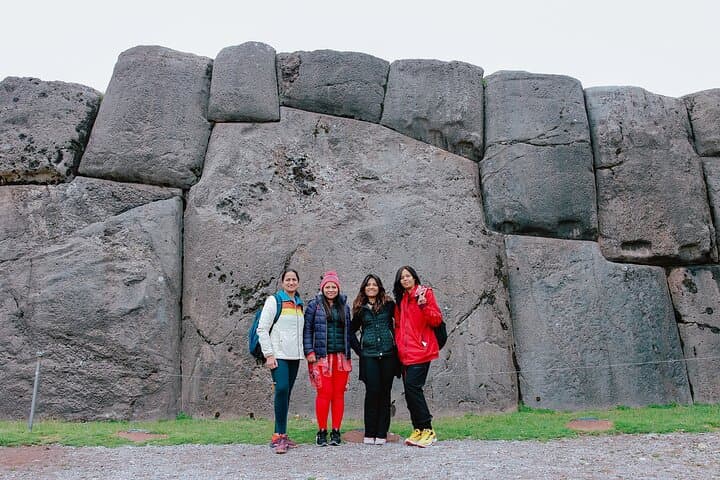
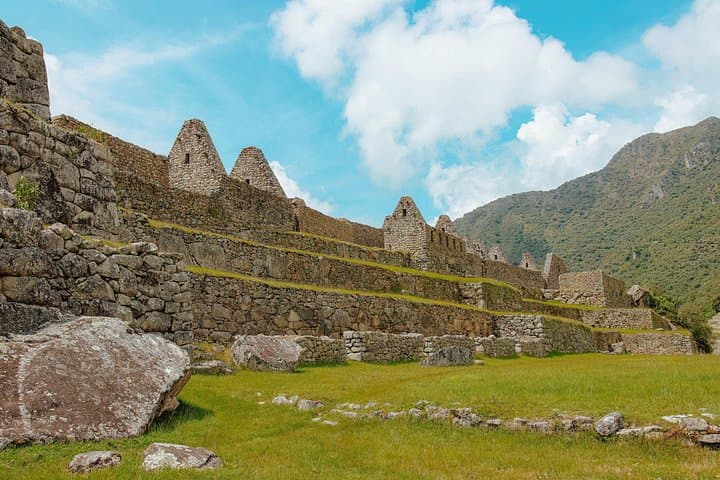
The region’s history is visible in fitted stone walls, Inca hydraulic channels and ceremonial platforms dating to the 15th century, later hidden by cloud forest until rediscovery in the early 20th century. Geology here is folded Andean bedrock—steep, unstable slopes carved by rivers—so settlements sit on terraces and ridgelines. Local culture blends Quechua traditions, Catholic festivals and market life in nearby towns; vendors still trade alpaca textiles and mountain herbs.
Practically, expect moderate walking at high altitude: cobbled steps, narrow paths and uneven terraces. Guides explain architectural alignments and terracing techniques; trains run on fixed schedules and buses between Aguas Calientes and the citadel are timed to arrivals. Bring layers for sharp temperature swings, a rain shell during the wet season, and water for repeated climbs between viewpoints.
Timelines are tight—early pickups and coordinated transfers are standard. Allow time to acclimatize in Cusco, carry small local currency for snacks, and reserve Machu Picchu tickets well in advance to match your train and bus times. Follow park rules, stay on marked paths, and you’ll leave with clearer sense of Inca engineering and a few lasting highland views.
moderate.
3 days.
Moderate fitness required—comfortable walking, stair climbing and short hikes at high altitude.
Yes—timed-entry tickets for Machu Picchu are required and often paired with train reservations; buy tickets in advance to secure your preferred time slot.
Cusco sits around 3,400 m (11,200 ft); altitude effects are common—hydrate, rest on arrival, avoid heavy exertion the first day and consider acetazolamide if recommended by your doctor.
Tours usually pick up pre-dawn from Cusco to Ollantaytambo, take a morning train to Aguas Calientes, then a short bus up to the citadel; return follows an afternoon or evening train back to the valley.
This tour typically includes two breakfasts, two nights in a 3-star hotel and some transport—confirm included meals and upgrade options when booking.
Machu Picchu was constructed by the Inca in the 15th century and brought to international attention after explorations in the early 1900s; surrounding Sacred Valley sites were integral to imperial logistics and ritual life.
The sanctuary limits daily visitors and enforces route controls—stay on designated trails, minimize plastic waste and avoid feeding wildlife to reduce impacts.
Machu Picchu Andean Roads operates guided outdoor trips and adventures with an emphasis on safety, stewardship, and memorable experiences.
You step out of the thin-air light of Cusco into a city of stone and steep streets, then slide through the high Sacred Valley toward the green cleft where Machu Picchu perches. Day one walks you through Cusco’s carved plazas and Inca terraces; day two moves before dawn toward Ollantaytambo, a train that threads river canyons into Aguas Calientes, then a short bus switch to Machu Picchu’s sunrise terraces.
You step out of the thin-air light of Cusco into a city of stone and steep streets, then slide through the high Sacred Valley toward the green cleft where Machu Picchu perches. Day one walks you through Cusco’s carved plazas and Inca terraces; day two moves before dawn toward Ollantaytambo, a train that threads river canyons into Aguas Calientes, then a short bus switch to Machu Picchu’s sunrise terraces.
The region’s history is visible in fitted stone walls, Inca hydraulic channels and ceremonial platforms dating to the 15th century, later hidden by cloud forest until rediscovery in the early 20th century. Geology here is folded Andean bedrock—steep, unstable slopes carved by rivers—so settlements sit on terraces and ridgelines. Local culture blends Quechua traditions, Catholic festivals and market life in nearby towns; vendors still trade alpaca textiles and mountain herbs.
Practically, expect moderate walking at high altitude: cobbled steps, narrow paths and uneven terraces. Guides explain architectural alignments and terracing techniques; trains run on fixed schedules and buses between Aguas Calientes and the citadel are timed to arrivals. Bring layers for sharp temperature swings, a rain shell during the wet season, and water for repeated climbs between viewpoints.
Timelines are tight—early pickups and coordinated transfers are standard. Allow time to acclimatize in Cusco, carry small local currency for snacks, and reserve Machu Picchu tickets well in advance to match your train and bus times. Follow park rules, stay on marked paths, and you’ll leave with clearer sense of Inca engineering and a few lasting highland views.