THE ADVENTURE COLLECTIVE® · Independent discovery and booking for outdoor travel

Compress three days into an efficient loop: Cusco’s colonial and Inca highlights, a Sacred Valley train ride, and a guided exploration of Machu Picchu. Ideal for travelers who want iconic sites with practical logistics handled in one package.
Compress three days into an efficient loop: Cusco’s colonial and Inca highlights, a Sacred Valley train ride, and a guided exploration of Machu Picchu. Ideal for travelers who want iconic sites with practical logistics handled in one package.
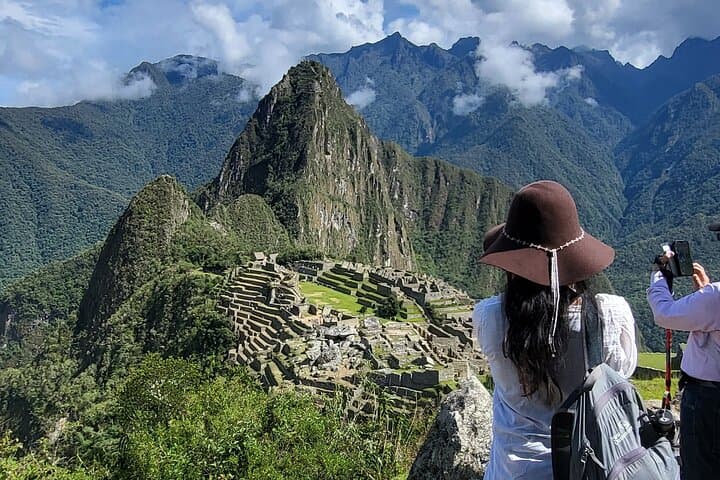
You step off the train into Aguas Calientes with the Andes closing in like a wall of green — mist clings to terraces and the Urubamba River pulls you toward the jungle below. The next morning Machu Picchu unfurls above the cloud line: terraces, trapezoidal doorways, and stonework that still fits with uncanny precision.
Verified experiences and guided adventures in the surrounding area.
Operated by Tangol · Cusco, Cusco
You step off the train into Aguas Calientes with the Andes closing in like a wall of green — mist clings to terraces and the Urubamba River pulls you toward the jungle below. The next morning Machu Picchu unfurls above the cloud line: terraces, trapezoidal doorways, and stonework that still fits with uncanny precision.
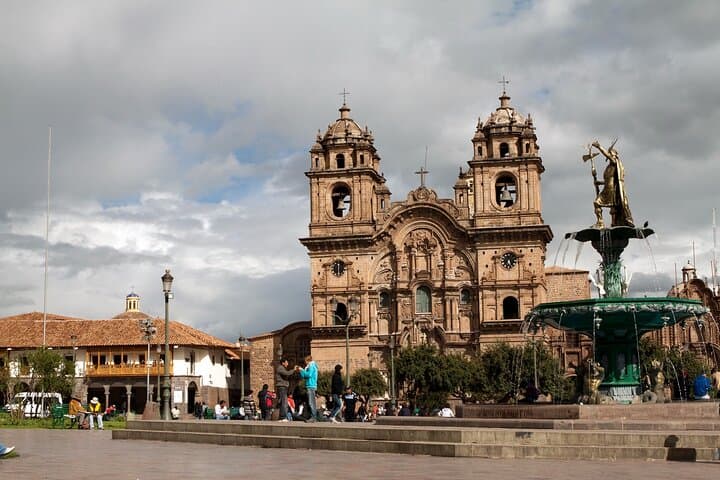
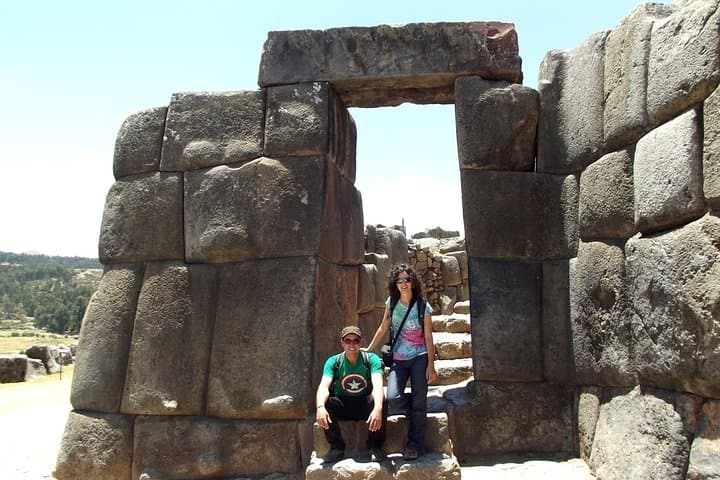
The itinerary pairs a half-day Cusco city tour with the Sacred Valley rail journey and a guided visit to Machu Picchu. In Cusco, Koricancha and the Cathedral illustrate the colonial overlay on Inca urbanism; Sacsayhuamán’s vast stones reveal the region’s seismic-aware masonry. Geologically, you’re moving from high puna (3,400 m) across the Urubamba watershed into steep cloud-forest slopes carved by glacial and fluvial action.
Culturally, the route traces Inca administrative and ritual centers; local Quechua communities continue seasonal farming and textile traditions in nearby villages. The landscape isn’t passive — rivers hurry, terraces hold rain, and cloud forests push life upslope.
Practical guidance: allow at least 48 hours in Cusco to acclimatize before the railway day; bring sunscreen, a waterproof layer, and sturdy shoes for uneven Inca stone. Trains limit luggage to small bags (~5 kg); reserve permits and train tickets well in advance, especially from May–September (dry season). Expect guided tours inside Machu Picchu of roughly two hours, followed by self-exploration time. Morning visits reduce cloud cover and crowds. Hydrate, move deliberately on steep steps, and respect site rules — the ruins are a fragile archaeological and ecological reserve.
moderate.
3 days.
Light to moderate fitness; must be able to handle several hours of walking on uneven stone and steps at altitude.
Guided tours included with most packages typically last about two hours, after which you have time to explore independently.
Yes — Cusco sits around 3,400 m; plan 24–48 hours of light activity before the train day to reduce altitude sickness risk.
This package includes round-trip train tickets and entrance tickets, but schedules may vary by season and availability.
Trains commonly allow one small bag up to about 5 kg; larger luggage is normally transferred separately by your operator.
Cusco was the capital of the Inca Empire; nearby sites like Sacsayhuamán and Qenqo were ceremonial and military nodes linked to Inca statecraft.
Machu Picchu lies within a protected historical sanctuary with strict visitor limits and trail rules—stay on marked paths and carry out waste to reduce impact.
Tangol operates guided outdoor trips and adventures with an emphasis on safety, stewardship, and memorable experiences.
You step off the train into Aguas Calientes with the Andes closing in like a wall of green — mist clings to terraces and the Urubamba River pulls you toward the jungle below. The next morning Machu Picchu unfurls above the cloud line: terraces, trapezoidal doorways, and stonework that still fits with uncanny precision.
You step off the train into Aguas Calientes with the Andes closing in like a wall of green — mist clings to terraces and the Urubamba River pulls you toward the jungle below. The next morning Machu Picchu unfurls above the cloud line: terraces, trapezoidal doorways, and stonework that still fits with uncanny precision.
The itinerary pairs a half-day Cusco city tour with the Sacred Valley rail journey and a guided visit to Machu Picchu. In Cusco, Koricancha and the Cathedral illustrate the colonial overlay on Inca urbanism; Sacsayhuamán’s vast stones reveal the region’s seismic-aware masonry. Geologically, you’re moving from high puna (3,400 m) across the Urubamba watershed into steep cloud-forest slopes carved by glacial and fluvial action.
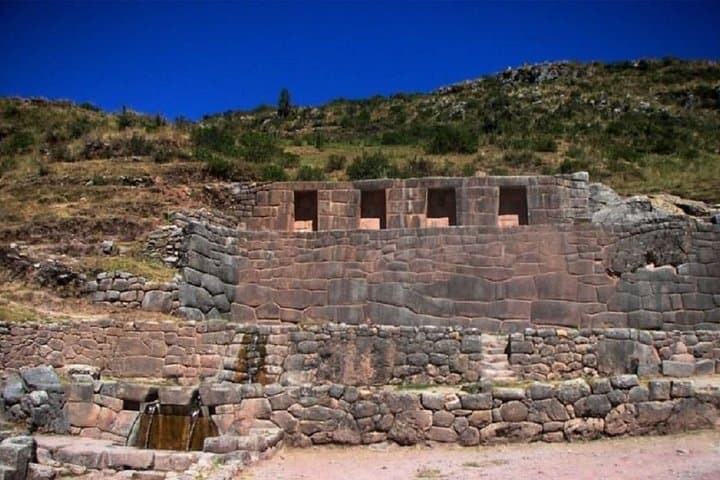
Culturally, the route traces Inca administrative and ritual centers; local Quechua communities continue seasonal farming and textile traditions in nearby villages. The landscape isn’t passive — rivers hurry, terraces hold rain, and cloud forests push life upslope.
Practical guidance: allow at least 48 hours in Cusco to acclimatize before the railway day; bring sunscreen, a waterproof layer, and sturdy shoes for uneven Inca stone. Trains limit luggage to small bags (~5 kg); reserve permits and train tickets well in advance, especially from May–September (dry season). Expect guided tours inside Machu Picchu of roughly two hours, followed by self-exploration time. Morning visits reduce cloud cover and crowds. Hydrate, move deliberately on steep steps, and respect site rules — the ruins are a fragile archaeological and ecological reserve.