THE ADVENTURE COLLECTIVE® · Independent discovery and booking for outdoor travel

Cover Cusco’s essentials in three focused days: textile villages, Inca agricultural labs, Machu Picchu at first light, and the mineral stripes of Rainbow Mountain. Early starts, high passes, and rail connections make this a packed but unforgettable Andean sampler.
Cover Cusco’s essentials in three focused days: textile villages, Inca agricultural labs, Machu Picchu at first light, and the mineral stripes of Rainbow Mountain. Early starts, high passes, and rail connections make this a packed but unforgettable Andean sampler.
Dawn arrives over the Andes as a shuttle slides out of Cusco, the city’s red-tiled roofs shrinking beneath terraced hills. The first day unfurls like a map: textile workshops in Chinchero, the circular agricultural theaters of Moray, the glittering salt pans at Maras, and the stepped stronghold of Ollantaytambo. Each stop layers human ingenuity over raw mountain geometry—stone stairs worn by centuries, terraces etched into steep slopes, and rivers that seem to hurry you along.
Verified experiences and guided adventures in the surrounding area.
Operated by exploor · Cusco, Cusco Region
Dawn arrives over the Andes as a shuttle slides out of Cusco, the city’s red-tiled roofs shrinking beneath terraced hills. The first day unfurls like a map: textile workshops in Chinchero, the circular agricultural theaters of Moray, the glittering salt pans at Maras, and the stepped stronghold of Ollantaytambo. Each stop layers human ingenuity over raw mountain geometry—stone stairs worn by centuries, terraces etched into steep slopes, and rivers that seem to hurry you along.
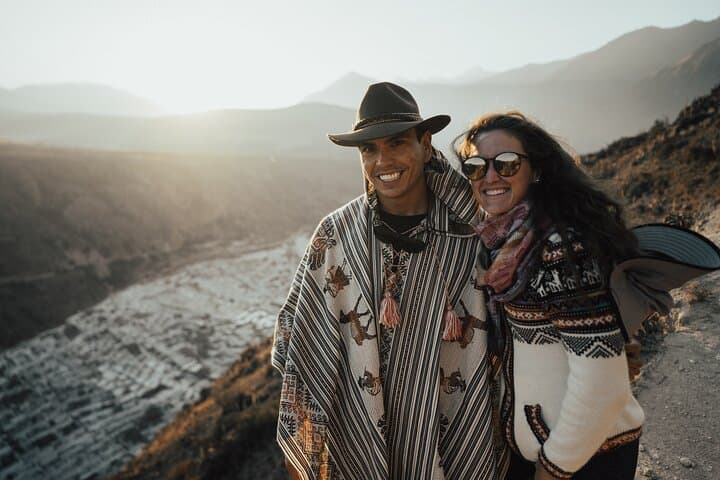
This route threads core Inca engineering and high-Andean geology. Moray’s concentric bowls are a living laboratory of microclimates; the Maras salt pans follow a saline spring network carved into the valley. Local Quechua communities maintain weaving traditions in Chinchero and Pisac, where textiles still carry patterns passed down through generations.
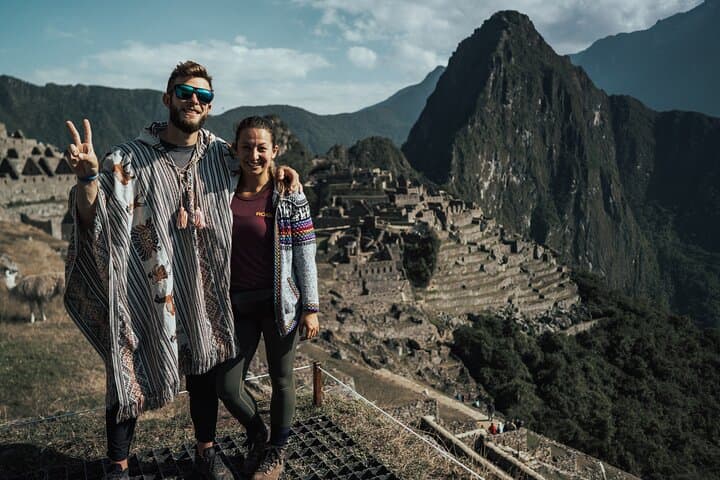
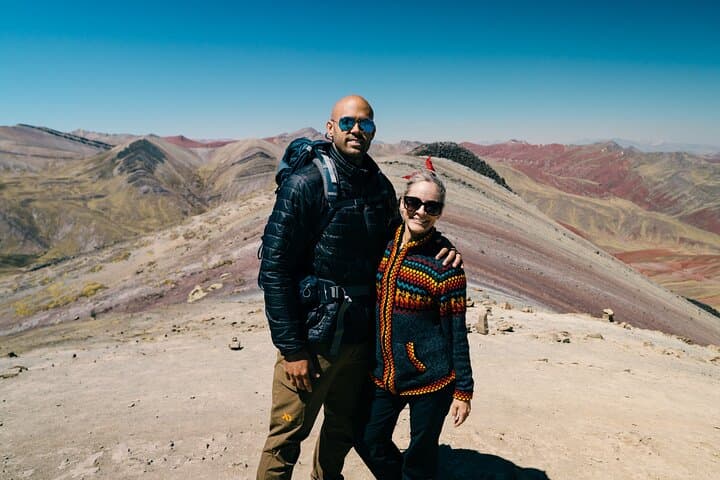
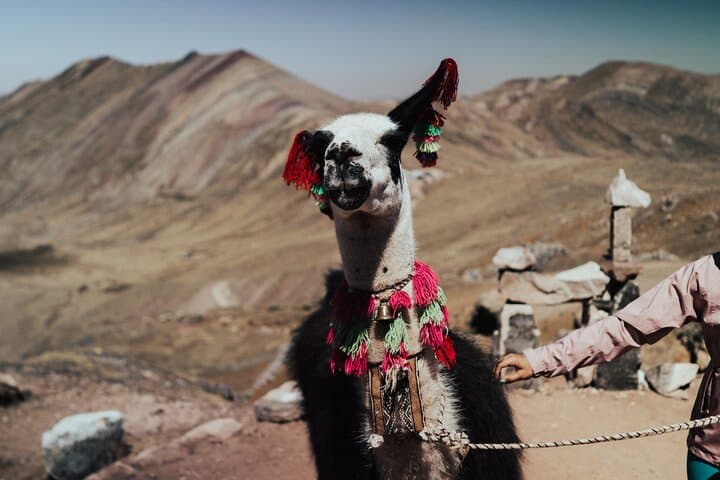
On day two, an early train takes you toward Aguas Calientes and the guided visit to Machu Picchu, timed to beat the mid-morning crowds. Expect steep stone staircases, panoramic viewpoints, and a compact window of time on the citadel. Day three begins before sunrise for Palccoyo (Rainbow Mountain): thin air, vivid mineral bands, and optional short hikes punctuated by llamas and sharp light.
Practical edge: altitude is the main challenge—plan easy days on arrival, hydrate, and carry layers for dramatic temperature swings. Wear sturdy boots for uneven terraces, bring sun protection, and budget time for trains and transfers. This itinerary compresses high-altitude highlights into three active days—efficient, scenic, and logistically tight.
moderate.
3 days.
Moderate fitness: able to walk 2–4 hours at altitude, ascend stairs and short steep sections; allow recovery for altitude.
Yes—this itinerary includes Machu Picchu entrance, the Expedition train and shuttle bus ticket as listed in the inclusions.
The Palccoyo viewpoint approach is a short uphill hike at high altitude; it’s less technical than Vinicunca but still requires steady breathing and frequent rests.
Breakfast and two lunches are provided (vegan and vegetarian options available); plan for one independent meal in Aguas Calientes during free time.
Yes—you’ll have scheduled time in Ollantaytambo and free time in Aguas Calientes for lunch and optional exploration before returning by train.
This corridor is the Inca heartland: terraces, saltworks and fortresses were part of a linked agricultural and defensive network supporting Cusco’s empire.
Machu Picchu has visitor limits to reduce wear; stick to marked paths, avoid single-use plastics, and support local guides and cooperatives to keep tourism sustainable.
exploor operates guided outdoor trips and adventures with an emphasis on safety, stewardship, and memorable experiences.
Dawn arrives over the Andes as a shuttle slides out of Cusco, the city’s red-tiled roofs shrinking beneath terraced hills. The first day unfurls like a map: textile workshops in Chinchero, the circular agricultural theaters of Moray, the glittering salt pans at Maras, and the stepped stronghold of Ollantaytambo. Each stop layers human ingenuity over raw mountain geometry—stone stairs worn by centuries, terraces etched into steep slopes, and rivers that seem to hurry you along.
Dawn arrives over the Andes as a shuttle slides out of Cusco, the city’s red-tiled roofs shrinking beneath terraced hills. The first day unfurls like a map: textile workshops in Chinchero, the circular agricultural theaters of Moray, the glittering salt pans at Maras, and the stepped stronghold of Ollantaytambo. Each stop layers human ingenuity over raw mountain geometry—stone stairs worn by centuries, terraces etched into steep slopes, and rivers that seem to hurry you along.
This route threads core Inca engineering and high-Andean geology. Moray’s concentric bowls are a living laboratory of microclimates; the Maras salt pans follow a saline spring network carved into the valley. Local Quechua communities maintain weaving traditions in Chinchero and Pisac, where textiles still carry patterns passed down through generations.
On day two, an early train takes you toward Aguas Calientes and the guided visit to Machu Picchu, timed to beat the mid-morning crowds. Expect steep stone staircases, panoramic viewpoints, and a compact window of time on the citadel. Day three begins before sunrise for Palccoyo (Rainbow Mountain): thin air, vivid mineral bands, and optional short hikes punctuated by llamas and sharp light.
Practical edge: altitude is the main challenge—plan easy days on arrival, hydrate, and carry layers for dramatic temperature swings. Wear sturdy boots for uneven terraces, bring sun protection, and budget time for trains and transfers. This itinerary compresses high-altitude highlights into three active days—efficient, scenic, and logistically tight.