THE ADVENTURE COLLECTIVE® · Independent discovery and booking for outdoor travel

A three-day, guided loop from Cusco through the Sacred Valley to Machu Picchu that blends Inca archaeology, living textile traditions and reachable mountain views. Logistics are included—train, transfers and park entry—so you can focus on acclimatizing and exploring.
A three-day, guided loop from Cusco through the Sacred Valley to Machu Picchu that blends Inca archaeology, living textile traditions and reachable mountain views. Logistics are included—train, transfers and park entry—so you can focus on acclimatizing and exploring.
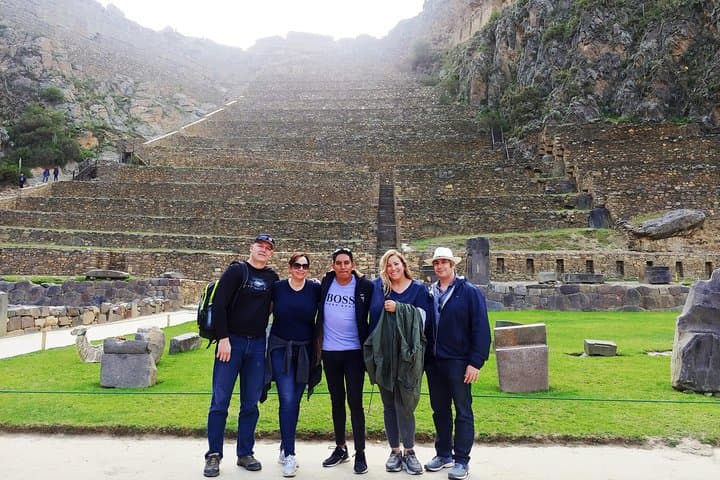
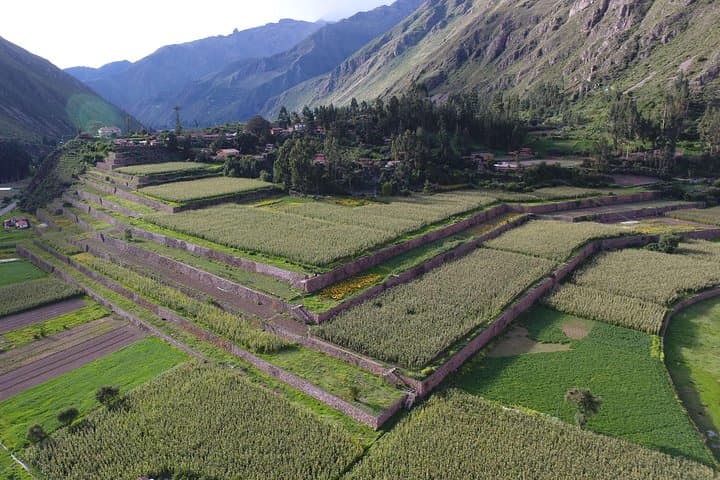
Dawn light slices across the terraces of the Sacred Valley as a private van eases out of Cusco, the old imperial capital, and toward stonework that predates the Spanish conquest.
Verified experiences and guided adventures in the surrounding area.
Operated by Peru4Fun Servicios Turísticos EIRL · Cusco, Cusco Region
Dawn light slices across the terraces of the Sacred Valley as a private van eases out of Cusco, the old imperial capital, and toward stonework that predates the Spanish conquest.
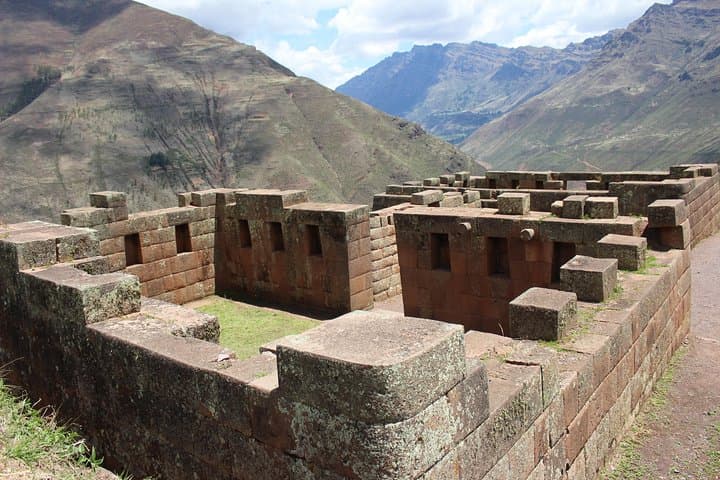
Over three days the route threads Inca fortresses, salt pans, circular agricultural terraces and the cloud-hemmed terraces of Machu Picchu. Travelers move from Cusco’s high-altitude plaza (≈3,400 m) down into the valley and later up into the mist that rims the citadel (≈2,430 m). The landscape is volcanic and folded Andes—steep river gorges, exposed granite and hand-shaped terraces that reveal practical engineering as much as belief.
This itinerary mixes cultural context (Inca ceremonial platforms, textile workshops and salt evaporation at Maras) with accessible walks: cobbled streets, compact staircases and maintained archaeological paths. Huayna Picchu or Machu Picchu Mountain can be added for steep, rope‑handed sections that gain a few hundred meters and reward with panoramic vantage points.
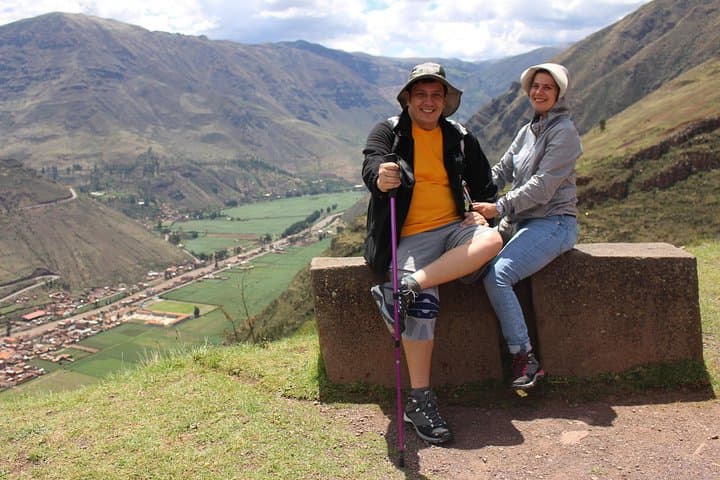
Practical guidance: the program includes three nights in 3–4 star hotels, private transfers, train segments and park entry, so logistics are handled; bring your passport for site admission. Expect uneven stone steps, short steep ascents and changing weather—sun to cloud to drizzle in hours. Acclimatize in Cusco if possible, hydrate, layer for temperature swings and leave extra time for trains and ticket checkpoints. Early starts beat crowds at the ruins; a local guide will clarify archaeology, geology and living traditions along the way.
moderate.
3 days.
Suitable for travelers in reasonable health who can handle several hours of walking on uneven stone stairways and short steep climbs.
No—this itinerary is rated suitable for most fitness levels; expect walking on uneven ground and some short steep sections, but no technical climbing is required.
Yes—train segments, park entrance and guided visits are included in the tour package as described.
Huayna Picchu requires an additional timed ticket and a good head for heights; inquire when booking to secure a limited slot.
Cusco sits at ~3,400 m; plan 24–48 hours to acclimatize, hydrate, avoid alcohol and consider medication if you’re prone to symptoms.
Machu Picchu is attributed to Pachacutec and functioned as a royal estate and ritual center; the Sacred Valley served as agricultural heartland with engineered terraces for varied microclimates.
Visitor numbers are regulated with timed entries and restricted routes to protect fragile stonework and endemic flora; stay on marked paths and avoid feeding wildlife.
Peru4Fun Servicios Turísticos EIRL operates guided outdoor trips and adventures with an emphasis on safety, stewardship, and memorable experiences.
Dawn light slices across the terraces of the Sacred Valley as a private van eases out of Cusco, the old imperial capital, and toward stonework that predates the Spanish conquest.
Dawn light slices across the terraces of the Sacred Valley as a private van eases out of Cusco, the old imperial capital, and toward stonework that predates the Spanish conquest.
Over three days the route threads Inca fortresses, salt pans, circular agricultural terraces and the cloud-hemmed terraces of Machu Picchu. Travelers move from Cusco’s high-altitude plaza (≈3,400 m) down into the valley and later up into the mist that rims the citadel (≈2,430 m). The landscape is volcanic and folded Andes—steep river gorges, exposed granite and hand-shaped terraces that reveal practical engineering as much as belief.
This itinerary mixes cultural context (Inca ceremonial platforms, textile workshops and salt evaporation at Maras) with accessible walks: cobbled streets, compact staircases and maintained archaeological paths. Huayna Picchu or Machu Picchu Mountain can be added for steep, rope‑handed sections that gain a few hundred meters and reward with panoramic vantage points.
Practical guidance: the program includes three nights in 3–4 star hotels, private transfers, train segments and park entry, so logistics are handled; bring your passport for site admission. Expect uneven stone steps, short steep ascents and changing weather—sun to cloud to drizzle in hours. Acclimatize in Cusco if possible, hydrate, layer for temperature swings and leave extra time for trains and ticket checkpoints. Early starts beat crowds at the ruins; a local guide will clarify archaeology, geology and living traditions along the way.