THE ADVENTURE COLLECTIVE® · Independent discovery and booking for outdoor travel

Three days from Cusco to Machu Picchu compress Inca history, highland geology, and living Andean culture into a manageable loop. Expect guided walks, train and bus transfers, and panoramic terraces that reveal why the Sacred Valley shaped an empire.
Three days from Cusco to Machu Picchu compress Inca history, highland geology, and living Andean culture into a manageable loop. Expect guided walks, train and bus transfers, and panoramic terraces that reveal why the Sacred Valley shaped an empire.
A highland morning in Cusco begins with thin air and the clack of cobbles under boots. You arrive at Plaza de Armas as church bells trace the skyline, then the road unfurls into the Sacred Valley—steep terraces and salt pans stitched into the mountain flank—before a train threads cloud-tipped peaks into Aguas Calientes and the final rise to Machu Picchu.
Verified experiences and guided adventures in the surrounding area.
Operated by MANDALAS PERU TRAVEL · Cusco, Cusco Region
A highland morning in Cusco begins with thin air and the clack of cobbles under boots. You arrive at Plaza de Armas as church bells trace the skyline, then the road unfurls into the Sacred Valley—steep terraces and salt pans stitched into the mountain flank—before a train threads cloud-tipped peaks into Aguas Calientes and the final rise to Machu Picchu.
This three-day itinerary compresses Inca history and Andean geology into an accessible loop. Cusco sits at ~3,400 m, once the Inca capital, its surrounding ridges scarred by terracing and volcanic deposits that shaped agricultural experiments at Moray. The Maras salt pools are pre-modern evaporation systems, while Ollantaytambo showcases precision stonework and defensive terraces. Machu Picchu, at ~2,430 m, perches on granite ridges cut by the Urubamba River, offering terraces, temples, and the Intihuatana rock—an astronomical anchor.
Culturally, expect weaving demonstrations in Chinchero and markets in Aguas Calientes where Quechua traditions and colonial influences intersect. Guide-led site walks typically run two hours at Machu Picchu; train segments from Ollantaytambo take about 1.5–2 hours.
Practical pointers: acclimatize in Cusco for at least a day, carry layered rain gear for sudden mountain showers, and budget time for queues at bus transfers to Machu Picchu. Footwear should be grippy for uneven stone paths. Mobile or paper tickets are accepted, and the tour includes select hotels, train and bus transfers, and lunch on day two. With steady pacing, this trip balances cultural immersion with manageable walking and unforgettable highland views.
moderate.
3 days.
Moderate fitness—able to walk 2–4 hours per day on uneven terrain and manage short stair climbs at altitude.
Yes—Cusco sits around 3,400 m; allow at least a day to acclimatize, hydrate, rest, and avoid heavy exertion on arrival.
This tour includes round-trip train tickets (Ollantaytambo–Aguas Calientes), bus transfers to Machu Picchu, and site admission as outlined in the itinerary.
Guided tours are typically about two hours covering 1–3 km on uneven stone paths; additional optional hikes (Sun Gate, Huayna Picchu) require separate permits.
Bring Peruvian soles for small purchases, snacks, and tips; major cards work in Cusco but smaller towns and markets are cash-based.
Cusco was the Inca Empire’s administrative center; nearby sites like Ollantaytambo and Moray illustrate agricultural innovation and defensive planning.
High visitor numbers stress fragile soils and water systems—stick to marked paths, avoid single-use plastics, and support local conservation fees when available.
MANDALAS PERU TRAVEL operates guided outdoor trips and adventures with an emphasis on safety, stewardship, and memorable experiences.
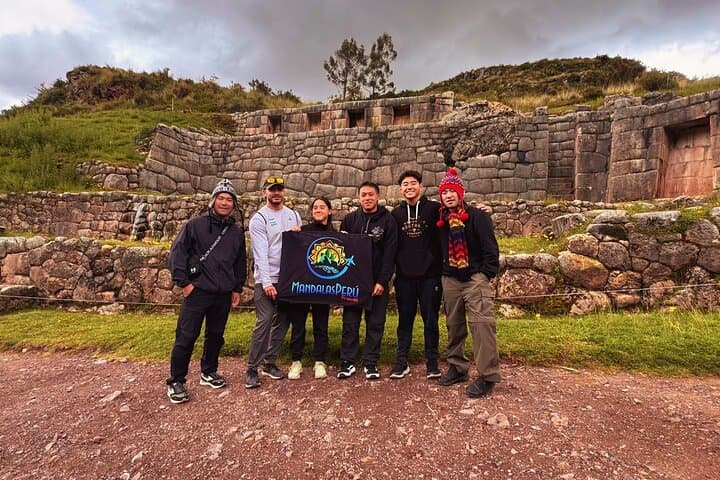
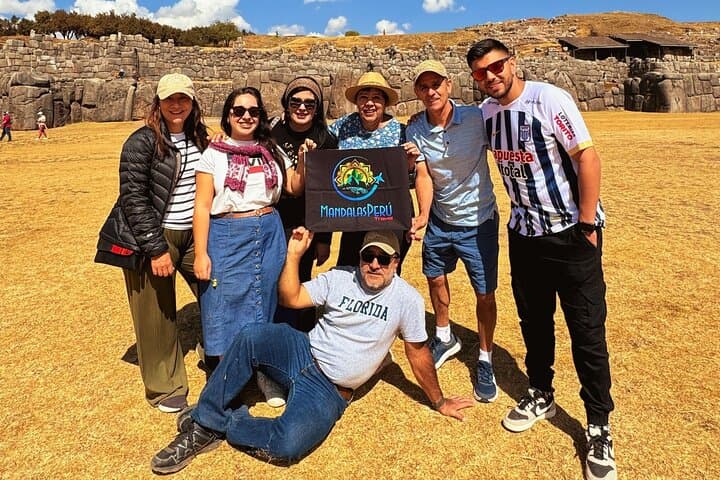
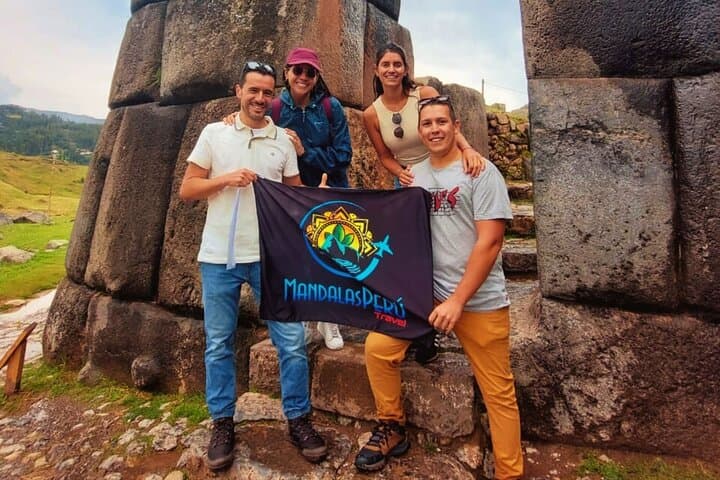
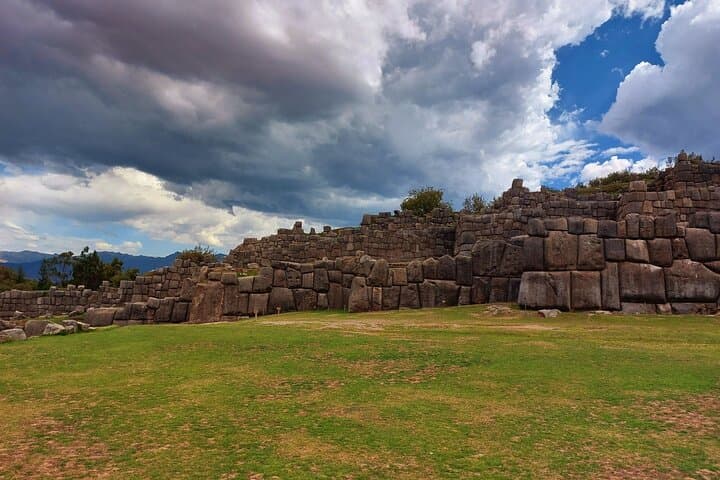
A highland morning in Cusco begins with thin air and the clack of cobbles under boots. You arrive at Plaza de Armas as church bells trace the skyline, then the road unfurls into the Sacred Valley—steep terraces and salt pans stitched into the mountain flank—before a train threads cloud-tipped peaks into Aguas Calientes and the final rise to Machu Picchu.
A highland morning in Cusco begins with thin air and the clack of cobbles under boots. You arrive at Plaza de Armas as church bells trace the skyline, then the road unfurls into the Sacred Valley—steep terraces and salt pans stitched into the mountain flank—before a train threads cloud-tipped peaks into Aguas Calientes and the final rise to Machu Picchu.
This three-day itinerary compresses Inca history and Andean geology into an accessible loop. Cusco sits at ~3,400 m, once the Inca capital, its surrounding ridges scarred by terracing and volcanic deposits that shaped agricultural experiments at Moray. The Maras salt pools are pre-modern evaporation systems, while Ollantaytambo showcases precision stonework and defensive terraces. Machu Picchu, at ~2,430 m, perches on granite ridges cut by the Urubamba River, offering terraces, temples, and the Intihuatana rock—an astronomical anchor.
Culturally, expect weaving demonstrations in Chinchero and markets in Aguas Calientes where Quechua traditions and colonial influences intersect. Guide-led site walks typically run two hours at Machu Picchu; train segments from Ollantaytambo take about 1.5–2 hours.
Practical pointers: acclimatize in Cusco for at least a day, carry layered rain gear for sudden mountain showers, and budget time for queues at bus transfers to Machu Picchu. Footwear should be grippy for uneven stone paths. Mobile or paper tickets are accepted, and the tour includes select hotels, train and bus transfers, and lunch on day two. With steady pacing, this trip balances cultural immersion with manageable walking and unforgettable highland views.