THE ADVENTURE COLLECTIVE® · Independent discovery and booking for outdoor travel

A private, three-day circuit through Sri Lanka’s Cultural Triangle—climb the red-brown face of Sigiriya, step into the painted caverns of Dambulla, pedal past Polonnaruwa’s stone palaces and end at Kandy’s Temple of the Tooth. This tour pairs easy logistics with intense heritage.
A private, three-day circuit through Sri Lanka’s Cultural Triangle—climb the red-brown face of Sigiriya, step into the painted caverns of Dambulla, pedal past Polonnaruwa’s stone palaces and end at Kandy’s Temple of the Tooth. This tour pairs easy logistics with intense heritage.
You arrive in the low morning light, Colombo shrinking behind the highway and the air taking on the vegetal sweetness of Sri Lanka’s interior. The road opens into a stitched patchwork of rice paddies and bright-green chena fields; palms lean like old travelers along the route. By midday the silhouette of Sigiriya rises ahead — a raw vertical presence of red-brown rock that demands to be climbed.
Verified experiences and guided adventures in the surrounding area.
Operated by vishwa colombo tours · Sigiriya, Central Province
You arrive in the low morning light, Colombo shrinking behind the highway and the air taking on the vegetal sweetness of Sri Lanka’s interior. The road opens into a stitched patchwork of rice paddies and bright-green chena fields; palms lean like old travelers along the route. By midday the silhouette of Sigiriya rises ahead — a raw vertical presence of red-brown rock that demands to be climbed.
Over three days this private circuit threads four UNESCO sites: the fortified rock of Sigiriya, the painted caves of Dambulla, the ruined grandeur of Polonnaruwa and Kandy’s spired temple complex. Sigiriya’s plateau—roughly 200 meters of volcanic rock thrusting from the plain—was an ambitious urban project in the 5th century CE. Its mirrorlike fresco panels and hydraulic gardens reveal a planning mind that thought in terraces, pools and axial sightlines; the climb is a conversation with engineering and artistry that still feels modern.
Dambulla’s cave temple complex houses more than a hundred Buddha images carved into cavernous rock, pigments still clinging to painted ceilings. The caves sit on a ridge that was a natural refuge and later a devotional stage, its limestone bones carved to hold devotion and kingship.
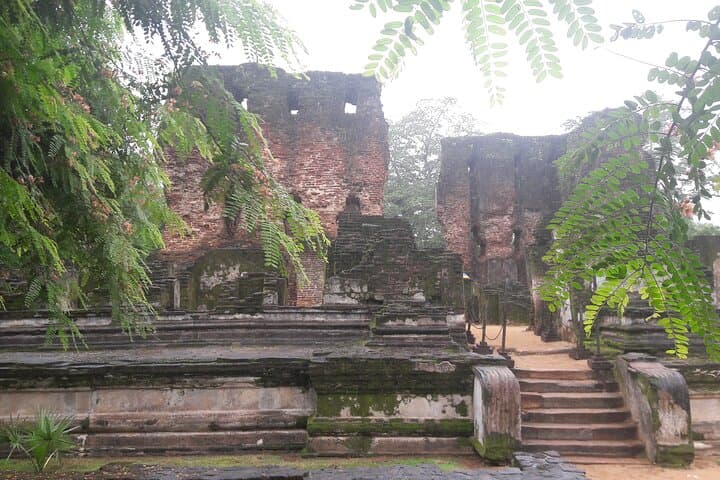
Polonnaruwa, once the island’s medieval capital, allows slower movement—cyclists often take advantage of flat lanes to thread between stupas, bathing ponds and the Royal Palace’s stone remains. Granite and laterite here are patient materials, eroded into weathered lion paws and balustrades that keep a dry, reverent silence.
Kandy closes the loop with the Temple of the Tooth, where a gilded inner chamber safeguards what Buddhists revere as the relic. The city’s botanical gardens, five kilometers west, are practical and tropical: spice trees, expansive orchid houses and medicinal plant displays that underline Sri Lanka’s living relationship with Ayurveda and colonial-era plant exchanges.
Practical guidance: the tour travels by air-conditioned vehicle with hotel pickup in Colombo and runs at a moderate pace—expect 4–6 hours of walking on two of the days, and a steep, metal-and-stone climb at Sigiriya that takes 45–90 minutes round-trip depending on stops. Wear grippy shoes for stone steps, bring a refillable water bottle, sunscreen and light rain protection—the weather shifts quickly. Entrance tickets are required at each site; your driver will handle logistics, but carry small denominations of rupees for tips, snacks, and shrine donations.
Cultural note: dress respectfully at temples—covered shoulders and knees—and remove shoes before entering sacred spaces. The route is wheelchair-friendly in vehicle transport, but access is limited at the caves and the Sigiriya summit.
This three-day loop is a concentrated primer on Sri Lanka’s Cultural Triangle: a mix of climbing, quiet archaeological walking and close encounters with devotional architecture and botanic knowledge. It’s paced for discovery, not rush, and gives travelers a compact history lesson set against a landscape that still feels alive and unafraid to demand attention.
moderate.
3 days.
Moderately fit: comfortable walking 4–6 km per day and able to climb steep stone/metal steps at Sigiriya.
This private tour provides an English-speaking driver; commentary is offered by the driver but there isn’t a dedicated local guide at each site unless requested.
Entrance fees are not included in the itinerary description; confirm with the operator whether site admissions will be added to your booking.
Yes—children can join but infants must sit on an adult’s lap during transportation; sites may require extra supervision on stairways.
Vehicle transport and many pickup options are wheelchair accessible, but cave interiors and the Sigiriya summit are not suitable for wheelchairs.
Sri Lankan rupees (LKR) are used for small purchases, tips and shrine donations; ATMs are available in larger towns like Dambulla and Kandy.
Tipping is customary but not mandatory; modest tips for drivers and local guides are appreciated—carry small notes for convenience.
These sites form Sri Lanka’s Cultural Triangle, where medieval capitals and Buddhist monastic complexes concentrated royal power and devotional art between the 1st and 13th centuries CE.
Heritage sites are managed with visitor limits and conservation programs; avoid touching frescoes and use designated paths to reduce erosion.
vishwa colombo tours operates guided outdoor trips and adventures with an emphasis on safety, stewardship, and memorable experiences.
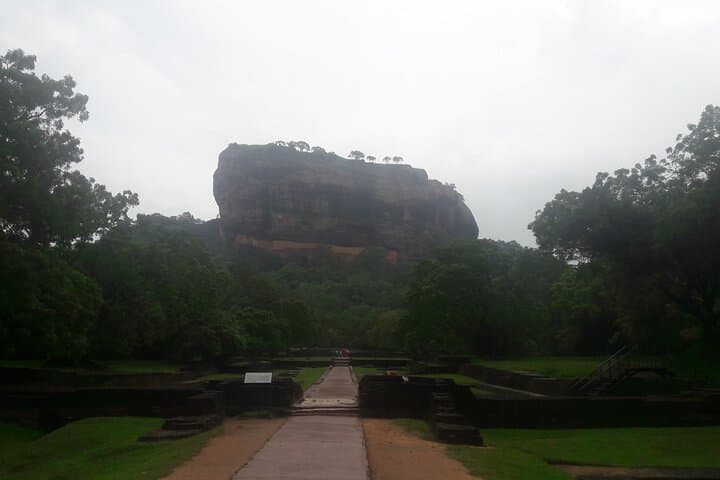
You arrive in the low morning light, Colombo shrinking behind the highway and the air taking on the vegetal sweetness of Sri Lanka’s interior. The road opens into a stitched patchwork of rice paddies and bright-green chena fields; palms lean like old travelers along the route. By midday the silhouette of Sigiriya rises ahead — a raw vertical presence of red-brown rock that demands to be climbed.
You arrive in the low morning light, Colombo shrinking behind the highway and the air taking on the vegetal sweetness of Sri Lanka’s interior. The road opens into a stitched patchwork of rice paddies and bright-green chena fields; palms lean like old travelers along the route. By midday the silhouette of Sigiriya rises ahead — a raw vertical presence of red-brown rock that demands to be climbed.
Over three days this private circuit threads four UNESCO sites: the fortified rock of Sigiriya, the painted caves of Dambulla, the ruined grandeur of Polonnaruwa and Kandy’s spired temple complex. Sigiriya’s plateau—roughly 200 meters of volcanic rock thrusting from the plain—was an ambitious urban project in the 5th century CE. Its mirrorlike fresco panels and hydraulic gardens reveal a planning mind that thought in terraces, pools and axial sightlines; the climb is a conversation with engineering and artistry that still feels modern.
Dambulla’s cave temple complex houses more than a hundred Buddha images carved into cavernous rock, pigments still clinging to painted ceilings. The caves sit on a ridge that was a natural refuge and later a devotional stage, its limestone bones carved to hold devotion and kingship.
Polonnaruwa, once the island’s medieval capital, allows slower movement—cyclists often take advantage of flat lanes to thread between stupas, bathing ponds and the Royal Palace’s stone remains. Granite and laterite here are patient materials, eroded into weathered lion paws and balustrades that keep a dry, reverent silence.
Kandy closes the loop with the Temple of the Tooth, where a gilded inner chamber safeguards what Buddhists revere as the relic. The city’s botanical gardens, five kilometers west, are practical and tropical: spice trees, expansive orchid houses and medicinal plant displays that underline Sri Lanka’s living relationship with Ayurveda and colonial-era plant exchanges.
Practical guidance: the tour travels by air-conditioned vehicle with hotel pickup in Colombo and runs at a moderate pace—expect 4–6 hours of walking on two of the days, and a steep, metal-and-stone climb at Sigiriya that takes 45–90 minutes round-trip depending on stops. Wear grippy shoes for stone steps, bring a refillable water bottle, sunscreen and light rain protection—the weather shifts quickly. Entrance tickets are required at each site; your driver will handle logistics, but carry small denominations of rupees for tips, snacks, and shrine donations.
Cultural note: dress respectfully at temples—covered shoulders and knees—and remove shoes before entering sacred spaces. The route is wheelchair-friendly in vehicle transport, but access is limited at the caves and the Sigiriya summit.
This three-day loop is a concentrated primer on Sri Lanka’s Cultural Triangle: a mix of climbing, quiet archaeological walking and close encounters with devotional architecture and botanic knowledge. It’s paced for discovery, not rush, and gives travelers a compact history lesson set against a landscape that still feels alive and unafraid to demand attention.