THE ADVENTURE COLLECTIVE® · Independent discovery and booking for outdoor travel

Three days through Sri Lanka’s Cultural Triangle condense millennia into mornings: stupas in Anuradhapura, rock-cut Buddhas in Dambulla, the climbable column of Sigiriya and a Minneriya safari for wild elephants. This private tour pairs guided history with practical logistics for travelers who want depth and mobility.
Three days through Sri Lanka’s Cultural Triangle condense millennia into mornings: stupas in Anuradhapura, rock-cut Buddhas in Dambulla, the climbable column of Sigiriya and a Minneriya safari for wild elephants. This private tour pairs guided history with practical logistics for travelers who want depth and mobility.
You step from an air-conditioned vehicle onto a sun-baked plaza, the smell of incense drifting from a nearby temple while a colossal granite column—Sigiriya—casts a long, impatient shadow across the scrub.
Verified experiences and guided adventures in the surrounding area.
Operated by Classical Lanka Tours · Sigiriya, Central Province
You step from an air-conditioned vehicle onto a sun-baked plaza, the smell of incense drifting from a nearby temple while a colossal granite column—Sigiriya—casts a long, impatient shadow across the scrub.
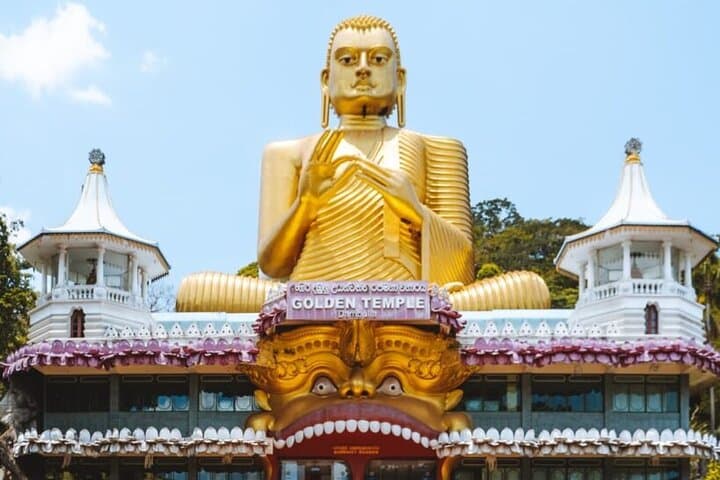
Over three compact days this private tour moves like a focused story: Anuradhapura’s ancient stupas and irrigation works, the carved Buddhas in Dambulla’s cave-temples, the 12th-century rock sculptures of Polonnaruwa and the crowning climb of Sigiriya’s rock fortress. Geologically, Sigiriya is a hard volcanic plug that refuses to erode, its sheer sides forcing builders and visitors to negotiate iron stairways and painted galleries.
Culturally the route traces Sri Lanka’s Buddhist heart—temples house relics, kings left grand reservoirs like Parakrama Samudra, and the Temple of the Tooth in Kandy still anchors national ceremony. Minneriya National Park interrupts the human story with wildness: during dry months elephant herds collect on the plains as if drawn by a single invitation.
Practically: expect multiple short hikes and stair climbs—Sigiriya can take 60–120 minutes roundtrip; Mihintale’s viewpoint is a steep, wind-exposed ascent. Temperatures run hot and humid; mornings and late afternoons offer the best light and wildlife viewing. Dress respectfully at religious sites (shoulders and knees covered), bring 2–3 liters of water, sturdy closed-toe shoes for rock and temple steps, sunscreen and a light rain layer. Private transport and most entrance fees are included with typical 3–4 star hotel nights; a local guide will streamline permits and skip lines where possible.
This trio of sites pairs archaeological depth with a working landscape—ruins, reservoirs, and elephants—that keeps the focus on movement, history and the practical joy of exploration.
moderate.
3 days.
Moderate fitness: comfortable walking, stair climbs and short hikes; able to handle humidity and brief steep sections.
Most standard packages include entrance fees to listed sites and 3/4-star hotel accommodations as described—confirm specifics with the operator before booking.
While vehicles and some surfaces are accessible, key sites like Sigiriya and many temple interiors require stairs and uneven paths; full accessibility is limited.
The dry season months—roughly June to September—often concentrate elephants in Minneriya, increasing sighting odds during safaris.
Most nationalities require an Electronic Travel Authorization (ETA) before arrival—check current Sri Lanka immigration guidance and arrange it in advance.
The Cultural Triangle preserves capitals of early Sinhalese kingdoms—Anuradhapura and Polonnaruwa were major hydraulic and political centers from the 3rd century BCE onward.
Visitor pressure is managed at major sites via controlled access and fees that support conservation; when on safari keep distance from wildlife and avoid feeding animals.
Classical Lanka Tours operates guided outdoor trips and adventures with an emphasis on safety, stewardship, and memorable experiences.


You step from an air-conditioned vehicle onto a sun-baked plaza, the smell of incense drifting from a nearby temple while a colossal granite column—Sigiriya—casts a long, impatient shadow across the scrub.
You step from an air-conditioned vehicle onto a sun-baked plaza, the smell of incense drifting from a nearby temple while a colossal granite column—Sigiriya—casts a long, impatient shadow across the scrub.
Over three compact days this private tour moves like a focused story: Anuradhapura’s ancient stupas and irrigation works, the carved Buddhas in Dambulla’s cave-temples, the 12th-century rock sculptures of Polonnaruwa and the crowning climb of Sigiriya’s rock fortress. Geologically, Sigiriya is a hard volcanic plug that refuses to erode, its sheer sides forcing builders and visitors to negotiate iron stairways and painted galleries.
Culturally the route traces Sri Lanka’s Buddhist heart—temples house relics, kings left grand reservoirs like Parakrama Samudra, and the Temple of the Tooth in Kandy still anchors national ceremony. Minneriya National Park interrupts the human story with wildness: during dry months elephant herds collect on the plains as if drawn by a single invitation.
Practically: expect multiple short hikes and stair climbs—Sigiriya can take 60–120 minutes roundtrip; Mihintale’s viewpoint is a steep, wind-exposed ascent. Temperatures run hot and humid; mornings and late afternoons offer the best light and wildlife viewing. Dress respectfully at religious sites (shoulders and knees covered), bring 2–3 liters of water, sturdy closed-toe shoes for rock and temple steps, sunscreen and a light rain layer. Private transport and most entrance fees are included with typical 3–4 star hotel nights; a local guide will streamline permits and skip lines where possible.
This trio of sites pairs archaeological depth with a working landscape—ruins, reservoirs, and elephants—that keeps the focus on movement, history and the practical joy of exploration.