THE ADVENTURE COLLECTIVE® · Independent discovery and booking for outdoor travel

Three days of rail and coach travel link Cork’s historic port towns with the wild headlands of Kerry and Dingle. Expect castles, cathedral history, rugged coastal roads and manageable walks—an efficient way to see Ireland’s southwest landscapes.
Three days of rail and coach travel link Cork’s historic port towns with the wild headlands of Kerry and Dingle. Expect castles, cathedral history, rugged coastal roads and manageable walks—an efficient way to see Ireland’s southwest landscapes.
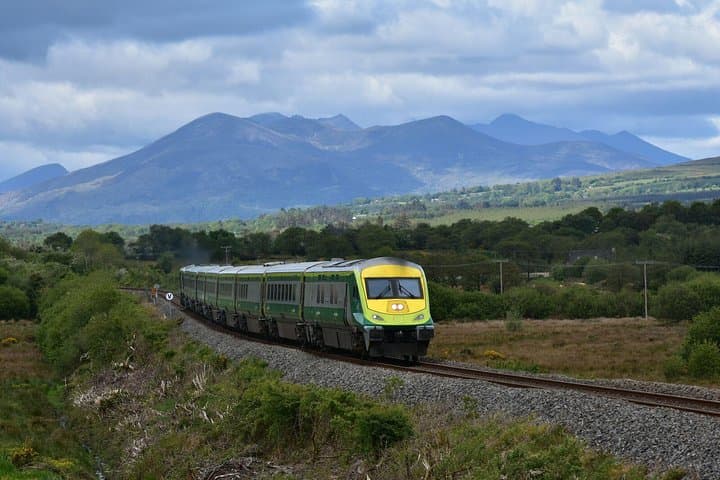
You step off the train into a cool Cork morning and the tour settles into a steady rhythm: rail clack, coach hum, and the Atlantic scud that seems to tug at the edge of every vista.
Verified experiences and guided adventures in the surrounding area.
Operated by Railtours Ireland First Class · Killarney, County Kerry
You step off the train into a cool Cork morning and the tour settles into a steady rhythm: rail clack, coach hum, and the Atlantic scud that seems to tug at the edge of every vista.
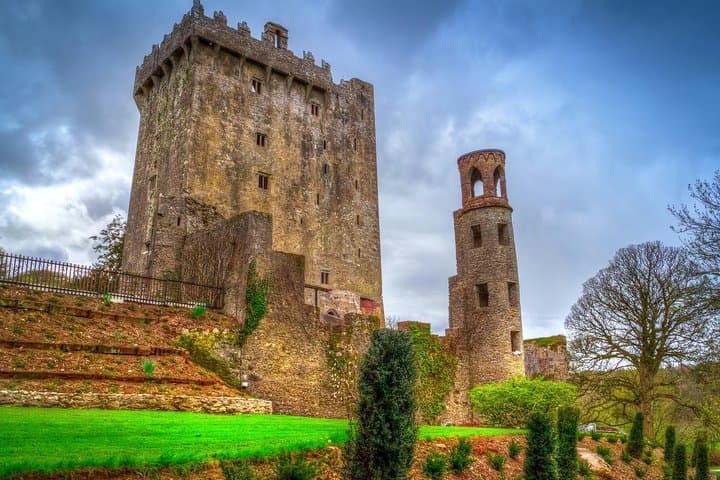
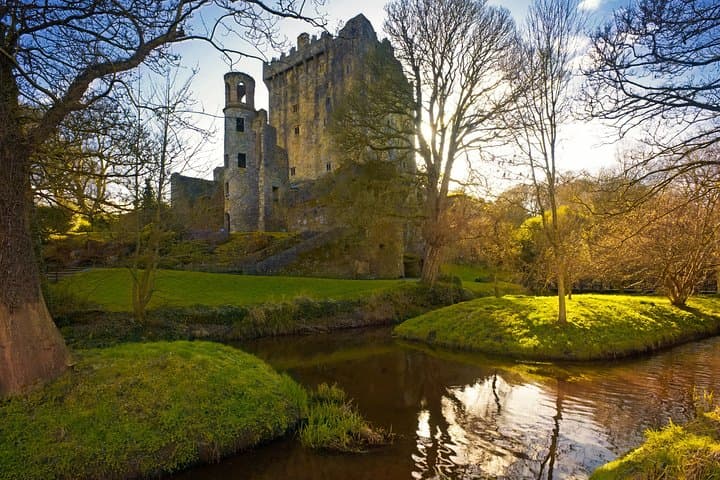
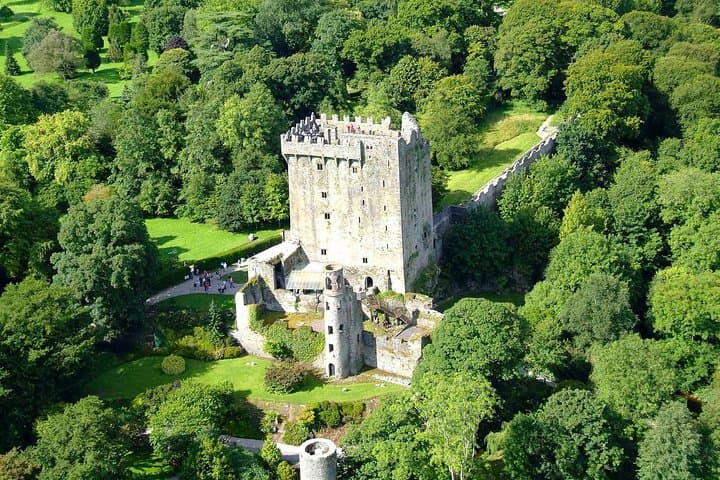
Day one brings Blarney Castle’s stonework and gardens—six centuries of stone that have watched emigration, commerce and local life unfold. Cóbh’s cathedral and Queenstown Story ground the tour in the human history of departure and return: ports, passenger lists and wartime losses that shaped modern Ireland.
Geologically, Kerry’s landscape is a pageant of folded Old Red Sandstone and glacial troughs. The Ring of Kerry threads the lower flanks of the MacGillycuddy Reeks, passing lakes carved by ice and headlands pelted by Atlantic weather. On the Dingle Peninsula the coast takes charge: cliffs, offshore islands and stony bays where seabirds wheel and the wind dares you to look farther.
Culture is tangible—Gaeltacht villages where Irish is still spoken, pubs that keep storytelling and music alive, and small museums recalling lives shaped by sea and soil.
Practical guidance: expect a mix of comfortable coach travel and short guided walks; bring a waterproof layer and sturdy shoes for uneven village paths and coastal stiles. Plan lunch stops—Blarney village is the day-one meal window—and keep a small daypack for cameras, water and a guidebook.
Timings are fixed and the itinerary is shared across rail and coach, so punctuality matters. This tour balances scenic immersion with sensible logistics—ideal for travelers who want Ireland’s big coastal moments without roughing it.
easy.
3 days.
Suitable for travelers in average fitness—mostly seated rail/coach travel with short guided walks and stairs onto coaches.
Yes—coaches typically carry luggage between train and B&B; pack a small overnight bag and keep valuables in your daypack.
Blarney Castle admission and the Cóbh Heritage Centre entry are included as stated; check your booking confirmation for specifics.
Trains are wheelchair-friendly but coaches are not; guests must be able to board coach steps and manage short walks—mobility scooters cannot be accommodated.
The itinerary includes stops for photos, shopping and short explorations; evenings in Killarney are unscheduled for independent exploration.
Cork and Cóbh were pivotal emigration and transatlantic ports; Cóbh (Queenstown) was the last visible land for many 19th–20th century emigrants and a stop for ships like the Lusitania and Titanic-related services.
Coastal habitats and peatlands are sensitive—stay on marked paths, pack out waste and respect signage in protected areas and Gaeltacht communities.
Railtours Ireland First Class operates guided outdoor trips and adventures with an emphasis on safety, stewardship, and memorable experiences.
You step off the train into a cool Cork morning and the tour settles into a steady rhythm: rail clack, coach hum, and the Atlantic scud that seems to tug at the edge of every vista.
You step off the train into a cool Cork morning and the tour settles into a steady rhythm: rail clack, coach hum, and the Atlantic scud that seems to tug at the edge of every vista.
Day one brings Blarney Castle’s stonework and gardens—six centuries of stone that have watched emigration, commerce and local life unfold. Cóbh’s cathedral and Queenstown Story ground the tour in the human history of departure and return: ports, passenger lists and wartime losses that shaped modern Ireland.
Geologically, Kerry’s landscape is a pageant of folded Old Red Sandstone and glacial troughs. The Ring of Kerry threads the lower flanks of the MacGillycuddy Reeks, passing lakes carved by ice and headlands pelted by Atlantic weather. On the Dingle Peninsula the coast takes charge: cliffs, offshore islands and stony bays where seabirds wheel and the wind dares you to look farther.
Culture is tangible—Gaeltacht villages where Irish is still spoken, pubs that keep storytelling and music alive, and small museums recalling lives shaped by sea and soil.
Practical guidance: expect a mix of comfortable coach travel and short guided walks; bring a waterproof layer and sturdy shoes for uneven village paths and coastal stiles. Plan lunch stops—Blarney village is the day-one meal window—and keep a small daypack for cameras, water and a guidebook.
Timings are fixed and the itinerary is shared across rail and coach, so punctuality matters. This tour balances scenic immersion with sensible logistics—ideal for travelers who want Ireland’s big coastal moments without roughing it.