THE ADVENTURE COLLECTIVE® · Independent discovery and booking for outdoor travel

Watch condors wheel over one of the world’s deepest canyons on a three‑day trek from Arequipa to Puno. This itinerary combines steep day hikes, an oasis stay, Andean culture and a final high‑pass transfer to Puno.
Watch condors wheel over one of the world’s deepest canyons on a three‑day trek from Arequipa to Puno. This itinerary combines steep day hikes, an oasis stay, Andean culture and a final high‑pass transfer to Puno.
At first light the overlook at Condor’s Cross feels like the sky has opened a room just for you — condors wheel on thermal fingers and the canyon walls drop in layered shadow below. The group meets before dawn in Arequipa, the road climbs into volcanic highlands, then the real descent begins: a steep 3–4 hour drop from roughly 3,300 m down toward river terraces and tropical vegetation at 2,100 m.
Verified experiences and guided adventures in the surrounding area.
Operated by Trek The Colca · Arequipa, Arequipa
At first light the overlook at Condor’s Cross feels like the sky has opened a room just for you — condors wheel on thermal fingers and the canyon walls drop in layered shadow below. The group meets before dawn in Arequipa, the road climbs into volcanic highlands, then the real descent begins: a steep 3–4 hour drop from roughly 3,300 m down toward river terraces and tropical vegetation at 2,100 m.
Colca Canyon is carved by tectonics and the Colca River, one of the deepest canyons in the world, its walls etched with pre‑Inca terraces and old irrigation works. Small whitewashed villages like Cabanaconde and San Juan de Chuccho keep traditional alpaca and vicuña herding alive; local beekeepers near Cosñirhua still practice honey techniques passed down generations. Geology here reads like an open book — stratified lava flows, red alluvial fans and high Andean plains where pampas give way to cactus slopes.
Practically: expect steep switchbacks, loose scree on descents, and hot, humid pockets in the canyon bottom. Day 1: downhill ~3½ hours to San Juan de Chuccho (2,100 m). Day 2: further descent to Sangalle Oasis (~1,900 m) with a short river-side stay. Day 3: a strenuous pre-dawn climb (~3 hours) back to Cabanaconde, then transport across high passes (up to ~4,830 m) en route to Puno. Bring layered clothing for wide temperature swings, sunscreen and plenty of water; altitude acclimatization is essential. Lodges at the oasis are basic but comfortable, and a soak in Chivay’s hot springs is a restorative optional stop on the final day.
challenging.
3 days (approx. 72 hours door‑to‑door).
Good cardiovascular fitness and experience with sustained uphill/downhill hiking at altitude; able to carry a daypack
Daily sections include steep downhill stretches and a demanding pre‑dawn ascent (about 3 hours); expect 3–4 hours walking on hike days with uneven terrain.
Yes — the itinerary reaches high passes (up to ~4,830 m by vehicle). Acclimatize in Arequipa and monitor symptoms of altitude sickness.
Breakfast, lunch and dinner are listed as included during the trek and basic lodge accommodation is provided in San Juan de Chuccho and Sangalle; hot springs entrance is extra.
On day 3 the tour provides a bus transfer from Chivay to Puno with stops at viewpoints and reserves; you are dropped in central Puno.
The canyon was shaped by volcanic activity and the Colca River; pre‑Inca terraces in the valley show centuries of highland agriculture practiced by local communities.
Stick to established trails and avoid feeding wildlife; local communities rely on sustainable grazing and tourism income, so support local guides and services.
Trek The Colca operates guided outdoor trips and adventures with an emphasis on safety, stewardship, and memorable experiences.
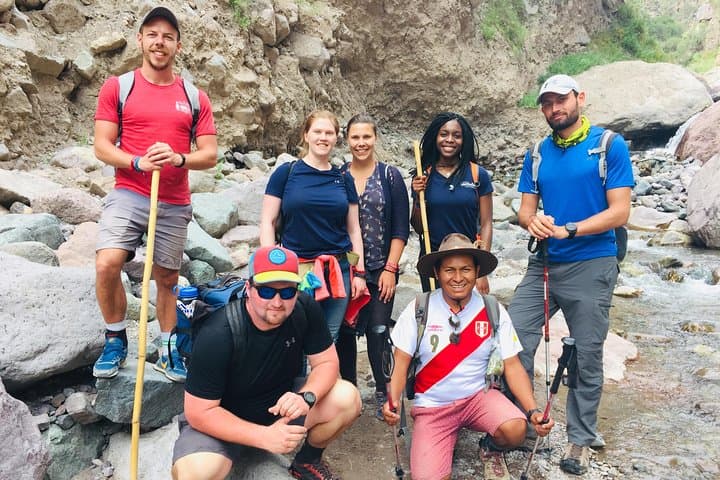
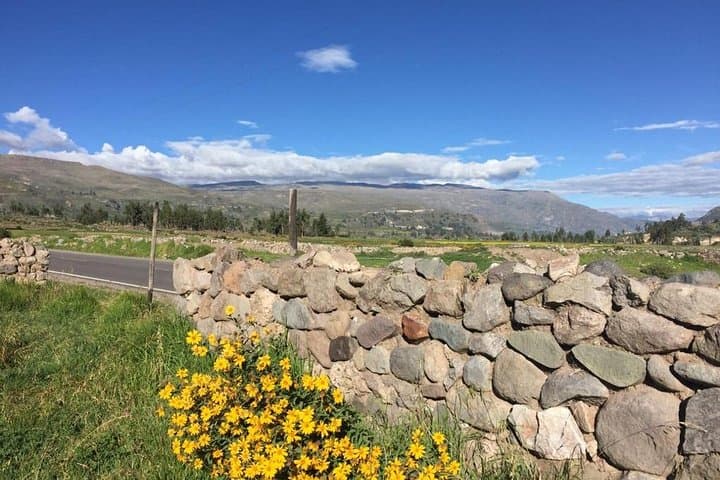
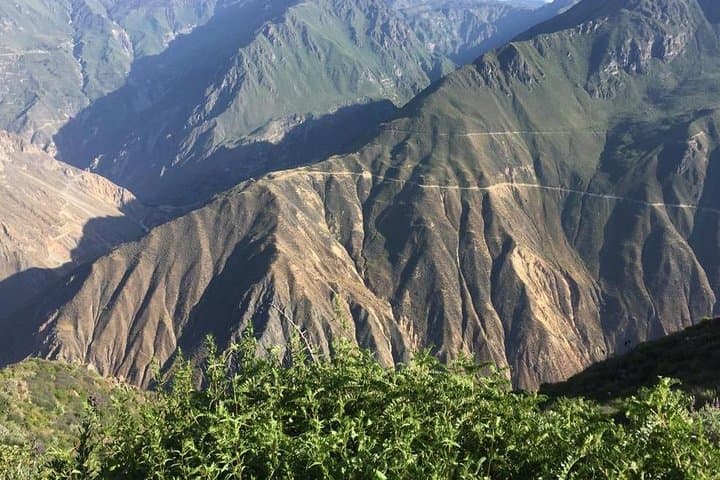
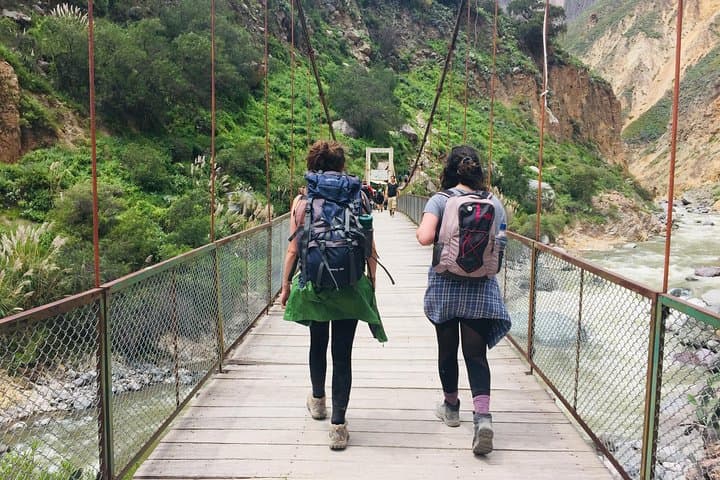
At first light the overlook at Condor’s Cross feels like the sky has opened a room just for you — condors wheel on thermal fingers and the canyon walls drop in layered shadow below. The group meets before dawn in Arequipa, the road climbs into volcanic highlands, then the real descent begins: a steep 3–4 hour drop from roughly 3,300 m down toward river terraces and tropical vegetation at 2,100 m.
At first light the overlook at Condor’s Cross feels like the sky has opened a room just for you — condors wheel on thermal fingers and the canyon walls drop in layered shadow below. The group meets before dawn in Arequipa, the road climbs into volcanic highlands, then the real descent begins: a steep 3–4 hour drop from roughly 3,300 m down toward river terraces and tropical vegetation at 2,100 m.
Colca Canyon is carved by tectonics and the Colca River, one of the deepest canyons in the world, its walls etched with pre‑Inca terraces and old irrigation works. Small whitewashed villages like Cabanaconde and San Juan de Chuccho keep traditional alpaca and vicuña herding alive; local beekeepers near Cosñirhua still practice honey techniques passed down generations. Geology here reads like an open book — stratified lava flows, red alluvial fans and high Andean plains where pampas give way to cactus slopes.
Practically: expect steep switchbacks, loose scree on descents, and hot, humid pockets in the canyon bottom. Day 1: downhill ~3½ hours to San Juan de Chuccho (2,100 m). Day 2: further descent to Sangalle Oasis (~1,900 m) with a short river-side stay. Day 3: a strenuous pre-dawn climb (~3 hours) back to Cabanaconde, then transport across high passes (up to ~4,830 m) en route to Puno. Bring layered clothing for wide temperature swings, sunscreen and plenty of water; altitude acclimatization is essential. Lodges at the oasis are basic but comfortable, and a soak in Chivay’s hot springs is a restorative optional stop on the final day.