THE ADVENTURE COLLECTIVE® · Independent discovery and booking for outdoor travel

This three‑day trek from Arequipa drops into Colca Canyon to walk Andean terraces, swim in Sangalle’s oasis pools and watch condors wheel at Cruz del Condor. Expect steep descents and a demanding ascent — plus local homestays and thermal springs.
This three‑day trek from Arequipa drops into Colca Canyon to walk Andean terraces, swim in Sangalle’s oasis pools and watch condors wheel at Cruz del Condor. Expect steep descents and a demanding ascent — plus local homestays and thermal springs.
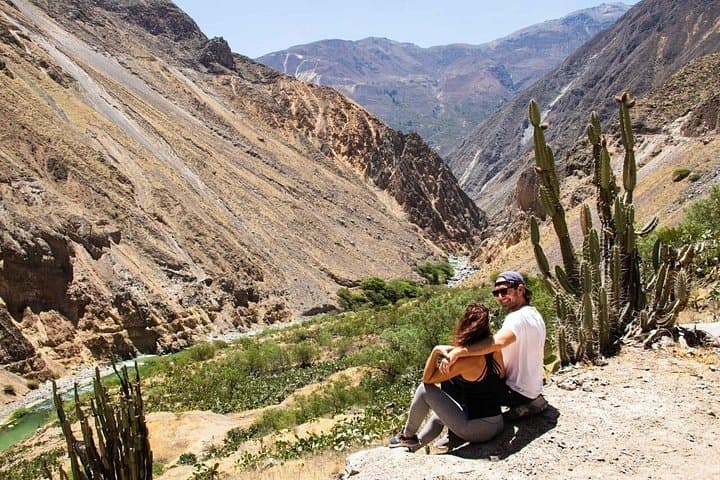
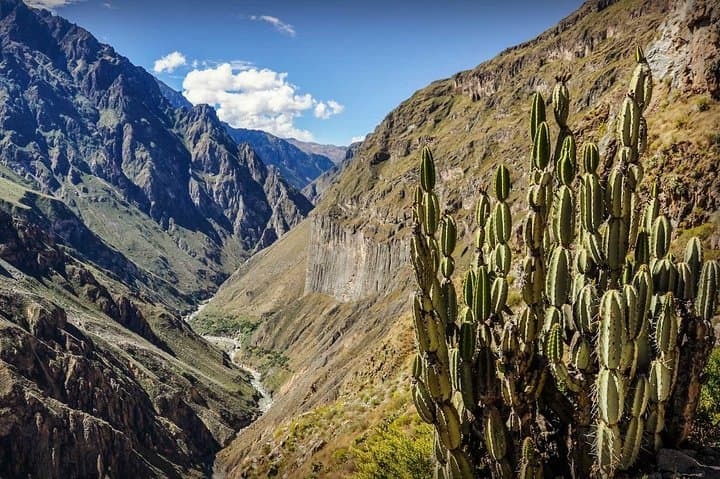
Dawn rides the bus out of Arequipa and the Andes open like a map beneath you: ochre terraces, volcanic ridgelines and a road that threads down toward the canyon. By mid‑morning you step off in Cabanaconde and begin the descent — a long, deliberate drop through high‑altitude scrub into a steeper world where Andean vegetation gives way to palms around a narrow river. The canyon’s rock faces feel active, as if they push the wind into thermals that lift the condors.
Verified experiences and guided adventures in the surrounding area.
Operated by PVTravels · Cabanaconde, Arequipa
Dawn rides the bus out of Arequipa and the Andes open like a map beneath you: ochre terraces, volcanic ridgelines and a road that threads down toward the canyon. By mid‑morning you step off in Cabanaconde and begin the descent — a long, deliberate drop through high‑altitude scrub into a steeper world where Andean vegetation gives way to palms around a narrow river. The canyon’s rock faces feel active, as if they push the wind into thermals that lift the condors.
This is Collagua and Cabana country: pre‑Inca terraces sculpted into the slopes to capture run‑off and grow quinoa and potatoes. Geologically the Colca is a wide double‑fault canyon carved by river incision and uplift of the Andes; culturally it’s still shaped by communities with houses clustered around springs and footpaths that predate roads.
Across three days you descend to the settlement of San Juan de Chuccho, reach the warm pools at the Sangalle oasis, and return with a strenuous zigzag ascent to Cabanaconde before cruising to the Cruz del Condor viewpoint. Expect dramatic layer changes — arid plateaus, irrigated terraces, palm oases — and early mornings built around condor sightings.
Practical guidance: acclimatize in Arequipa for 24–48 hours, carry 2–3 liters of water, and use ankle‑supporting boots for steep, rocky trails. Start the final ascent well before dawn to avoid heat and crowding; pack sun protection and a warm midlayer for cold mornings. Respect village homes where you stay: leave no trace, and tip guides and household hosts for local meals and lodging.
challenging.
3 days.
Good cardiovascular fitness and leg strength; comfortable with sustained uphill and downhill hiking at altitude.
The final ascent is steep with sustained switchbacks and takes about 3 hours for fit hikers; expect it to feel harder due to altitude and loose footing.
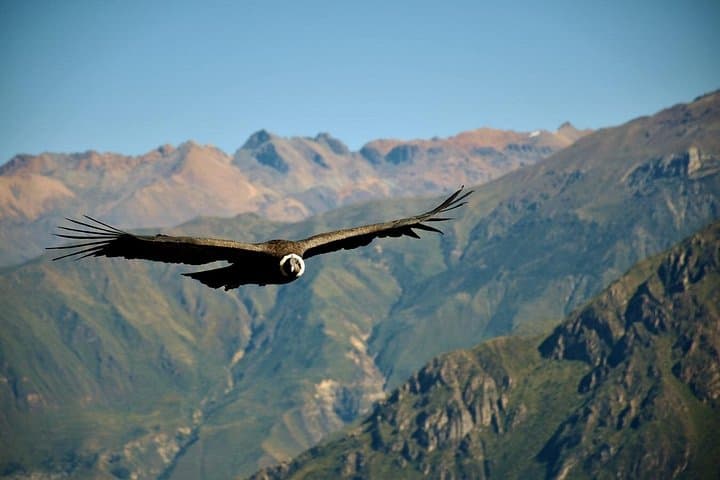
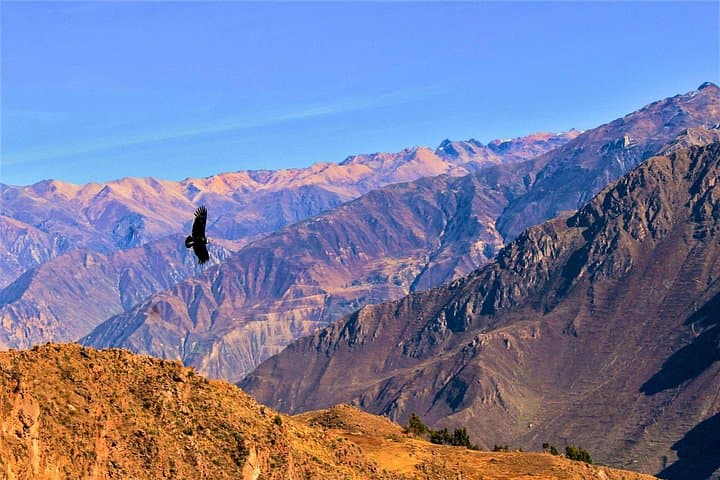
Condors are regularly seen from the Cruz del Condor viewpoint at sunrise, but sightings depend on weather and thermals — early starts improve your chances.
You’ll spend one night in a family home in San Juan de Chuccho (basic local accommodation) and one night in bungalows near Sangalle oasis; expect simple, clean lodging and shared facilities.
This tour is not recommended for travelers with serious spinal, heart or pregnancy conditions due to steep terrain and altitude; consult your doctor before booking.
The valley contains agricultural terraces and irrigation systems attributed to Collagua and Cabana peoples dating to pre‑Inca times, still cultivated by local communities.
Water in the oasis and local springs is limited; stick to marked paths, minimize plastic, and support local homestays to ensure tourism benefits communities.
PVTravels operates guided outdoor trips and adventures with an emphasis on safety, stewardship, and memorable experiences.
Dawn rides the bus out of Arequipa and the Andes open like a map beneath you: ochre terraces, volcanic ridgelines and a road that threads down toward the canyon. By mid‑morning you step off in Cabanaconde and begin the descent — a long, deliberate drop through high‑altitude scrub into a steeper world where Andean vegetation gives way to palms around a narrow river. The canyon’s rock faces feel active, as if they push the wind into thermals that lift the condors.
Dawn rides the bus out of Arequipa and the Andes open like a map beneath you: ochre terraces, volcanic ridgelines and a road that threads down toward the canyon. By mid‑morning you step off in Cabanaconde and begin the descent — a long, deliberate drop through high‑altitude scrub into a steeper world where Andean vegetation gives way to palms around a narrow river. The canyon’s rock faces feel active, as if they push the wind into thermals that lift the condors.
This is Collagua and Cabana country: pre‑Inca terraces sculpted into the slopes to capture run‑off and grow quinoa and potatoes. Geologically the Colca is a wide double‑fault canyon carved by river incision and uplift of the Andes; culturally it’s still shaped by communities with houses clustered around springs and footpaths that predate roads.
Across three days you descend to the settlement of San Juan de Chuccho, reach the warm pools at the Sangalle oasis, and return with a strenuous zigzag ascent to Cabanaconde before cruising to the Cruz del Condor viewpoint. Expect dramatic layer changes — arid plateaus, irrigated terraces, palm oases — and early mornings built around condor sightings.
Practical guidance: acclimatize in Arequipa for 24–48 hours, carry 2–3 liters of water, and use ankle‑supporting boots for steep, rocky trails. Start the final ascent well before dawn to avoid heat and crowding; pack sun protection and a warm midlayer for cold mornings. Respect village homes where you stay: leave no trace, and tip guides and household hosts for local meals and lodging.