THE ADVENTURE COLLECTIVE® · Independent discovery and booking for outdoor travel

A three-day guided trek into Colca Canyon that pairs dramatic canyon scenery and condor sightings with village visits and an oasis dip. Ideal for hikers who want cultural contact and varied terrain with guided logistics included.
A three-day guided trek into Colca Canyon that pairs dramatic canyon scenery and condor sightings with village visits and an oasis dip. Ideal for hikers who want cultural contact and varied terrain with guided logistics included.
You start before dawn on a wind-brittle ridge above the Colca Valley, the air thin and cold, and the canyon below yawning with terraces and river scars. Condors wheel on thermal lifts, their shadows skimming switchbacks as the group descends along old Inca and pre-Inca trails toward whitewashed villages and agricultural terraces that still feed local families.
Verified experiences and guided adventures in the surrounding area.
Operated by Peru Baby Lama Adventures · Arequipa, Arequipa Region
You start before dawn on a wind-brittle ridge above the Colca Valley, the air thin and cold, and the canyon below yawning with terraces and river scars. Condors wheel on thermal lifts, their shadows skimming switchbacks as the group descends along old Inca and pre-Inca trails toward whitewashed villages and agricultural terraces that still feed local families.
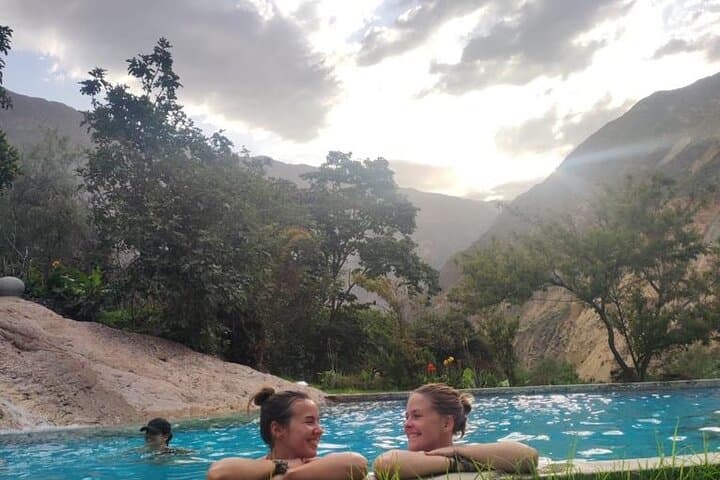
Geology here is blunt: layers of volcanic rock carved by the Colca River over millennia, producing one of the world’s deepest canyon systems. The cultural thread is closer at hand — small hamlets such as Tapay and Yanque preserve highland farming practices, traditional textiles and daily markets that anchor the landscape. At Sangalle, water becomes a character: an oasis, natural pools and palms that dare you to drop packs and cool off after a steep approach.
Practically, the three-day route balances descent and re-ascent: expect long downhill hours on day one, an afternoon at the oasis on day two, then a steep morning climb on day three before a soak in thermal baths near Yanque. Altitude matters — the trek moves between roughly 3,200–1,800 meters elevation, so acclimatize in Arequipa and pace yourself.
Footwear with solid ankle support, layered clothing for cold mornings and sun strong enough to burn are musts. Guides handle logistics and meals (three breakfasts, two lunches, two dinners typically included), and accommodation ranges from basic family houses to simple bungalows. The route is rewarding for hikers who want wildlife (notably Andean condors), working landscapes and a taste of Andes hospitality without technical climbing.
moderate.
72 hours (3 days).
Moderate fitness required: comfortable with sustained downhill and steep uphill hiking at altitude; ability to walk 4–6 hours per day.
The trek spans roughly 1,800–3,200 meters; many travelers feel mild effects. Acclimatize in Arequipa, hydrate, eat lightly and tell your guide if symptoms worsen.
Nights vary from simple family houses in villages to basic bungalow-style lodging at Sangalle; expect modest facilities and comfortable local hospitality.
Yes — Sangalle’s natural pools are for swimming and relaxing; bring a towel and quick-dry clothing, and follow guide advice about water safety.
This tour is not recommended for pregnant travelers or those with serious spinal/heart issues; for children, check fitness and experience with altitude and multi-day hikes with the operator.
Colca Valley contains terraces and routes used since pre-Inca and Inca times; many communities maintain ancestral farming methods and festivals tied to the agricultural calendar.
Tourism supports local economies but also pressures fragile highland ecosystems; stick to trails, carry out waste and favor locally run lodgings and guides.
Peru Baby Lama Adventures operates guided outdoor trips and adventures with an emphasis on safety, stewardship, and memorable experiences.
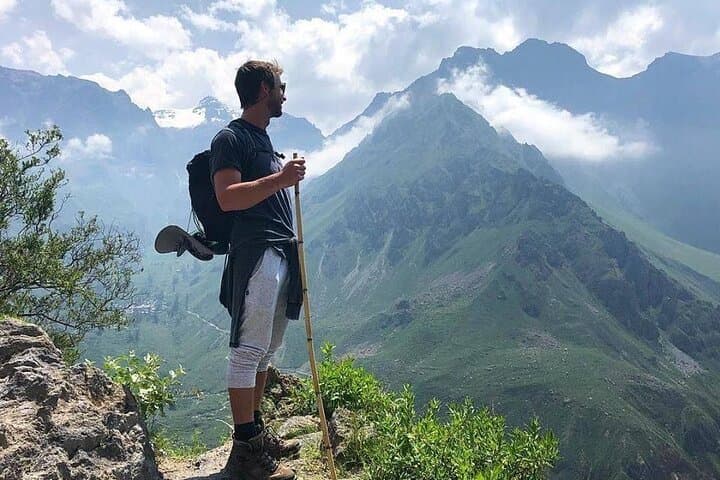
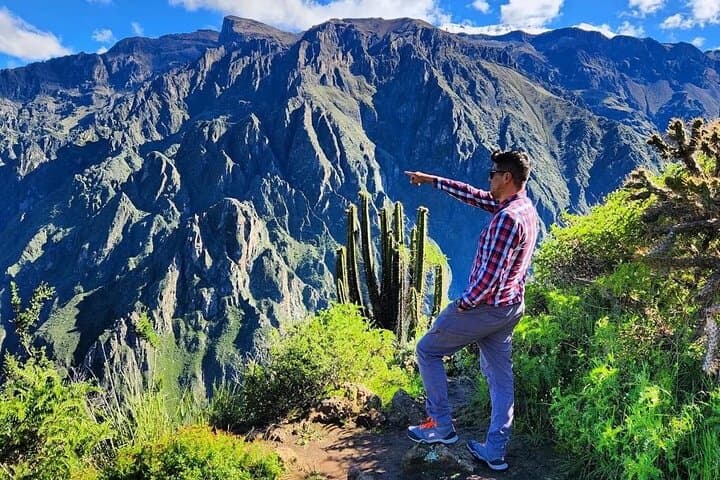
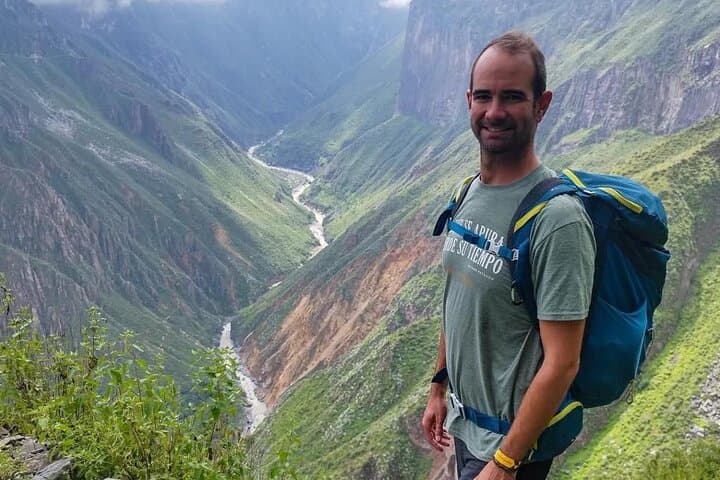
You start before dawn on a wind-brittle ridge above the Colca Valley, the air thin and cold, and the canyon below yawning with terraces and river scars. Condors wheel on thermal lifts, their shadows skimming switchbacks as the group descends along old Inca and pre-Inca trails toward whitewashed villages and agricultural terraces that still feed local families.
You start before dawn on a wind-brittle ridge above the Colca Valley, the air thin and cold, and the canyon below yawning with terraces and river scars. Condors wheel on thermal lifts, their shadows skimming switchbacks as the group descends along old Inca and pre-Inca trails toward whitewashed villages and agricultural terraces that still feed local families.
Geology here is blunt: layers of volcanic rock carved by the Colca River over millennia, producing one of the world’s deepest canyon systems. The cultural thread is closer at hand — small hamlets such as Tapay and Yanque preserve highland farming practices, traditional textiles and daily markets that anchor the landscape. At Sangalle, water becomes a character: an oasis, natural pools and palms that dare you to drop packs and cool off after a steep approach.
Practically, the three-day route balances descent and re-ascent: expect long downhill hours on day one, an afternoon at the oasis on day two, then a steep morning climb on day three before a soak in thermal baths near Yanque. Altitude matters — the trek moves between roughly 3,200–1,800 meters elevation, so acclimatize in Arequipa and pace yourself.
Footwear with solid ankle support, layered clothing for cold mornings and sun strong enough to burn are musts. Guides handle logistics and meals (three breakfasts, two lunches, two dinners typically included), and accommodation ranges from basic family houses to simple bungalows. The route is rewarding for hikers who want wildlife (notably Andean condors), working landscapes and a taste of Andes hospitality without technical climbing.