THE ADVENTURE COLLECTIVE® · Independent discovery and booking for outdoor travel

Trace coffee’s journey from cherry to chocolate at Kiambethu, then wander the sweeping tea terraces of Kericho. This three-day farm safari pairs hands-on production demos with tasting sessions and guided factory tours.
Trace coffee’s journey from cherry to chocolate at Kiambethu, then wander the sweeping tea terraces of Kericho. This three-day farm safari pairs hands-on production demos with tasting sessions and guided factory tours.
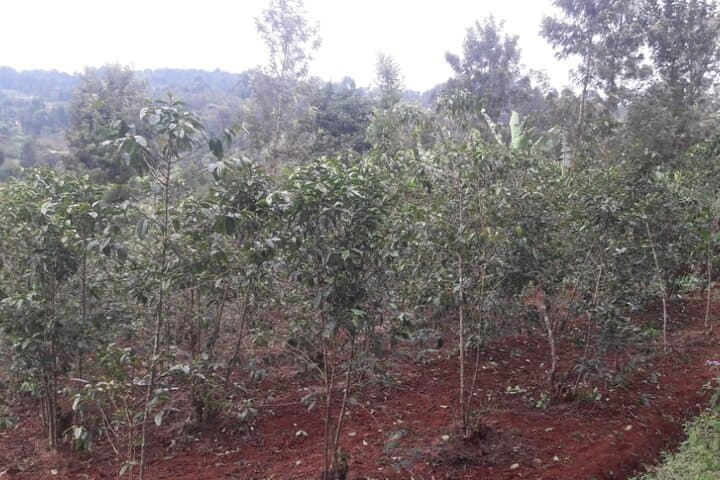
The first light over the Kenyan highlands strips frost from tender leaves as you step into rows of coffee bushes at Kiambethu. Morning mist clings to stems while guides point out ripe cherries, and the scent of fresh-cut foliage mixes with the metallic tang of processing drums. Walks between shaded alleys lead to a small processing yard where beans are washed, hulled and roasted; later you’ll learn to shape chocolate-infused coffee treats with a hands-on demo.
Verified experiences and guided adventures in the surrounding area.
Operated by PONGEZI AFRICA SAFARIS · Kericho, Kericho County
The first light over the Kenyan highlands strips frost from tender leaves as you step into rows of coffee bushes at Kiambethu. Morning mist clings to stems while guides point out ripe cherries, and the scent of fresh-cut foliage mixes with the metallic tang of processing drums. Walks between shaded alleys lead to a small processing yard where beans are washed, hulled and roasted; later you’ll learn to shape chocolate-infused coffee treats with a hands-on demo.
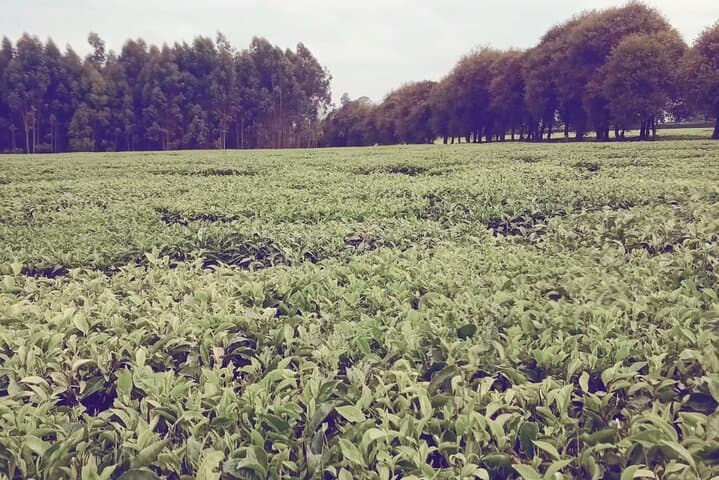
This itinerary threads two agricultural worlds: Kiambethu’s smallholder coffee culture in Limuru—part of Kenya’s central highlands shaped by volcanic soils—and the rolling tea terraces around Kericho carved into the Rift Valley’s western escarpment. Tea estates here grew alongside colonial-era processing plants; today their factories still steam, offering a direct window into withering, rolling and oxidation stages that define Kenyan black tea.
Beyond production, the trip touches local routines—farm labor rhythms, roadside market stalls and the simple geometry of planted rows that map microclimates. Expect comfortable three-star accommodation at a tea hotel in Kericho and guided factory visits with tasting sessions.
Practical guidance: bring layered clothing for cool mornings and warm afternoons, sturdy walking shoes for farm tracks, sunscreen and a refillable bottle. Days are moderate in activity but require mobility across uneven ground; most transfers are by road between Nairobi, Limuru and Kericho. Carry small cash for markets and be ready to follow biosecurity rules at processing facilities (no outside food, wash hands). With basic fitness and curiosity, this three-day farm safari offers tactile, taste-driven insight into two of Kenya’s signature crops.
moderate.
3 days.
Moderate—able to walk 3–5 km over uneven farm tracks and tolerate several short standing tours at processing sites.
Yes—carry passport or national ID for booking details and any transfer or hotel check-in requirements.
Yes—coffee and tea factory visits include guided tastings and basic demonstrations as part of the itinerary.
Some areas and transport options are listed as wheelchair accessible, but farm terrain can be uneven—confirm specific needs with the operator in advance.
Guided visits are typically in English; local guides may also speak Swahili or regional languages.
Kericho’s estates expanded during the colonial era when large-scale tea planted the landscape; smallholder coffee farms around Limuru grew from cooperative movements post-independence.
Many farms practice soil conservation and reforestation to protect water catchments; visitors should stick to paths and avoid disturbing drying beds or seedlings.
PONGEZI AFRICA SAFARIS operates guided outdoor trips and adventures with an emphasis on safety, stewardship, and memorable experiences.
The first light over the Kenyan highlands strips frost from tender leaves as you step into rows of coffee bushes at Kiambethu. Morning mist clings to stems while guides point out ripe cherries, and the scent of fresh-cut foliage mixes with the metallic tang of processing drums. Walks between shaded alleys lead to a small processing yard where beans are washed, hulled and roasted; later you’ll learn to shape chocolate-infused coffee treats with a hands-on demo.
The first light over the Kenyan highlands strips frost from tender leaves as you step into rows of coffee bushes at Kiambethu. Morning mist clings to stems while guides point out ripe cherries, and the scent of fresh-cut foliage mixes with the metallic tang of processing drums. Walks between shaded alleys lead to a small processing yard where beans are washed, hulled and roasted; later you’ll learn to shape chocolate-infused coffee treats with a hands-on demo.
This itinerary threads two agricultural worlds: Kiambethu’s smallholder coffee culture in Limuru—part of Kenya’s central highlands shaped by volcanic soils—and the rolling tea terraces around Kericho carved into the Rift Valley’s western escarpment. Tea estates here grew alongside colonial-era processing plants; today their factories still steam, offering a direct window into withering, rolling and oxidation stages that define Kenyan black tea.
Beyond production, the trip touches local routines—farm labor rhythms, roadside market stalls and the simple geometry of planted rows that map microclimates. Expect comfortable three-star accommodation at a tea hotel in Kericho and guided factory visits with tasting sessions.
Practical guidance: bring layered clothing for cool mornings and warm afternoons, sturdy walking shoes for farm tracks, sunscreen and a refillable bottle. Days are moderate in activity but require mobility across uneven ground; most transfers are by road between Nairobi, Limuru and Kericho. Carry small cash for markets and be ready to follow biosecurity rules at processing facilities (no outside food, wash hands). With basic fitness and curiosity, this three-day farm safari offers tactile, taste-driven insight into two of Kenya’s signature crops.