
3-Day Co Tu Village Immersion from Hoi An: Jeep, Trekking & Village Stays
Swap Hoi An’s lantern-lit streets for mountain roads, stilt houses and tea plantations on a three-day Co Tu village immersion. Expect guided treks, traditional crafts, river dips and overnight village stays.
An Adventure In Hoi An.
Swap Hoi An’s lantern-lit streets for mountain roads, stilt houses and tea plantations on a three-day Co Tu village immersion. Expect guided treks, traditional crafts, river dips and overnight village stays.
Read the full experience
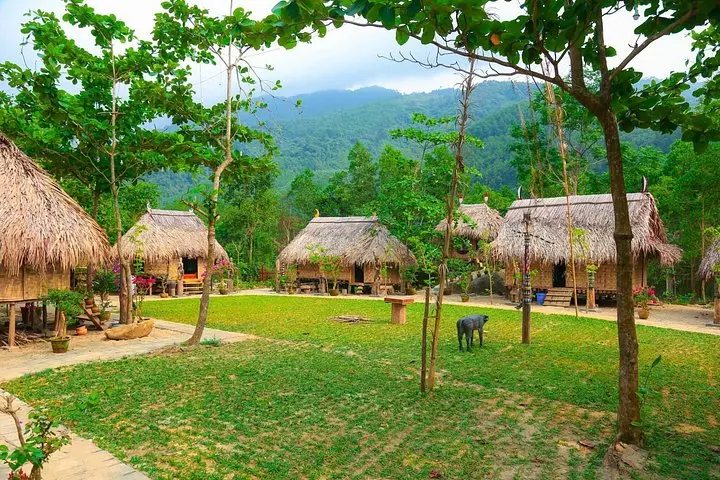
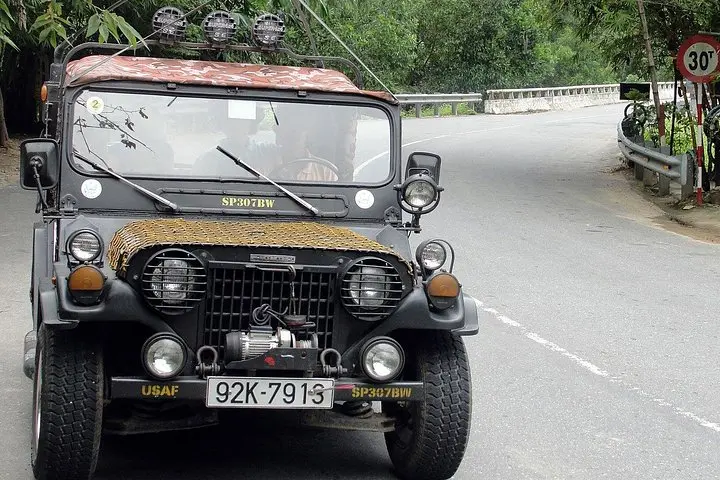
The jeep bumps away from Hoi An and you trade rice-paddy flats for ridgelines of green: tea terraces slope like folded cloth, and a river threads the valley daring you to pause. By late afternoon the stilt houses of BhoHoong appear—simple frames updated with clean lines—and the mountain air cuts clear and cool.
The jeep bumps away from Hoi An and you trade rice-paddy flats for ridgelines of green: tea terraces slope like folded cloth, and a river threads the valley daring you to pause. By late afternoon the stilt houses of BhoHoong appear—simple frames updated with clean lines—and the mountain air cuts clear and cool.
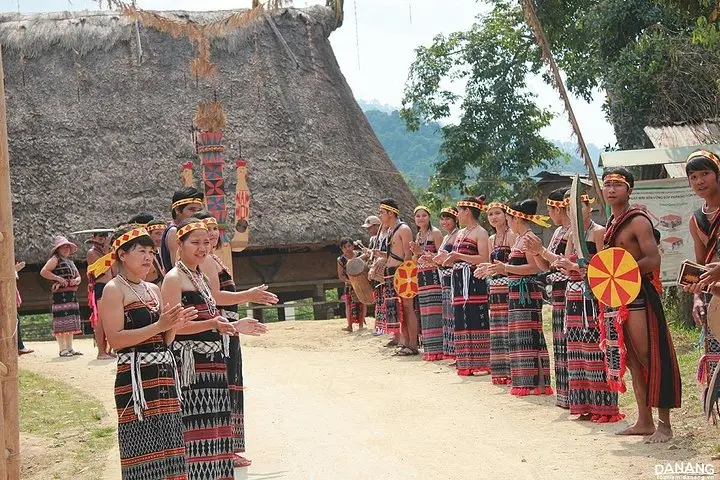
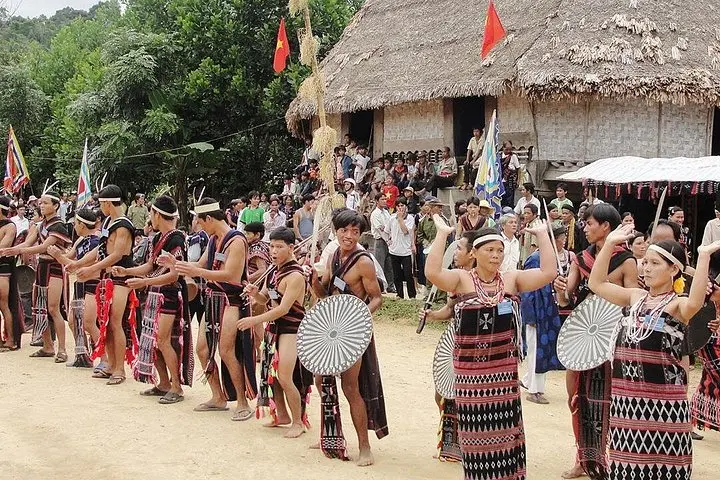
This three-day route crosses landscapes shaped by geology and history: Cham temple ruins mark an older kingdom, French and US wartime roads scar the hills, and the Ho Chi Minh Trail winds through evergreen and secondary forest. The Co Tu people have lived here for generations; woodcarving and brocade weaving remain visible crafts, and evening music and dancing conserve oral histories.
Expect practical terrain—unpaved mountain roads, cultivated tea plots, and village trails. Day two offers full-day treks or optional mountain-biking: plan for 6–12 km of walking on uneven ground with cumulative elevation changes around 200–400 m. Waterfalls sit off-trail in shaded ravines and the river invites a cooling dip after a day of exploration.
Bring sturdy footwear, sun and rain protection, and a willingness to adapt to simple village accommodations. Respect local customs when photographing and accept that phone signals can drop; these are part of what keeps this place intimate. Hydrate on hot afternoons, move deliberately on slick trails, and use guides to bridge language and cultural gaps.
This trip is both cultural exchange and light adventure—ideal for travelers who want immersive, responsible experiences beyond the guidebook routes.
Frequently asked questions
Stilt houses have been refurbished with basic comforts—mattresses and linens—but expect simple facilities and shared bathrooms; electricity can be intermittent.
No technical fitness is required; moderate walking for several hours is typical, and alternatives like biking are offered for lower-impact options.
Yes—brocade textiles and woodcarvings can be purchased in villages; carry small cash and buy directly from makers when possible.
Meals are largely home-cooked local fare; notify booking about allergies or dietary restrictions in advance and guides will attempt accommodations, but options are limited in remote settings.
About This Experience
Asia Travel Links operates guided outdoor trips and adventures with an emphasis on safety, stewardship, and memorable experiences.
Adventure tips
Recommended gear
- Sturdy hiking shoes: Protects ankles and provides traction on rocky, muddy village paths.
- Light rain shell: Quick showers are common—packable waterproofs keep you dry during mountain transfers.
- Insect repellent with DEET or picaridin: Essential for riverbanks, waterfalls and forested trails where mosquitoes are active.
- Small daypack with hydration capacity: Holds water, camera, snacks and respectful offerings for village visits.
Photos of the experience
Related adventures & guides
Read the full experience
The jeep bumps away from Hoi An and you trade rice-paddy flats for ridgelines of green: tea terraces slope like folded cloth, and a river threads the valley daring you to pause. By late afternoon the stilt houses of BhoHoong appear—simple frames updated with clean lines—and the mountain air cuts clear and cool.
The jeep bumps away from Hoi An and you trade rice-paddy flats for ridgelines of green: tea terraces slope like folded cloth, and a river threads the valley daring you to pause. By late afternoon the stilt houses of BhoHoong appear—simple frames updated with clean lines—and the mountain air cuts clear and cool.
This three-day route crosses landscapes shaped by geology and history: Cham temple ruins mark an older kingdom, French and US wartime roads scar the hills, and the Ho Chi Minh Trail winds through evergreen and secondary forest. The Co Tu people have lived here for generations; woodcarving and brocade weaving remain visible crafts, and evening music and dancing conserve oral histories.
Expect practical terrain—unpaved mountain roads, cultivated tea plots, and village trails. Day two offers full-day treks or optional mountain-biking: plan for 6–12 km of walking on uneven ground with cumulative elevation changes around 200–400 m. Waterfalls sit off-trail in shaded ravines and the river invites a cooling dip after a day of exploration.
Bring sturdy footwear, sun and rain protection, and a willingness to adapt to simple village accommodations. Respect local customs when photographing and accept that phone signals can drop; these are part of what keeps this place intimate. Hydrate on hot afternoons, move deliberately on slick trails, and use guides to bridge language and cultural gaps.
This trip is both cultural exchange and light adventure—ideal for travelers who want immersive, responsible experiences beyond the guidebook routes.
Make a day of it nearby.
Verified experiences and guided adventures in the surrounding area.