THE ADVENTURE COLLECTIVE® · Independent discovery and booking for outdoor travel

Explore Greece’s greatest classical and Byzantine landmarks on a compact 3-day route from Athens. Walk Bronze Age citadels, stand in Epidaurus’s perfect theater, taste Nafplio’s streets and climb to the sky-high monasteries of Meteora.
Explore Greece’s greatest classical and Byzantine landmarks on a compact 3-day route from Athens. Walk Bronze Age citadels, stand in Epidaurus’s perfect theater, taste Nafplio’s streets and climb to the sky-high monasteries of Meteora.
You leave Athens at dawn and the city’s grit softens as the car eats kilometers toward the Corinth Canal—steel-edged and narrow, a man-made gorge slicing the sea. Rolling hills of olive and scrub pull past the window; in the Peloponnese, wind tugs at pines and makes the ancient stones seem to lean in to listen.
Verified experiences and guided adventures in the surrounding area.
Operated by CRISPY LOCAL MONOPROSOΡΙ Ι.Κ.Ε. · Athens, Attica
You leave Athens at dawn and the city’s grit softens as the car eats kilometers toward the Corinth Canal—steel-edged and narrow, a man-made gorge slicing the sea. Rolling hills of olive and scrub pull past the window; in the Peloponnese, wind tugs at pines and makes the ancient stones seem to lean in to listen.
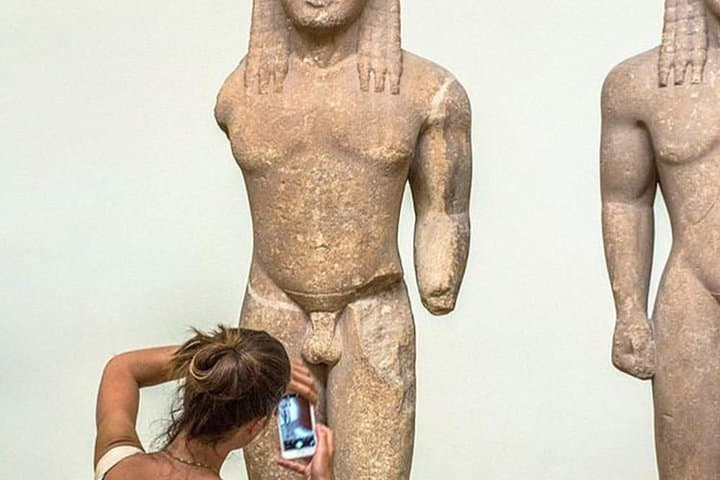
The route reads like a spine of Greek history. At Mycenae you walk the second-millennium BC citadel, pass through the Lion Gate and stand where Bronze Age kings once commanded the land. Epidaurus follows with its perfect theater—bring a soft voice and watch the stone amplify it across centuries. Nafplio offers Venetian façades, bougainvillea-streaked alleys and tavernas with slow-cooked lamb. Delphi sits in a bowl of mountains; geology and faith converge where the oracle once spoke, and the Archaeological Museum houses the Charioteer’s gaze.
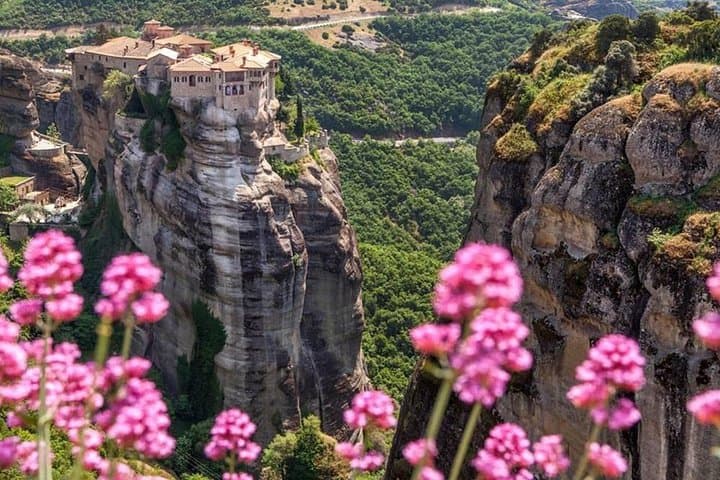
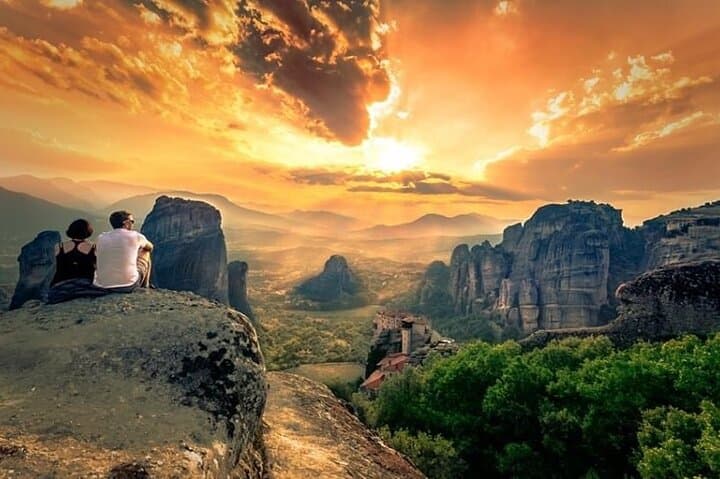
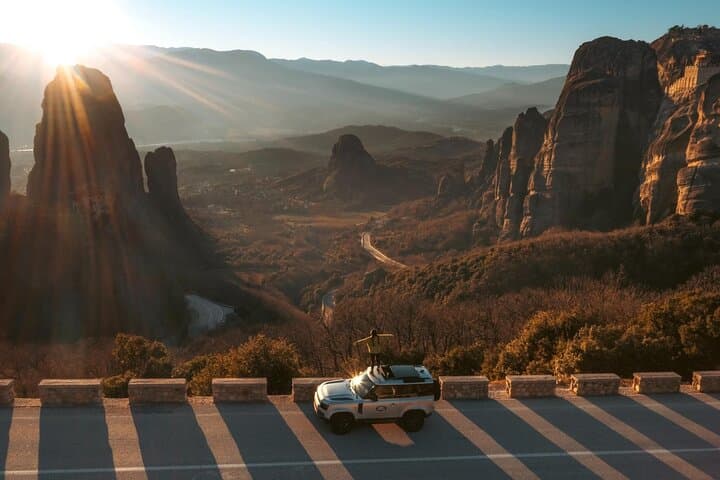
Then Meteora: sandstone pillars sculpted from ancient lakebeds and tectonic lift, monasteries perched on columns that dare the sky. The rocks push upward like a crowd insisting on attention; walking the paths between Kastraki and Kalampaka gives a sense of vertical time.
Practical edge: wear stiff-soled walking shoes for uneven rock and stepped monastery entries, and pack layers—mountain air chills even in summer. Bring cash for small-site admissions and local snacks, and allow longer stops at Delphi and Meteora to absorb the scale. Respect monastery dress codes (shoulders and knees covered) and stick to marked paths to protect fragile sites. Early starts beat crowds and midday heat; keep water handy and camera batteries charged.
easy.
3 days.
Suitable for most fitness levels but requires mobility for uneven terrain and short uphill walks; stairs and rocky paths are common.
Entrance fees are typically not included; the tour includes guide services, transport and hotels—bring euros for admissions unless your booking explicitly states otherwise.
The itinerary is suitable for many fitness levels, but several sites have uneven ground and stairs (notably Meteora monasteries); discuss mobility needs with the operator before booking.
Yes—each stop includes guided walks plus time for independent exploration, shopping in Nafplio and lunch breaks in local villages like Kastraki or Arachova.
Photography is allowed in most exterior areas; some monasteries restrict interior photos—follow posted signs and the monastery staff’s instructions.
The route links Mycenaean strongholds, classical sanctuaries of Apollo, and Byzantine monastic resilience—sites that shaped ancient religion, politics and regional identity.
These UNESCO and protected sites face wear from visitor pressure; stick to marked trails, avoid touching fragile ruins, and support local guides and businesses to help preserve places for future visitors.
CRISPY LOCAL MONOPROSOΡΙ Ι.Κ.Ε. operates guided outdoor trips and adventures with an emphasis on safety, stewardship, and memorable experiences.
You leave Athens at dawn and the city’s grit softens as the car eats kilometers toward the Corinth Canal—steel-edged and narrow, a man-made gorge slicing the sea. Rolling hills of olive and scrub pull past the window; in the Peloponnese, wind tugs at pines and makes the ancient stones seem to lean in to listen.
You leave Athens at dawn and the city’s grit softens as the car eats kilometers toward the Corinth Canal—steel-edged and narrow, a man-made gorge slicing the sea. Rolling hills of olive and scrub pull past the window; in the Peloponnese, wind tugs at pines and makes the ancient stones seem to lean in to listen.
The route reads like a spine of Greek history. At Mycenae you walk the second-millennium BC citadel, pass through the Lion Gate and stand where Bronze Age kings once commanded the land. Epidaurus follows with its perfect theater—bring a soft voice and watch the stone amplify it across centuries. Nafplio offers Venetian façades, bougainvillea-streaked alleys and tavernas with slow-cooked lamb. Delphi sits in a bowl of mountains; geology and faith converge where the oracle once spoke, and the Archaeological Museum houses the Charioteer’s gaze.
Then Meteora: sandstone pillars sculpted from ancient lakebeds and tectonic lift, monasteries perched on columns that dare the sky. The rocks push upward like a crowd insisting on attention; walking the paths between Kastraki and Kalampaka gives a sense of vertical time.
Practical edge: wear stiff-soled walking shoes for uneven rock and stepped monastery entries, and pack layers—mountain air chills even in summer. Bring cash for small-site admissions and local snacks, and allow longer stops at Delphi and Meteora to absorb the scale. Respect monastery dress codes (shoulders and knees covered) and stick to marked paths to protect fragile sites. Early starts beat crowds and midday heat; keep water handy and camera batteries charged.