THE ADVENTURE COLLECTIVE® · Independent discovery and booking for outdoor travel

Trace the footsteps of St. Paul across Athens, the mystical isle of Patmos, and ancient Corinth on a private three-day pilgrimage. Expect archaeological sites, candlelit caves, overnight ferry cabins, and guided context that links scripture to landscape.
Trace the footsteps of St. Paul across Athens, the mystical isle of Patmos, and ancient Corinth on a private three-day pilgrimage. Expect archaeological sites, candlelit caves, overnight ferry cabins, and guided context that links scripture to landscape.
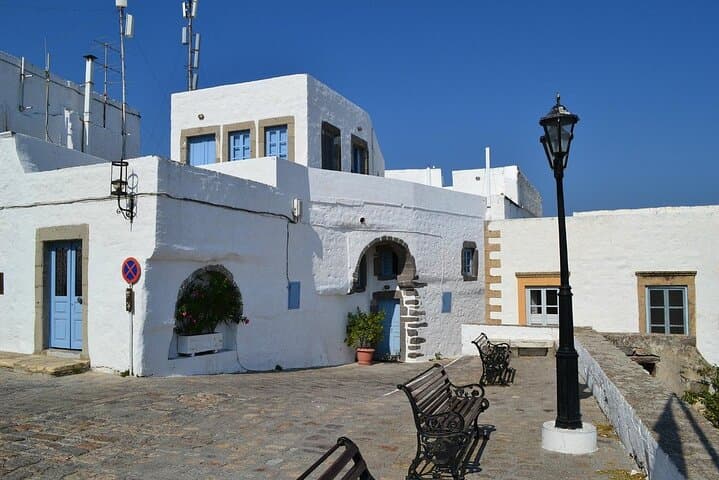
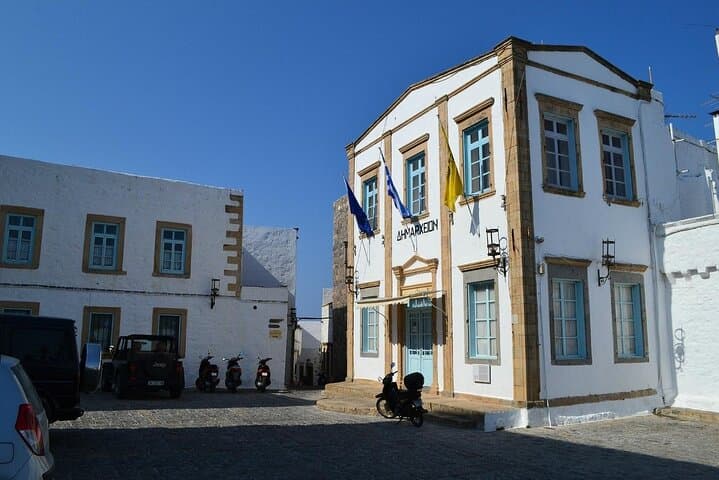
Morning light hits the marble of the Acropolis as travelers gather at Mars Hill, where Paul addressed the Athenians. The city hums below — markets, scooters, and open-air cafés — before the group boards an evening ferry that rocks toward Patmos, a small island whose lanes climb toward the Monastery of St. John.
Verified experiences and guided adventures in the surrounding area.
Operated by Private Tours Greece · Athens, Attica
Morning light hits the marble of the Acropolis as travelers gather at Mars Hill, where Paul addressed the Athenians. The city hums below — markets, scooters, and open-air cafés — before the group boards an evening ferry that rocks toward Patmos, a small island whose lanes climb toward the Monastery of St. John.
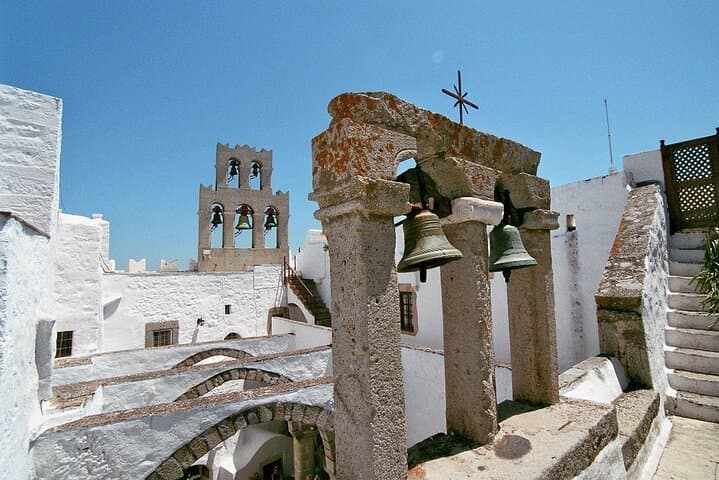
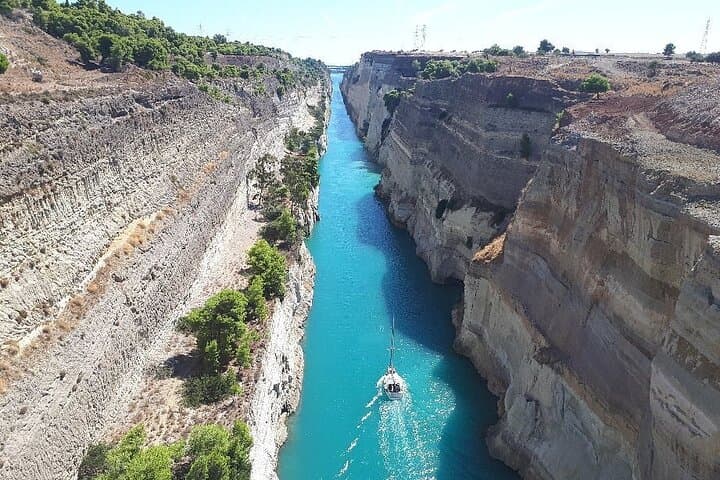
On Patmos the Cave of the Apocalypse feels intimate: low, cool, and lit by candlelight; the stones here are the setting for a foundational Christian text. Nearby, the monastery’s fortified walls and frescoed chapels hold manuscripts and icons that map centuries of Orthodox devotion. The route continues to Corinth, where the Bema and the ruins of the ancient agora connect the biblical narrative to the Roman world; the Canal of Corinth slices the Peloponnese with a vice-like straightness, offering a startling modern counterpoint to ruins.
This three-day private itinerary blends archaeology, theology, and quiet reflection. Travellers should expect short walks on uneven stone, ferry cabins for two overnight sailings, and narrated visits with entrance fees included. Guides typically explain the sites’ Byzantine and Classical contexts alongside passages attributed to St. Paul.
Practical planning: time your ferry crossings, carry layers for cool cave interiors and breezy decks, and allow flexibility for local timetables. Modest dress is required in monastic spaces. For curious visitors who want historical texture with spiritual emphasis, this route delivers concentrated access to places that shaped early Christianity.
easy.
3 days.
Suitable for most travelers who can walk short distances on uneven ground and manage stairs; no special fitness required.
Yes — overnight ferry cabins in the itinerary are private and included for the two crossings to and from Patmos.
The trip is advertised as physically easy; however, expect stairs, uneven stone surfaces, and some walking—contact the operator about specific mobility needs.
Guiding language is typically English for international bookings; verify at booking for other language requests.
Yes — entrance fees for listed sites and three breakfasts (one per day) are included according to the itinerary.
Athens, Patmos, and Corinth each played distinct roles in early Christianity and classical antiquity; Patmos is famed as the place where John composed the Revelation text, while Corinth hosted early Christian communities visited by St. Paul.
Visitors are encouraged to respect fragile frescoes and manuscript displays by following site rules; local operators promote digital itineraries to reduce paper waste.
Private Tours Greece operates guided outdoor trips and adventures with an emphasis on safety, stewardship, and memorable experiences.
Morning light hits the marble of the Acropolis as travelers gather at Mars Hill, where Paul addressed the Athenians. The city hums below — markets, scooters, and open-air cafés — before the group boards an evening ferry that rocks toward Patmos, a small island whose lanes climb toward the Monastery of St. John.
Morning light hits the marble of the Acropolis as travelers gather at Mars Hill, where Paul addressed the Athenians. The city hums below — markets, scooters, and open-air cafés — before the group boards an evening ferry that rocks toward Patmos, a small island whose lanes climb toward the Monastery of St. John.
On Patmos the Cave of the Apocalypse feels intimate: low, cool, and lit by candlelight; the stones here are the setting for a foundational Christian text. Nearby, the monastery’s fortified walls and frescoed chapels hold manuscripts and icons that map centuries of Orthodox devotion. The route continues to Corinth, where the Bema and the ruins of the ancient agora connect the biblical narrative to the Roman world; the Canal of Corinth slices the Peloponnese with a vice-like straightness, offering a startling modern counterpoint to ruins.
This three-day private itinerary blends archaeology, theology, and quiet reflection. Travellers should expect short walks on uneven stone, ferry cabins for two overnight sailings, and narrated visits with entrance fees included. Guides typically explain the sites’ Byzantine and Classical contexts alongside passages attributed to St. Paul.
Practical planning: time your ferry crossings, carry layers for cool cave interiors and breezy decks, and allow flexibility for local timetables. Modest dress is required in monastic spaces. For curious visitors who want historical texture with spiritual emphasis, this route delivers concentrated access to places that shaped early Christianity.