THE ADVENTURE COLLECTIVE® · Independent discovery and booking for outdoor travel

A compact, three-day safari that pairs morning boat cruises on the Chobe River with afternoon game drives and two nights in camp. Ideal for travelers based in Victoria Falls or Livingstone who want intense wildlife viewing close to the waterline.
A compact, three-day safari that pairs morning boat cruises on the Chobe River with afternoon game drives and two nights in camp. Ideal for travelers based in Victoria Falls or Livingstone who want intense wildlife viewing close to the waterline.
Dawn breaks over the Chobe River and the first elephants already stand in the shallows, trunks like curious arms testing the current. The boat hums along the riverbank where paperbark trees throw dappled shade and waterbucks watch from reed edges; later, an open 4x4 rumbles into the park and the landscape opens again into salt pans and shaded mopane woodland.
Verified experiences and guided adventures in the surrounding area.
Operated by Kalahari Tours · Kasane, Chobe District
Dawn breaks over the Chobe River and the first elephants already stand in the shallows, trunks like curious arms testing the current. The boat hums along the riverbank where paperbark trees throw dappled shade and waterbucks watch from reed edges; later, an open 4x4 rumbles into the park and the landscape opens again into salt pans and shaded mopane woodland.
Chobe National Park—formally protected in the 1960s—sits on floodplains shaped by seasonal river pulses. The park’s geology is gentle: ancient sandstones and alluvial soils that feed tall riverine trees and the grasses that draw huge herds. Local BaYei and Tswana communities historically fished and farmed along the Chobe; today conservation and community tourism link livelihoods with wildlife protection.
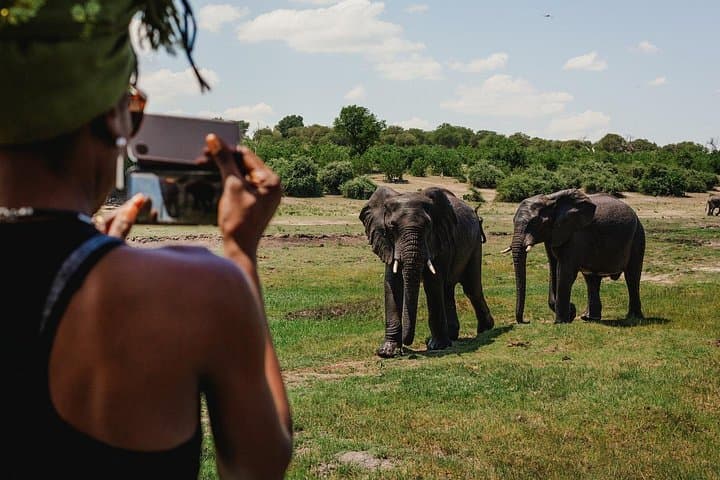
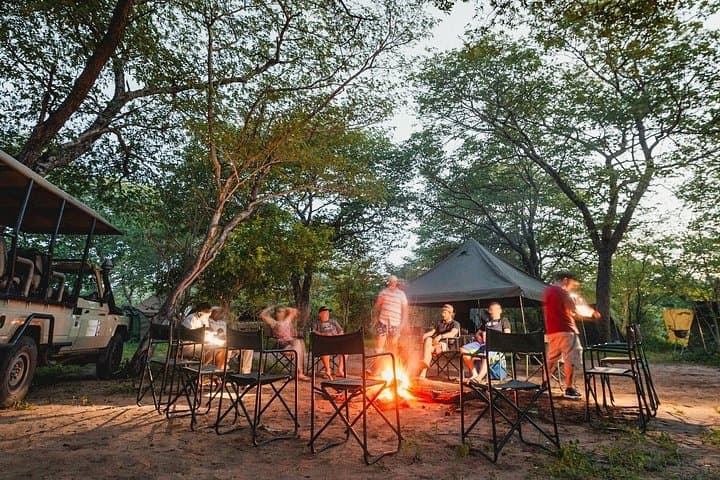
On this 3-day loop from Victoria Falls or Livingstone the rhythm alternates boat cruises and game drives, with nights in a simple camp. Expect close-range elephant encounters, hippo-lined channels, and prolific birdlife; guides use dry-season concentrations to track animals and wet-season floods to reveal different behaviors.
Practically: pack quick-dry layers, a good pair of walking shoes, and binoculars. Morning drives are cold before sunrise; afternoons are hot and insect-heavy in summer. Hydrate between activities and keep a daypack for water, sunblock and a camera. Camps supply bedding and basic meals, but bring personal meds and any specialty snacks. Border transfers between Zimbabwe/Zambia and Botswana may require passports and visa checks depending on nationality—confirm pickup details when you book.
This trip trades luxury for proximity to wildlife: it’s a hands-on, mobile safari that puts the river and the plains at the center of the experience.
moderate.
3 days (approx. 72 hours).
Good general fitness for repeated game drives, short walks from camp, and boarding boats; able to manage uneven ground and occasional heat.
Visa rules depend on your nationality and entry point; check both Zimbabwe/Zambia and Botswana requirements in advance and confirm if any border transfers are included.
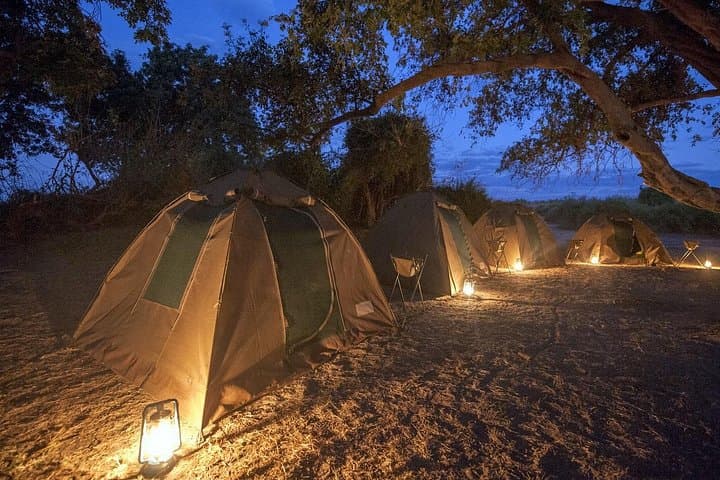
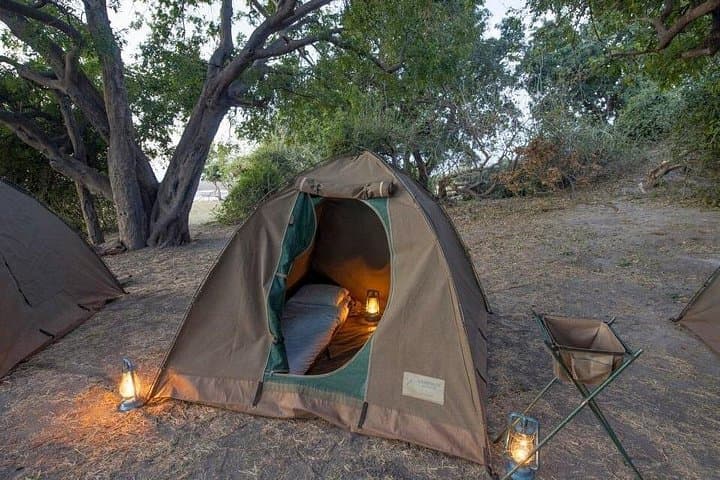
Overnight stays are in a basic camp with provided bedding and mattresses—comfort is simple and focused on proximity to wildlife rather than luxury services.
Three breakfasts, lunches/brunches and dinners are included as listed; bring personal snacks and any preferred drinks not covered by the operator.
Children may join but check age restrictions; the tour is not recommended for travelers with serious spinal injuries or limited mobility due to vehicle access and camp terrain.
Chobe was officially proclaimed a national park in the 1960s and expanded to protect riverine habitat that supports huge elephant populations; the park sits along traditional BaYei fishing grounds.
Tourism fees help fund anti-poaching units and community programs; stick to guide instructions to minimize disturbance and avoid feeding or approaching wildlife.
Kalahari Tours operates guided outdoor trips and adventures with an emphasis on safety, stewardship, and memorable experiences.
Dawn breaks over the Chobe River and the first elephants already stand in the shallows, trunks like curious arms testing the current. The boat hums along the riverbank where paperbark trees throw dappled shade and waterbucks watch from reed edges; later, an open 4x4 rumbles into the park and the landscape opens again into salt pans and shaded mopane woodland.
Dawn breaks over the Chobe River and the first elephants already stand in the shallows, trunks like curious arms testing the current. The boat hums along the riverbank where paperbark trees throw dappled shade and waterbucks watch from reed edges; later, an open 4x4 rumbles into the park and the landscape opens again into salt pans and shaded mopane woodland.
Chobe National Park—formally protected in the 1960s—sits on floodplains shaped by seasonal river pulses. The park’s geology is gentle: ancient sandstones and alluvial soils that feed tall riverine trees and the grasses that draw huge herds. Local BaYei and Tswana communities historically fished and farmed along the Chobe; today conservation and community tourism link livelihoods with wildlife protection.
On this 3-day loop from Victoria Falls or Livingstone the rhythm alternates boat cruises and game drives, with nights in a simple camp. Expect close-range elephant encounters, hippo-lined channels, and prolific birdlife; guides use dry-season concentrations to track animals and wet-season floods to reveal different behaviors.
Practically: pack quick-dry layers, a good pair of walking shoes, and binoculars. Morning drives are cold before sunrise; afternoons are hot and insect-heavy in summer. Hydrate between activities and keep a daypack for water, sunblock and a camera. Camps supply bedding and basic meals, but bring personal meds and any specialty snacks. Border transfers between Zimbabwe/Zambia and Botswana may require passports and visa checks depending on nationality—confirm pickup details when you book.
This trip trades luxury for proximity to wildlife: it’s a hands-on, mobile safari that puts the river and the plains at the center of the experience.