THE ADVENTURE COLLECTIVE® · Independent discovery and booking for outdoor travel

Spend three days in Chitwan National Park tracking rhinos, cruising the Rapti River by canoe and experiencing Tharu village culture. This compact safari pairs early-morning wildlife viewing with guided jeep safaris and cultural evenings.
Spend three days in Chitwan National Park tracking rhinos, cruising the Rapti River by canoe and experiencing Tharu village culture. This compact safari pairs early-morning wildlife viewing with guided jeep safaris and cultural evenings.
Dawn unspools along the Rapti River: mist lifts off slow-moving water, kingfishers dart, and a canoe pushes a quiet wake that dares the jungle to reveal itself.
Verified experiences and guided adventures in the surrounding area.
Operated by Welcome Nepal Treks P.ltd · Sauraha, Bagmati Province
Dawn unspools along the Rapti River: mist lifts off slow-moving water, kingfishers dart, and a canoe pushes a quiet wake that dares the jungle to reveal itself.
Chitwan National Park, Nepal's first national park (established 1973 and UNESCO-listed in 1984), occupies lowland Terai floodplains where river channels, sal forest and tall grasslands meet. The landscape is young — formed by alluvial deposits from the Himalaya — and it still shifts with monsoon seasons, carving new channels and concentrating wildlife at predictable water edges.
The park is as cultural as it is biological. Nearby Tharu villages have lived here for generations; their dances, carved homes and knowledge of wildlife tracking are woven into tour programs and evening presentations.
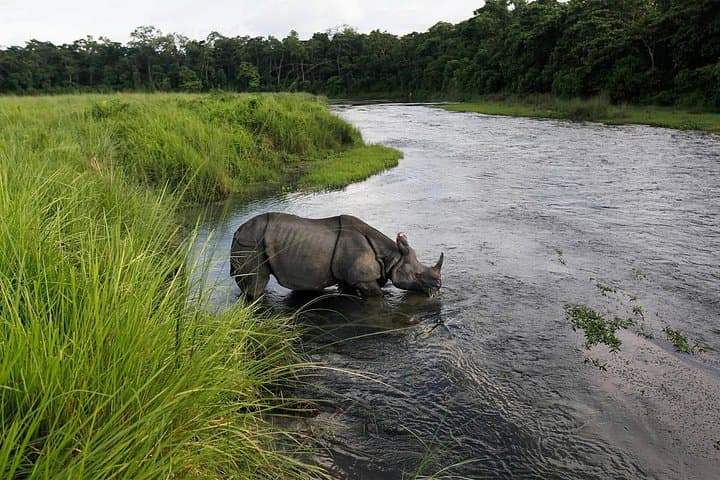
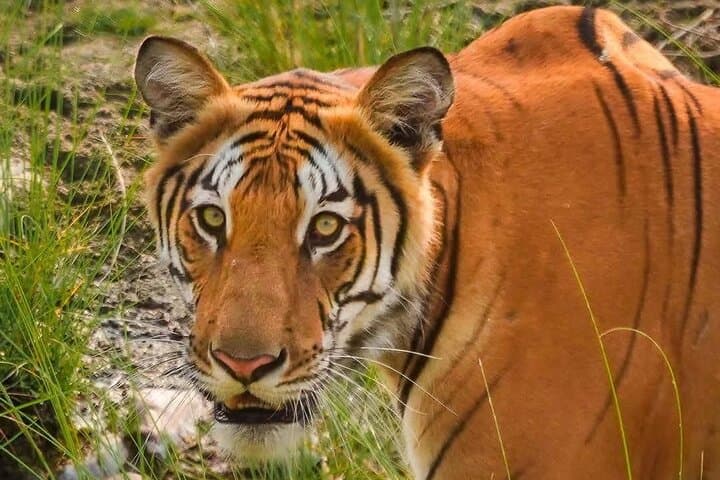
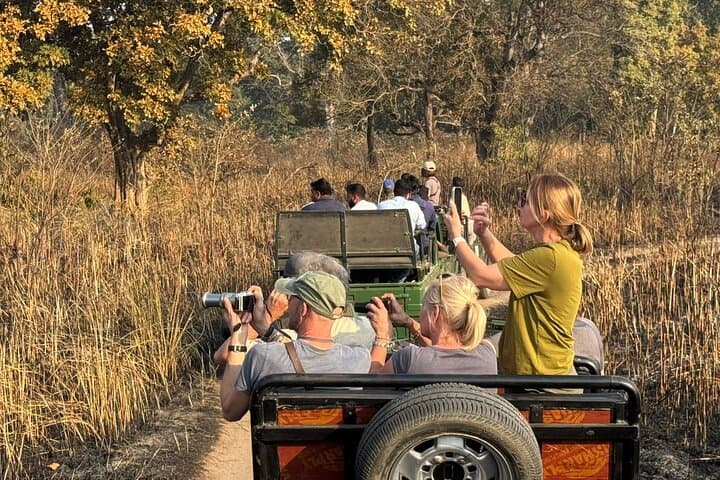
Over three days expect guided canoe rides for gharial and waterbird viewing, early-morning jungle walks and an open-jeep safari across grasslands hunting for one-horned rhino, deer and, more rarely, Royal Bengal tigers. Guides interpret tracks, point out hornbill calls and time river bends where crocodiles bask.
Practical edge: travel from Kathmandu by tourist bus or private transfer (about 5–6 hours) or fly to Bharatpur. Most wildlife sightings come at first light or late afternoon — schedule your canoe and jeep drives accordingly. Bring closed-toe shoes for muddy trails, a rain layer during monsoon months, binoculars and insect repellent. Respect park rules, stay with your guide, and keep distance from wildlife; the park’s recovery programs depend on responsible tourism.
This short package is designed for accessible immersion — minimal trekking fitness required, maximum face-to-face time with Terai wildlife and Tharu culture.
easy.
2–3 days.
Light physical conditioning is sufficient — short, guided jungle walks and vehicle-based safaris; be prepared for uneven, muddy terrain.
No. While Chitwan has a healthy population of one-horned rhinos and resident tigers, sightings depend on season, timing and luck; rhinos are more reliably seen than tigers.
This package typically includes national park fees and Kathmandu–Chitwan transfers by tourist bus; confirm specifics at booking as inclusions may vary.
Post-monsoon to early winter (October–February) offers clear skies and good visibility; birding is excellent in spring (March–May). Monsoon (June–August) is hot and wet with more mosquitoes.
Yes — the tour is rated easy and suitable for most fitness levels, but it’s not recommended for those with serious heart conditions; check age and health policies with the operator.
Chitwan was designated Nepal’s first national park in 1973 to protect its unique Terai ecosystems; it later gained UNESCO World Heritage status for both biodiversity and landscape significance.
Anti-poaching patrols and community-based conservation have helped revive rhino numbers; responsible tourism and staying on designated trails reduce disturbance to wildlife.
Welcome Nepal Treks P.ltd operates guided outdoor trips and adventures with an emphasis on safety, stewardship, and memorable experiences.
Dawn unspools along the Rapti River: mist lifts off slow-moving water, kingfishers dart, and a canoe pushes a quiet wake that dares the jungle to reveal itself.
Dawn unspools along the Rapti River: mist lifts off slow-moving water, kingfishers dart, and a canoe pushes a quiet wake that dares the jungle to reveal itself.
Chitwan National Park, Nepal's first national park (established 1973 and UNESCO-listed in 1984), occupies lowland Terai floodplains where river channels, sal forest and tall grasslands meet. The landscape is young — formed by alluvial deposits from the Himalaya — and it still shifts with monsoon seasons, carving new channels and concentrating wildlife at predictable water edges.
The park is as cultural as it is biological. Nearby Tharu villages have lived here for generations; their dances, carved homes and knowledge of wildlife tracking are woven into tour programs and evening presentations.
Over three days expect guided canoe rides for gharial and waterbird viewing, early-morning jungle walks and an open-jeep safari across grasslands hunting for one-horned rhino, deer and, more rarely, Royal Bengal tigers. Guides interpret tracks, point out hornbill calls and time river bends where crocodiles bask.
Practical edge: travel from Kathmandu by tourist bus or private transfer (about 5–6 hours) or fly to Bharatpur. Most wildlife sightings come at first light or late afternoon — schedule your canoe and jeep drives accordingly. Bring closed-toe shoes for muddy trails, a rain layer during monsoon months, binoculars and insect repellent. Respect park rules, stay with your guide, and keep distance from wildlife; the park’s recovery programs depend on responsible tourism.
This short package is designed for accessible immersion — minimal trekking fitness required, maximum face-to-face time with Terai wildlife and Tharu culture.