THE ADVENTURE COLLECTIVE® · Independent discovery and booking for outdoor travel

Three days of ridge walks, Newar villages and homestays around Kathmandu, capped by boating on the Indra Sarovar reservoir. Expect 4–5 hour hiking days, rustic food, and panoramic Himalayan views on clear mornings.
Three days of ridge walks, Newar villages and homestays around Kathmandu, capped by boating on the Indra Sarovar reservoir. Expect 4–5 hour hiking days, rustic food, and panoramic Himalayan views on clear mornings.
A cool morning lift from Kathmandu drops you at Matatirtha and the walk begins—first on a stepped path past terraced fields, then into subtropical forest that scents the air with damp leaf and stone. The ridge opens unexpectedly: Ganesh Himal and Langtang anchor the horizon, and on very clear days Everest peers over distant peaks. By late afternoon the path winds down to Chitlang, where stone spouts still mark communal life and old Newar houses sit low to the ground.
Verified experiences and guided adventures in the surrounding area.
Operated by Himalayan Planet Adventures · Chitlang, Bagmati Province
A cool morning lift from Kathmandu drops you at Matatirtha and the walk begins—first on a stepped path past terraced fields, then into subtropical forest that scents the air with damp leaf and stone. The ridge opens unexpectedly: Ganesh Himal and Langtang anchor the horizon, and on very clear days Everest peers over distant peaks. By late afternoon the path winds down to Chitlang, where stone spouts still mark communal life and old Newar houses sit low to the ground.
This route threads history and geology: parts of the Mahabharat Range show ancient river-cut ridges and soils ideal for millet and maize; Chitlang and Kunchhal carry Newar inscriptions and stone taps dated to Nepali Sambat eras. Kulekhani’s Indra Sarovar is human-made—its dam reshaped valleys for hydroelectric power and created a broad reservoir now used for boating and fishing.
Culture here is practical and performative: goat-cheese makers, seasonal festivals, and evening homestays where a small cultural program may follow dinner. Wildlife is subtle—birds and occasional langurs—while the terrain alternates packed earth, short stone steps, and grassy tracks.
Practical guidance: expect 4–5 hours of walking on days 1 and 2 with 300–600 m of cumulative ascent in sections; pack layered clothing, rain protection, and sturdy shoes. Carry water, cash for tiny village purchases, and respect homestay customs (remove shoes, ask before photos). Plan for simple facilities, comfortable local food, and a steady, moderate-paced itinerary suited to most hikers with decent fitness.
moderate.
3 days.
Suitable for hikers with moderate fitness who can sustain 4–5 hours of walking on uneven trails and short climbs
The trails are moderate—4–5 hours per day on mostly well-defined paths with some steep sections; beginners with a reasonable fitness level can complete it.
Homestays are simple but clean, offering local Nepali meals; inform the operator ahead about dietary restrictions so hosts can prepare alternatives.
Boating on Indra Sarovar is included as an activity; operators provide basic life jackets and calm-water boats suitable for casual boating and fishing.
Pack layered clothing for cool mornings and warmer afternoons, a rain shell for sudden storms, and sunscreen—altitude is modest but sun exposure can be strong.
Chitlang and Kunchhal are ancient Newar settlements with stone taps and inscriptions referencing the Nepali Sambat era; the area retains traditional village layouts and festivals.
Homestays support local economies; stick to trails, avoid single-use plastics, and follow hosts’ guidance to minimize impact on water sources and farmland.
Himalayan Planet Adventures operates guided outdoor trips and adventures with an emphasis on safety, stewardship, and memorable experiences.
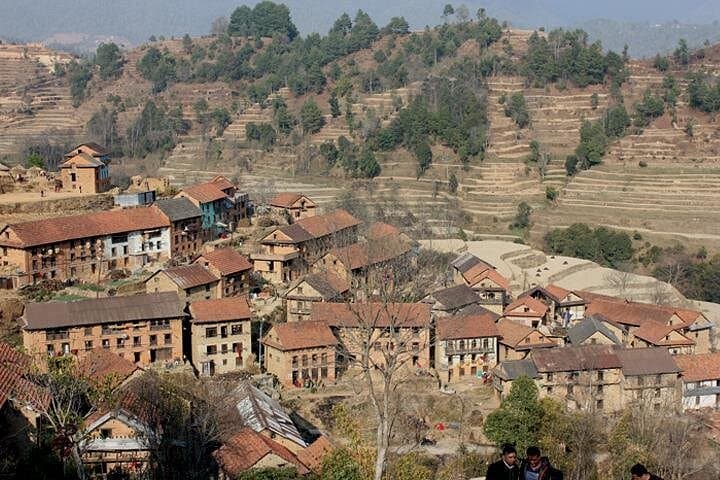
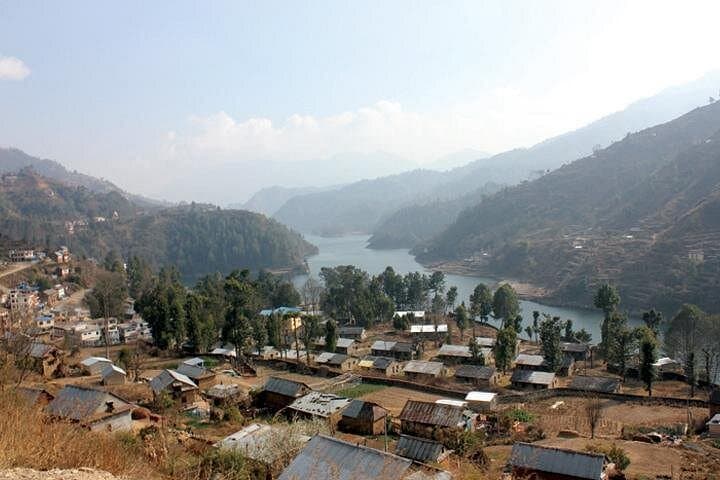
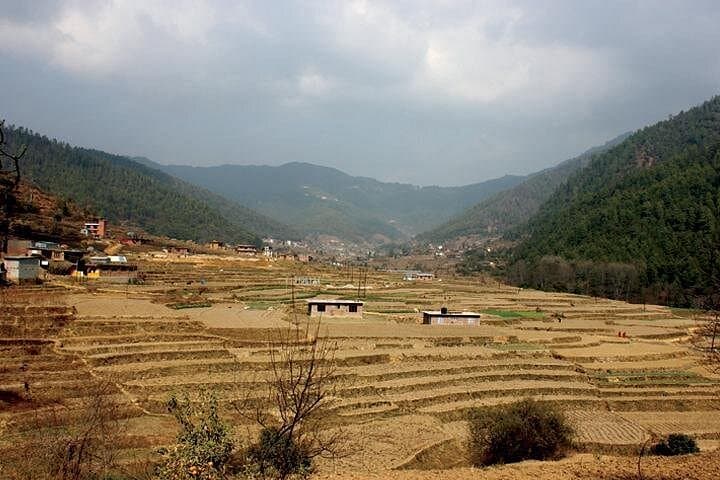
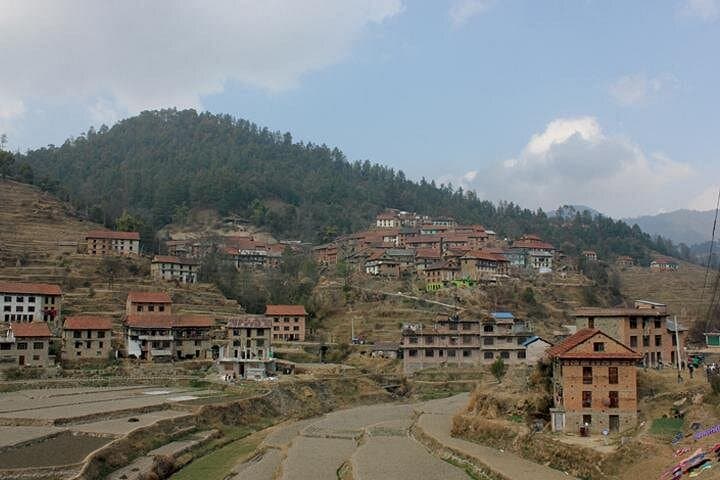
A cool morning lift from Kathmandu drops you at Matatirtha and the walk begins—first on a stepped path past terraced fields, then into subtropical forest that scents the air with damp leaf and stone. The ridge opens unexpectedly: Ganesh Himal and Langtang anchor the horizon, and on very clear days Everest peers over distant peaks. By late afternoon the path winds down to Chitlang, where stone spouts still mark communal life and old Newar houses sit low to the ground.
A cool morning lift from Kathmandu drops you at Matatirtha and the walk begins—first on a stepped path past terraced fields, then into subtropical forest that scents the air with damp leaf and stone. The ridge opens unexpectedly: Ganesh Himal and Langtang anchor the horizon, and on very clear days Everest peers over distant peaks. By late afternoon the path winds down to Chitlang, where stone spouts still mark communal life and old Newar houses sit low to the ground.
This route threads history and geology: parts of the Mahabharat Range show ancient river-cut ridges and soils ideal for millet and maize; Chitlang and Kunchhal carry Newar inscriptions and stone taps dated to Nepali Sambat eras. Kulekhani’s Indra Sarovar is human-made—its dam reshaped valleys for hydroelectric power and created a broad reservoir now used for boating and fishing.
Culture here is practical and performative: goat-cheese makers, seasonal festivals, and evening homestays where a small cultural program may follow dinner. Wildlife is subtle—birds and occasional langurs—while the terrain alternates packed earth, short stone steps, and grassy tracks.
Practical guidance: expect 4–5 hours of walking on days 1 and 2 with 300–600 m of cumulative ascent in sections; pack layered clothing, rain protection, and sturdy shoes. Carry water, cash for tiny village purchases, and respect homestay customs (remove shoes, ask before photos). Plan for simple facilities, comfortable local food, and a steady, moderate-paced itinerary suited to most hikers with decent fitness.