THE ADVENTURE COLLECTIVE® · Independent discovery and booking for outdoor travel

A short, accessible trek from Sundarijal to Nagarkot through Shivapuri Nagarjun National Park, this 3-day route pairs forest ridgelines with Himalayan sunrise viewpoints and visits to Changu Narayan and Bhaktapur. Ideal for first-time trekkers who want panoramic mountain vistas and cultural stops.
A short, accessible trek from Sundarijal to Nagarkot through Shivapuri Nagarjun National Park, this 3-day route pairs forest ridgelines with Himalayan sunrise viewpoints and visits to Changu Narayan and Bhaktapur. Ideal for first-time trekkers who want panoramic mountain vistas and cultural stops.
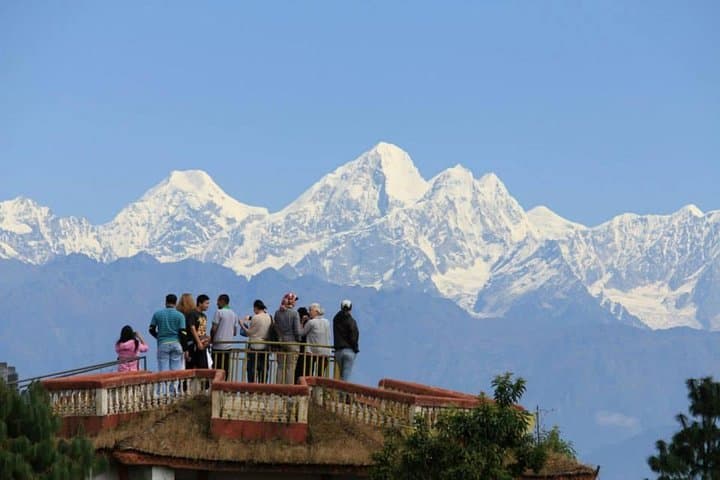
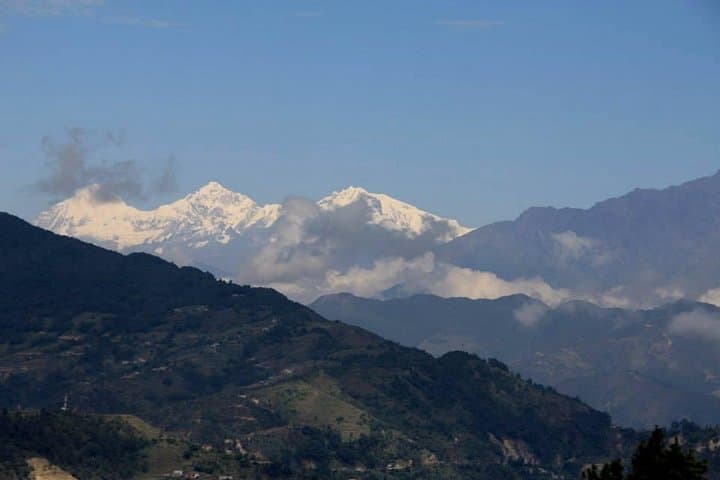
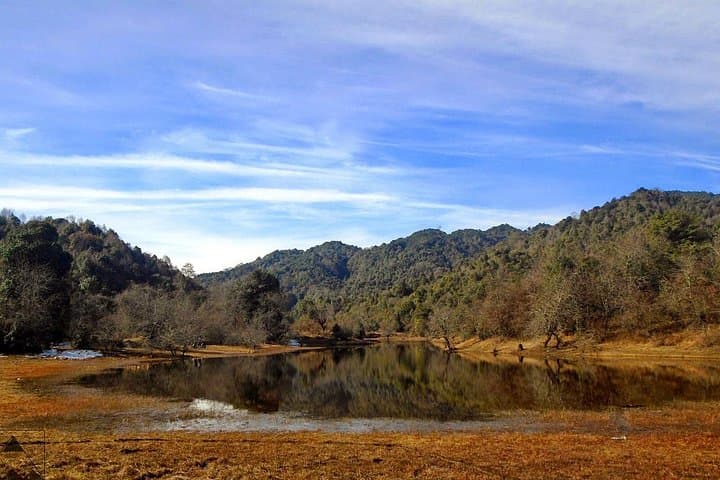
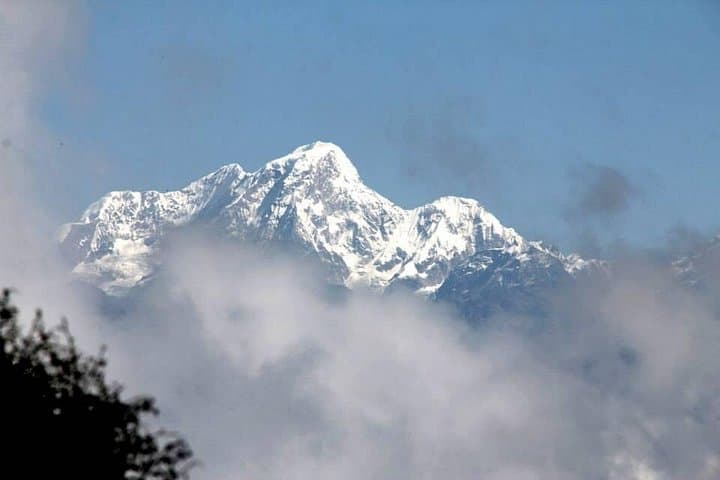
You step out of Kathmandu’s bustle into a cool, pine-scented rise as the road to Sundarijal drops you at the Shivapuri trailhead. The first day climbs under oak and rhododendron, the forest pressing close while the valley below shrinks; Chisapani sits at a ridge where the air opens and the Himalaya begin to assert themselves in distant, jagged silhouettes.
Verified experiences and guided adventures in the surrounding area.
Operated by himalayan sanctuary adventure private limited · Nagarkot, Bagmati Province
You step out of Kathmandu’s bustle into a cool, pine-scented rise as the road to Sundarijal drops you at the Shivapuri trailhead. The first day climbs under oak and rhododendron, the forest pressing close while the valley below shrinks; Chisapani sits at a ridge where the air opens and the Himalaya begin to assert themselves in distant, jagged silhouettes.
The route threads through Shivapuri Nagarjun National Park, a young protected area whose ridgelines were shaped by the same tectonic shoves that raised the Greater Himalaya. Villages and terraced fields give way to viewpoint benches at Nagarkot, altitude ~2,200 m, known locally for clear winter sunrises that line up Annapurna through Everest on a good morning. Cultural markers arrive on day three: Changu Narayan’s ninth-century temple complex — an early Newar wood-and-stone site listed by UNESCO — and Bhaktapur’s Durbar Square, where medieval craft and brick streets remind you this is still heartland of the Kathmandu Valley.
Practically: expect 4–7 hours of walking on days one and two over unsealed trails with steady climbs and short descents. Lodges and basic meals are standard; porter and guide services are typical for this itinerary. Hydrate well, layer for large temperature swings between valley heat and ridge cold, and plan sunrise viewing with clear-sky contingencies. Wildlife is mostly birds and macaques; trails are well-worn but can be muddy after rain. For first-time trekkers, the route is an accessible introduction to Himalayan trekking — short, scenic and culturally rich — but respect the park rules and local customs as you move between forest, villages and ancient shrines.
moderate.
3 days (4–7 hours walking per day).
Suitable for hikers in moderate fitness — able to manage sustained climbs, steeper stair sections, and uneven trails while carrying a daypack.
The route is classified moderate: trails are non-technical but involve several hours of uphill walking; beginners with regular walking fitness can complete it with guided support.
Yes — entry into Shivapuri Nagarjun National Park requires a permit, which is typically arranged by the trek operator.
Late autumn to early spring (October–December and February–March) offers the most dependable clear skies for sunrise views; winter mornings are crisp but colder.
Lodges in Chisapani and Nagarkot are simple but comfortable, offering common rooms, hot meals, and hot water in tourist seasons; expect modest facilities in remote spots.
Changu Narayan is one of Nepal’s oldest Hindu temples with carved stone and woodwork dating back to the 5th–8th centuries; Bhaktapur preserves medieval Newar urban design and craft traditions.
Shivapuri Nagarjun is a protected area — stick to trails, avoid feeding wildlife, and carry out all non-biodegradable waste to reduce impact.
himalayan sanctuary adventure private limited operates guided outdoor trips and adventures with an emphasis on safety, stewardship, and memorable experiences.
You step out of Kathmandu’s bustle into a cool, pine-scented rise as the road to Sundarijal drops you at the Shivapuri trailhead. The first day climbs under oak and rhododendron, the forest pressing close while the valley below shrinks; Chisapani sits at a ridge where the air opens and the Himalaya begin to assert themselves in distant, jagged silhouettes.
You step out of Kathmandu’s bustle into a cool, pine-scented rise as the road to Sundarijal drops you at the Shivapuri trailhead. The first day climbs under oak and rhododendron, the forest pressing close while the valley below shrinks; Chisapani sits at a ridge where the air opens and the Himalaya begin to assert themselves in distant, jagged silhouettes.
The route threads through Shivapuri Nagarjun National Park, a young protected area whose ridgelines were shaped by the same tectonic shoves that raised the Greater Himalaya. Villages and terraced fields give way to viewpoint benches at Nagarkot, altitude ~2,200 m, known locally for clear winter sunrises that line up Annapurna through Everest on a good morning. Cultural markers arrive on day three: Changu Narayan’s ninth-century temple complex — an early Newar wood-and-stone site listed by UNESCO — and Bhaktapur’s Durbar Square, where medieval craft and brick streets remind you this is still heartland of the Kathmandu Valley.
Practically: expect 4–7 hours of walking on days one and two over unsealed trails with steady climbs and short descents. Lodges and basic meals are standard; porter and guide services are typical for this itinerary. Hydrate well, layer for large temperature swings between valley heat and ridge cold, and plan sunrise viewing with clear-sky contingencies. Wildlife is mostly birds and macaques; trails are well-worn but can be muddy after rain. For first-time trekkers, the route is an accessible introduction to Himalayan trekking — short, scenic and culturally rich — but respect the park rules and local customs as you move between forest, villages and ancient shrines.