THE ADVENTURE COLLECTIVE® · Independent discovery and booking for outdoor travel

Spend three days following trackers into Kibale Forest to find habituated chimpanzee troops, combine a Bigodi swamp walk and lodge stays near Kanyanchu. This practical, wildlife-focused short safari balances active trekking with guided nature walks and local culture.
Spend three days following trackers into Kibale Forest to find habituated chimpanzee troops, combine a Bigodi swamp walk and lodge stays near Kanyanchu. This practical, wildlife-focused short safari balances active trekking with guided nature walks and local culture.
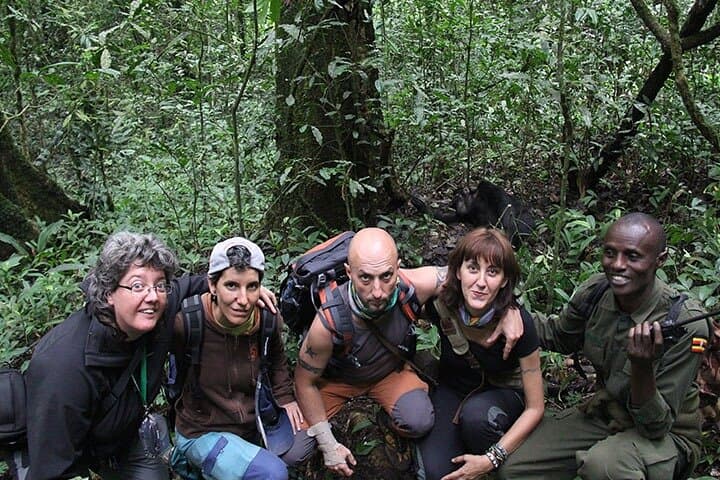
Dawn breaks over the rolling tea hills outside Fort Portal and the road narrows to a red ribbon that pushes west into Kibale Forest. Rainforest air is immediate—damp leaf litter underfoot, trunks slick with moss, and calls from unseen primates threading the canopy. On day two you’ll assemble at Kanyanchu Visitor Centre, briefed and grouped, then move into trails where trackers follow footprints, broken stems and distant hoots until the troop reveals itself.
Verified experiences and guided adventures in the surrounding area.
Operated by Simba African Expeditions · Fort Portal, Western Region
Dawn breaks over the rolling tea hills outside Fort Portal and the road narrows to a red ribbon that pushes west into Kibale Forest. Rainforest air is immediate—damp leaf litter underfoot, trunks slick with moss, and calls from unseen primates threading the canopy. On day two you’ll assemble at Kanyanchu Visitor Centre, briefed and grouped, then move into trails where trackers follow footprints, broken stems and distant hoots until the troop reveals itself.
Kibale sits on the western edge of the Albertine Rift, a mosaic of ancient rainforest shaped by volcanic soils and heavy equatorial rains. The park’s long-term protection has preserved one of Africa’s highest densities of primates; chimpanzees here are part of a cultural landscape where the Banyoro people and small forest communities have long interacted with the trees and streams.
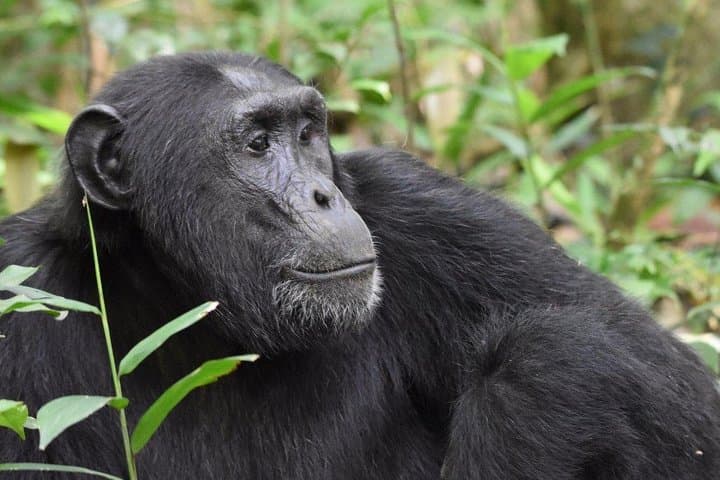
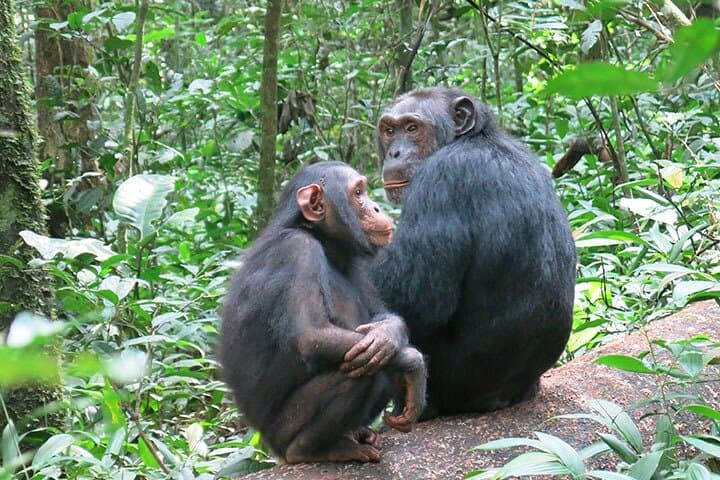
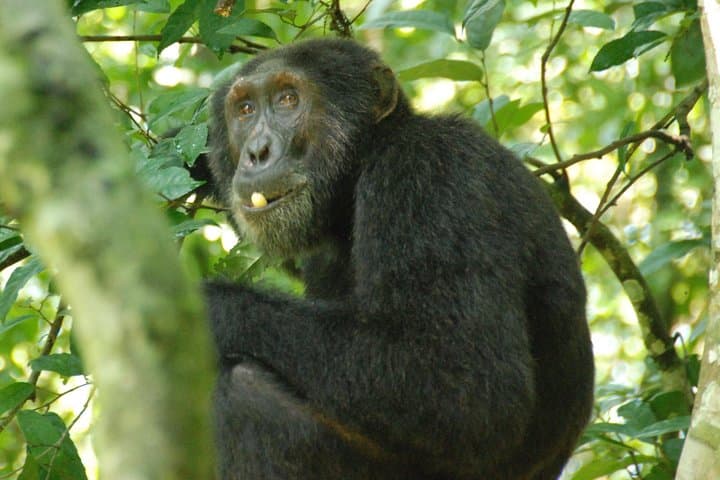
Expect a day of active searching rather than a guaranteed encounter—tracking can take a few hours through uneven, sometimes muddy terrain. When chimps are found you’ll have one hour to observe under strict rules: keep distance, limit noise and avoid flashes. Bigodi Swamp on day one offers a gentler guided walk with birds, papyrus channels and a good chance to see red colobus and black-and-white colobus.
Practical essentials: start early to increase sighting chances, bring insect repellent, quick-dry clothing and sturdy, broken-in shoes. The operator provides a chimpanzee tracking permit and meals as listed, but check health advisories—pregnant travelers or those with spinal or serious heart conditions are advised not to participate. Respect park guidelines and local guides—the forest is fragile and the experience depends on quiet patience and attentive tracking.
moderate.
3 days.
Suitable for people in average physical condition who can handle several hours of walking on uneven, sometimes muddy trails.
Tracking varies—search time can be a few hours; once chimps are located you get a regulated one-hour observation period.
Yes—the trip includes a chimpanzee tracking permit obtained through the park; guides will handle briefing and permit logistics at Kanyanchu.
The activity involves uneven terrain and some steep sections; not recommended for those with serious mobility issues or spinal problems—consult the operator for child age policies.
Up-to-date vaccinations and malaria prevention are recommended; avoid visiting if you have respiratory illness to protect chimpanzee health and check restrictions for pregnant travelers.
Kibale’s forests became a protected reserve to safeguard primate populations and the park sits within the Albertine Rift, one of Africa’s most biodiverse regions.
Visitor fees and tracking permits fund park management and community projects; follow park rules to minimize disease transmission and habitat disturbance.
Simba African Expeditions operates guided outdoor trips and adventures with an emphasis on safety, stewardship, and memorable experiences.
Dawn breaks over the rolling tea hills outside Fort Portal and the road narrows to a red ribbon that pushes west into Kibale Forest. Rainforest air is immediate—damp leaf litter underfoot, trunks slick with moss, and calls from unseen primates threading the canopy. On day two you’ll assemble at Kanyanchu Visitor Centre, briefed and grouped, then move into trails where trackers follow footprints, broken stems and distant hoots until the troop reveals itself.
Dawn breaks over the rolling tea hills outside Fort Portal and the road narrows to a red ribbon that pushes west into Kibale Forest. Rainforest air is immediate—damp leaf litter underfoot, trunks slick with moss, and calls from unseen primates threading the canopy. On day two you’ll assemble at Kanyanchu Visitor Centre, briefed and grouped, then move into trails where trackers follow footprints, broken stems and distant hoots until the troop reveals itself.
Kibale sits on the western edge of the Albertine Rift, a mosaic of ancient rainforest shaped by volcanic soils and heavy equatorial rains. The park’s long-term protection has preserved one of Africa’s highest densities of primates; chimpanzees here are part of a cultural landscape where the Banyoro people and small forest communities have long interacted with the trees and streams.
Expect a day of active searching rather than a guaranteed encounter—tracking can take a few hours through uneven, sometimes muddy terrain. When chimps are found you’ll have one hour to observe under strict rules: keep distance, limit noise and avoid flashes. Bigodi Swamp on day one offers a gentler guided walk with birds, papyrus channels and a good chance to see red colobus and black-and-white colobus.
Practical essentials: start early to increase sighting chances, bring insect repellent, quick-dry clothing and sturdy, broken-in shoes. The operator provides a chimpanzee tracking permit and meals as listed, but check health advisories—pregnant travelers or those with spinal or serious heart conditions are advised not to participate. Respect park guidelines and local guides—the forest is fragile and the experience depends on quiet patience and attentive tracking.