THE ADVENTURE COLLECTIVE® · Independent discovery and booking for outdoor travel

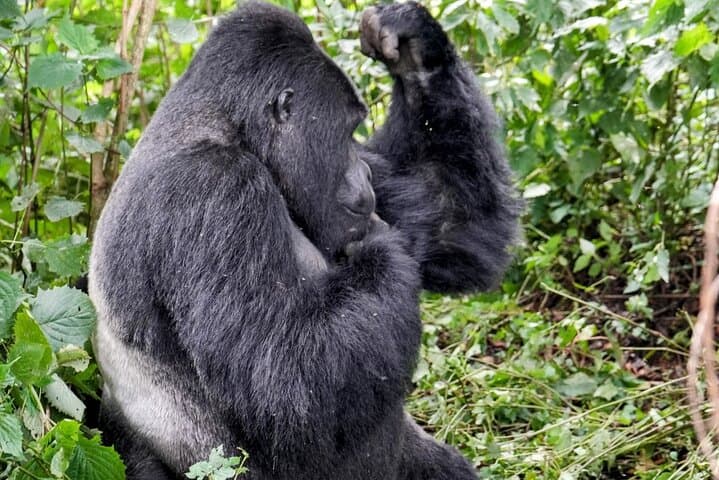
A compact three-day route from Kibale’s chimp-rich rainforest to Bwindi’s mountain gorillas, this private safari pairs efficient transfers with two of East Africa’s top primate encounters. Early starts, muddy trails and an hour face-to-face with gorillas make it a short but intense wildlife pilgrimage.
A compact three-day route from Kibale’s chimp-rich rainforest to Bwindi’s mountain gorillas, this private safari pairs efficient transfers with two of East Africa’s top primate encounters. Early starts, muddy trails and an hour face-to-face with gorillas make it a short but intense wildlife pilgrimage.
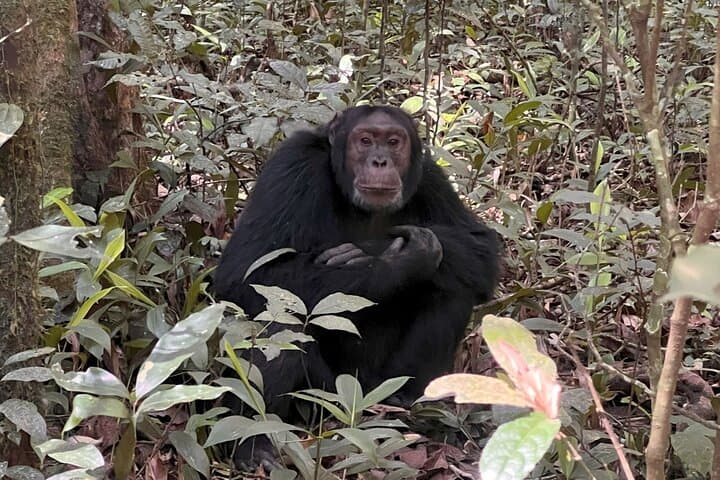
Dawn breaks over rolling tea hills as a private vehicle threads a narrow road toward Kibale Forest, the air cooling and thick with insect song. Walks here begin under a green ceiling: lianas swing slightly, birds converse, and chimpanzees move with a purposeful curiosity that can make you feel very small and very awake.
Verified experiences and guided adventures in the surrounding area.
Operated by Antique Safari Adventures · Buhoma, Kanungu District
Dawn breaks over rolling tea hills as a private vehicle threads a narrow road toward Kibale Forest, the air cooling and thick with insect song. Walks here begin under a green ceiling: lianas swing slightly, birds converse, and chimpanzees move with a purposeful curiosity that can make you feel very small and very awake.
Kibale sits on ancient volcanic soils that feed a wet, biodiverse rainforest long valued by local kingdoms and, more recently, by primatologists. The drive from Kibale into the Kigezi Highlands offers a visible transition—fertile farmland gives way to the steep, deeply dissected ridges around Bwindi Impenetrable Forest, where geological uplift and erosion have carved narrow valleys and created the dense montane habitat that supports mountain gorillas.
Culturally, this route passes villages of the Bakiga and Batooro peoples; small markets and roadside banana plantations speak to a subsistence rhythm that has coexisted with conservation efforts. Park rangers and community trackers play a central role in both protection and tourism livelihoods.
Practically, expect early starts, muddy, steep trails and physical unpredictability—chimp tracking often takes 2–5 hours; gorilla treks can range from 2 to 6+ hours depending on the group’s location. Permits and park briefings are included, lodges provide full board, and transport links this three-day arc between Entebbe arrival and Kigali departure.
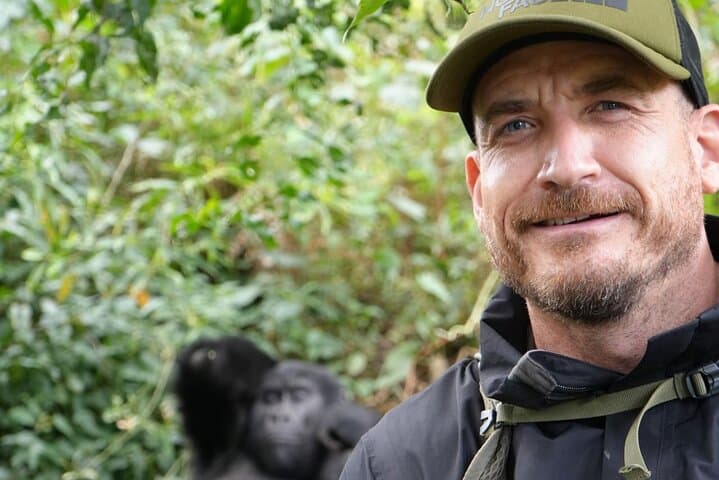
Bring sturdy boots, rain protection, and a layered system. Move deliberately: follow guides, keep voices low, maintain distance from primates, and allow an hour of quiet, focused observation when a group is found. This is an itinerary designed to deliver close encounters while minimizing impact—an intense, compact window into Uganda’s primate forests.
challenging.
3 days (daily treks 2–6+ hours).
Moderate to strong cardiovascular fitness with comfortable balance on steep, slippery trails; ability to hike uneven ground for several hours.
Yes—park entry permits for chimpanzee and gorilla tracking are included in the tour price.
Difficulty varies by group location; expect steep, muddy sections and treks lasting 2–6+ hours—moderate fitness is recommended.
Guides commonly speak English; many also know regional languages and are trained in primate behavior and park rules.
The itinerary ends with a road transfer to Kigali; this is convenient for international flights departing Rwanda that evening or the next day.
Bwindi’s forests have been recognized for protection since the late 20th century, with local communities increasingly involved in tourism revenue sharing and anti-poaching patrols.
Both parks rely on strict permit systems and ranger-led encounters to limit tourism impact; travelers should follow all park rules and support community-based conservation initiatives.
Antique Safari Adventures operates guided outdoor trips and adventures with an emphasis on safety, stewardship, and memorable experiences.
Dawn breaks over rolling tea hills as a private vehicle threads a narrow road toward Kibale Forest, the air cooling and thick with insect song. Walks here begin under a green ceiling: lianas swing slightly, birds converse, and chimpanzees move with a purposeful curiosity that can make you feel very small and very awake.
Dawn breaks over rolling tea hills as a private vehicle threads a narrow road toward Kibale Forest, the air cooling and thick with insect song. Walks here begin under a green ceiling: lianas swing slightly, birds converse, and chimpanzees move with a purposeful curiosity that can make you feel very small and very awake.
Kibale sits on ancient volcanic soils that feed a wet, biodiverse rainforest long valued by local kingdoms and, more recently, by primatologists. The drive from Kibale into the Kigezi Highlands offers a visible transition—fertile farmland gives way to the steep, deeply dissected ridges around Bwindi Impenetrable Forest, where geological uplift and erosion have carved narrow valleys and created the dense montane habitat that supports mountain gorillas.
Culturally, this route passes villages of the Bakiga and Batooro peoples; small markets and roadside banana plantations speak to a subsistence rhythm that has coexisted with conservation efforts. Park rangers and community trackers play a central role in both protection and tourism livelihoods.
Practically, expect early starts, muddy, steep trails and physical unpredictability—chimp tracking often takes 2–5 hours; gorilla treks can range from 2 to 6+ hours depending on the group’s location. Permits and park briefings are included, lodges provide full board, and transport links this three-day arc between Entebbe arrival and Kigali departure.
Bring sturdy boots, rain protection, and a layered system. Move deliberately: follow guides, keep voices low, maintain distance from primates, and allow an hour of quiet, focused observation when a group is found. This is an itinerary designed to deliver close encounters while minimizing impact—an intense, compact window into Uganda’s primate forests.