THE ADVENTURE COLLECTIVE® · Independent discovery and booking for outdoor travel

Spend three days moving from Xi'an to Sichuan’s cultural heart—meet giant pandas, hike Taoist trails on Mount Qingcheng, explore the ancient Dujiangyan irrigation, and view the colossal Leshan Giant Buddha by boat. This guided private tour combines wildlife, history and UNESCO-listed engineering.
Spend three days moving from Xi'an to Sichuan’s cultural heart—meet giant pandas, hike Taoist trails on Mount Qingcheng, explore the ancient Dujiangyan irrigation, and view the colossal Leshan Giant Buddha by boat. This guided private tour combines wildlife, history and UNESCO-listed engineering.
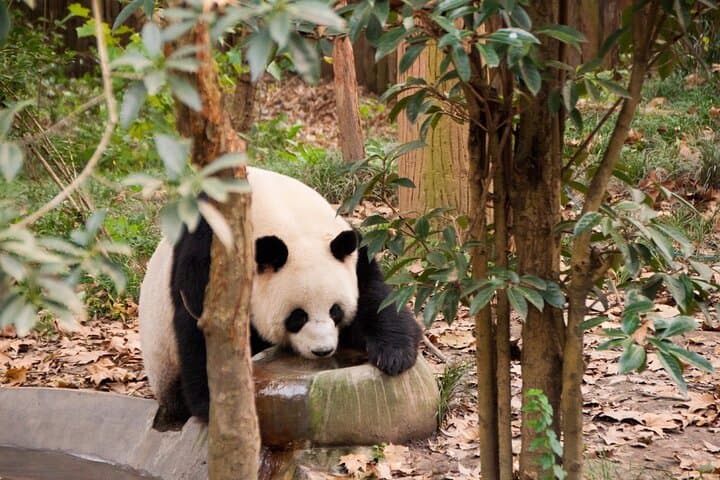
A predawn pickup in Xi'an sets the pace: you board a first-class bullet train as the plateau light softens, then descend into Sichuan's humid plain where tea steam and Sichuan pepper hang in the air. At Chengdu Research Base, panda enclosures feel alive—the animals methodically strip bamboo, blink, and climb, as if rehearsing patience for visitors.
Verified experiences and guided adventures in the surrounding area.
Operated by Beijing Tour Guide · Chengdu, Sichuan
A predawn pickup in Xi'an sets the pace: you board a first-class bullet train as the plateau light softens, then descend into Sichuan's humid plain where tea steam and Sichuan pepper hang in the air. At Chengdu Research Base, panda enclosures feel alive—the animals methodically strip bamboo, blink, and climb, as if rehearsing patience for visitors.
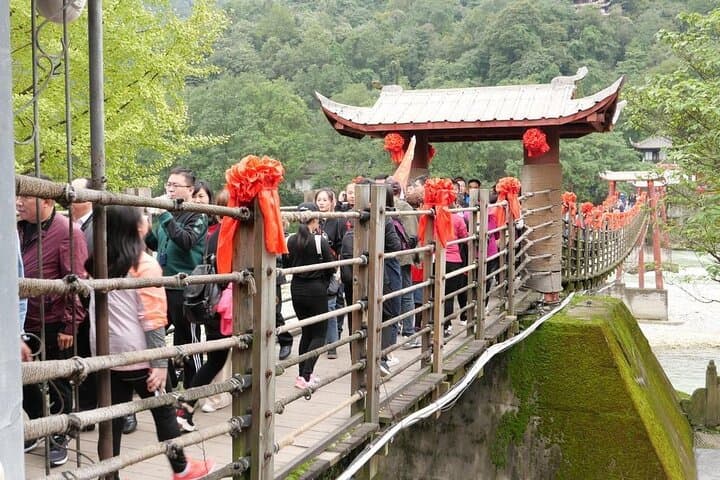
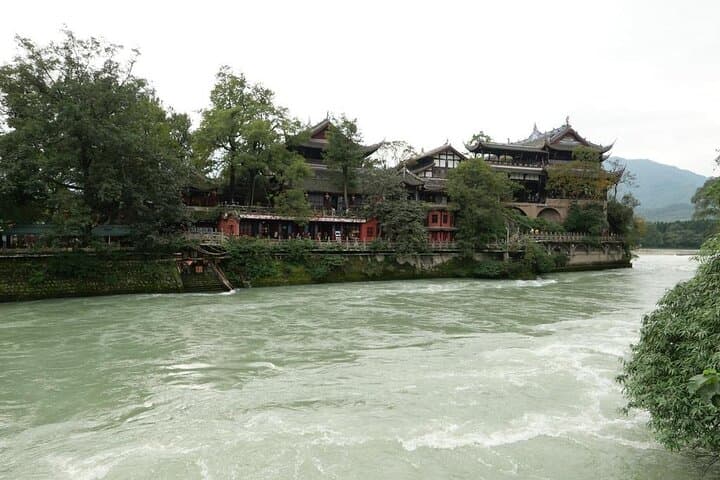
Over the next two days the itinerary moves through history and hydraulics. Mount Qingcheng's forested trails rise in shaded stone steps—this is one of Taoism's birthplaces, where temple roofs peek through laurel and cedar. The Dujiangyan irrigation system, engineered in antiquity, still directs the Min River's flow; its channels and spillways read like an ancient manual for living with water rather than damming it.
On the last day the Min River opens to reveal the Leshan Giant Buddha, a 71-meter Tang-dynasty colossus carved into a riverside cliff; a boat approach gives a cinematic, full-body view while a riverside walk reveals carved details and stairways.
Practical edge: expect several hours of on-foot exploration each day, many stone steps, and humid weather; the tour includes local lunches, bottled water, private transfers and first-class train fare. Bring sturdy shoes, a light rain layer, sun protection, and your passport for ticketing. Start early to catch wildlife activity and avoid midday crowds at temples and the Buddha. Respect enclosure rules at the panda base and stay on marked paths at Dujiangyan and Qingcheng to protect fragile sites.
moderate.
3 days.
Suitable for travelers with basic fitness—expect several hours of walking each day, stairs, and short uphill sections.
Yes—this tour includes a first-class bullet train ticket between Xi'an and Chengdu as stated in the itinerary.
You can observe pandas at close range on viewing platforms, but direct contact or feeding is not permitted to protect the animals.
Expect multiple periods of walking each day—stone steps, short uphill trails on Qingcheng and staircases at Leshan; total daily walking is moderate.
Local lunches, bottled water, private transfers, and a local guide are included; confirm any dietary needs when booking.
Mount Qingcheng is a major Taoist site while Dujiangyan was engineered in the 3rd century BCE to manage the Min River; Leshan Giant Buddha was carved during the Tang dynasty (713–803 CE).
The Chengdu Panda Base focuses on breeding and research—visitors should follow rules to minimize disturbance; stay on marked paths at Dujiangyan and Qingcheng to protect ancient engineering and ecosystems.
Beijing Tour Guide operates guided outdoor trips and adventures with an emphasis on safety, stewardship, and memorable experiences.
A predawn pickup in Xi'an sets the pace: you board a first-class bullet train as the plateau light softens, then descend into Sichuan's humid plain where tea steam and Sichuan pepper hang in the air. At Chengdu Research Base, panda enclosures feel alive—the animals methodically strip bamboo, blink, and climb, as if rehearsing patience for visitors.
A predawn pickup in Xi'an sets the pace: you board a first-class bullet train as the plateau light softens, then descend into Sichuan's humid plain where tea steam and Sichuan pepper hang in the air. At Chengdu Research Base, panda enclosures feel alive—the animals methodically strip bamboo, blink, and climb, as if rehearsing patience for visitors.
Over the next two days the itinerary moves through history and hydraulics. Mount Qingcheng's forested trails rise in shaded stone steps—this is one of Taoism's birthplaces, where temple roofs peek through laurel and cedar. The Dujiangyan irrigation system, engineered in antiquity, still directs the Min River's flow; its channels and spillways read like an ancient manual for living with water rather than damming it.
On the last day the Min River opens to reveal the Leshan Giant Buddha, a 71-meter Tang-dynasty colossus carved into a riverside cliff; a boat approach gives a cinematic, full-body view while a riverside walk reveals carved details and stairways.
Practical edge: expect several hours of on-foot exploration each day, many stone steps, and humid weather; the tour includes local lunches, bottled water, private transfers and first-class train fare. Bring sturdy shoes, a light rain layer, sun protection, and your passport for ticketing. Start early to catch wildlife activity and avoid midday crowds at temples and the Buddha. Respect enclosure rules at the panda base and stay on marked paths at Dujiangyan and Qingcheng to protect fragile sites.