THE ADVENTURE COLLECTIVE® · Independent discovery and booking for outdoor travel

A three-day circuit from Chengdu that pairs the Chengdu Panda Base with Tang‑era temples, the 71 m Leshan Giant Buddha and a half‑day walk on Mount Emei. Expect close panda encounters, tea village visits and an overnight in Baoguo Monastery.
A three-day circuit from Chengdu that pairs the Chengdu Panda Base with Tang‑era temples, the 71 m Leshan Giant Buddha and a half‑day walk on Mount Emei. Expect close panda encounters, tea village visits and an overnight in Baoguo Monastery.
Stepping out of Chengdu traffic into the cool hush of the Panda Base, the tour places you shoulder‑to‑shoulder with one of China’s best-known conservation efforts. Giant pandas amble and stretch in bamboo-lined enclosures while red pandas flit in the canopy—an intimate first morning that sets a gentle pace for the next two days.
Verified experiences and guided adventures in the surrounding area.
Operated by You Fun Travel · Chengdu, Sichuan
Stepping out of Chengdu traffic into the cool hush of the Panda Base, the tour places you shoulder‑to‑shoulder with one of China’s best-known conservation efforts. Giant pandas amble and stretch in bamboo-lined enclosures while red pandas flit in the canopy—an intimate first morning that sets a gentle pace for the next two days.
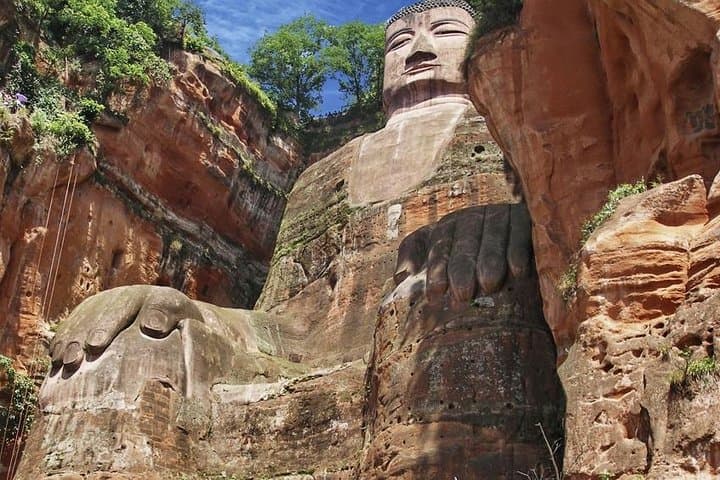
The route threads history and geology together: Wenshu Monastery dates to the Tang dynasty and remains a living Buddhist center; the Leshan Giant Buddha (about 71 m tall), carved into red sandstone at the confluence of three rivers between 713–803 CE, watches the riverbend below; Mount Emei rises to 3,099 m, its granite slopes cloaked in mixed evergreen and broadleaf forest and dotted with climbing monasteries.
Culturally the tour balances city life and village practice—calligraphy in a local studio, tea picking in hillside villages, and a night in Baoguo Monastery that gives a rare overnight in monastic accommodation. Expect local markets, Sichuan cuisine (hotpot featured), and hands‑on tea tasting that explain how terroir shapes Sichuan tea.
Practical guidance: visit the Panda Base early for most activity; bring layers and a waterproof for Emei (temperature drops significantly with elevation); wear sturdy walking shoes for uneven temple paths; carry small change for markets and temple donations. Physical demand is moderate—there’s walking and steps but options to ride buses or cable cars on Emei. The tour is a compact cultural loop for travelers seeking wildlife conservation, historic sites, and a taste of rural tea country without heavy technical requirements.
moderate.
3 days.
Light to moderate fitness; able to walk several hours with some stairs and uneven surfaces
Early morning is best—pandas are most active around feeding times, so aim for the first available visit slot at the Chengdu Base.
Expect basic monastery accommodations with simple beds and shared facilities; it’s a cultural experience rather than a boutique hotel stay.
No — the itinerary offers a moderate loop partway up with bus options to return or to reach higher temples and the summit if you prefer less walking.
Typical tour inclusions cover main site entrances listed in the itinerary (Panda Base, Wenshu, Leshan Buddha, Baoguo Monastery, Emei Mountain), but check the booking details for final confirmation.
The Leshan Giant Buddha was carved through the Tang dynasty (713–803 CE) into riverside rock; Mount Emei is one of China’s Four Sacred Buddhist Mountains with centuries of monastic history.
The Chengdu Panda Base focuses on captive breeding and reintroduction research; visitors are encouraged to follow guidelines to minimize disturbance and support local conservation efforts.
You Fun Travel operates guided outdoor trips and adventures with an emphasis on safety, stewardship, and memorable experiences.
Stepping out of Chengdu traffic into the cool hush of the Panda Base, the tour places you shoulder‑to‑shoulder with one of China’s best-known conservation efforts. Giant pandas amble and stretch in bamboo-lined enclosures while red pandas flit in the canopy—an intimate first morning that sets a gentle pace for the next two days.
Stepping out of Chengdu traffic into the cool hush of the Panda Base, the tour places you shoulder‑to‑shoulder with one of China’s best-known conservation efforts. Giant pandas amble and stretch in bamboo-lined enclosures while red pandas flit in the canopy—an intimate first morning that sets a gentle pace for the next two days.
The route threads history and geology together: Wenshu Monastery dates to the Tang dynasty and remains a living Buddhist center; the Leshan Giant Buddha (about 71 m tall), carved into red sandstone at the confluence of three rivers between 713–803 CE, watches the riverbend below; Mount Emei rises to 3,099 m, its granite slopes cloaked in mixed evergreen and broadleaf forest and dotted with climbing monasteries.
Culturally the tour balances city life and village practice—calligraphy in a local studio, tea picking in hillside villages, and a night in Baoguo Monastery that gives a rare overnight in monastic accommodation. Expect local markets, Sichuan cuisine (hotpot featured), and hands‑on tea tasting that explain how terroir shapes Sichuan tea.
Practical guidance: visit the Panda Base early for most activity; bring layers and a waterproof for Emei (temperature drops significantly with elevation); wear sturdy walking shoes for uneven temple paths; carry small change for markets and temple donations. Physical demand is moderate—there’s walking and steps but options to ride buses or cable cars on Emei. The tour is a compact cultural loop for travelers seeking wildlife conservation, historic sites, and a taste of rural tea country without heavy technical requirements.