THE ADVENTURE COLLECTIVE® · Independent discovery and booking for outdoor travel

Spend three days diving six iconic cenotes near Playa del Carmen, moving from sunlit chambers at Chac Mool to the twin caverns of Dos Ojos. Small groups, two tanks per day, and expert guides showcase stalactites, haloclines and dramatic light shafts.
Spend three days diving six iconic cenotes near Playa del Carmen, moving from sunlit chambers at Chac Mool to the twin caverns of Dos Ojos. Small groups, two tanks per day, and expert guides showcase stalactites, haloclines and dramatic light shafts.
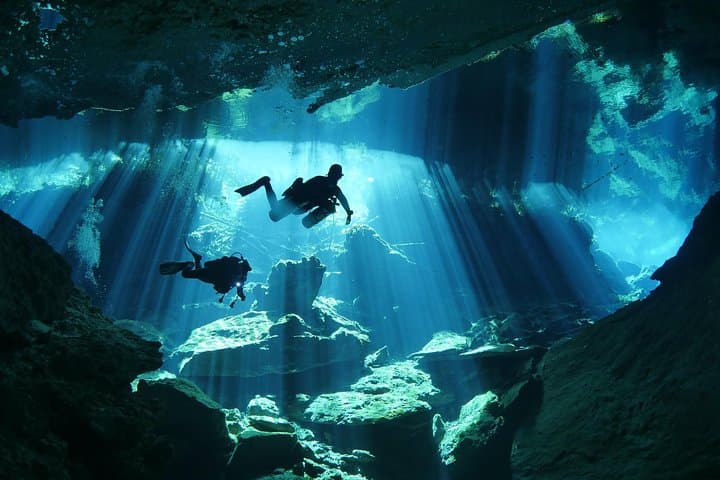
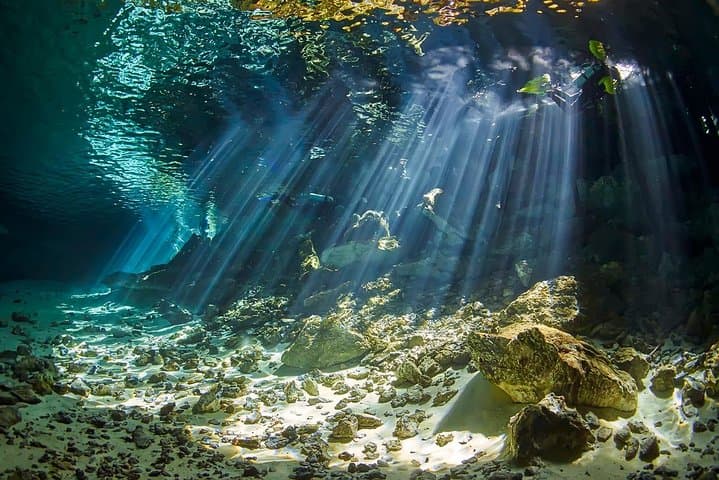
You step off the van into a shaft of tropical light and the limestone rim breathes cold air that dares you forward. The first plunge at Chac Mool slices through honey-clear water into rooms where stalactites hang like aged chandeliers and columns trace the passage of time. Over three days you move from shallow, cathedral-like chambers to shadowed galleries where light becomes a directional thing — a tool that paints caverns and reveals haloclines where fresh and salt water meet.
Verified experiences and guided adventures in the surrounding area.
Operated by Diversland Mexico · Playa del Carmen, Quintana Roo
You step off the van into a shaft of tropical light and the limestone rim breathes cold air that dares you forward. The first plunge at Chac Mool slices through honey-clear water into rooms where stalactites hang like aged chandeliers and columns trace the passage of time. Over three days you move from shallow, cathedral-like chambers to shadowed galleries where light becomes a directional thing — a tool that paints caverns and reveals haloclines where fresh and salt water meet.
These cenotes are part of the Yucatán’s exposed karst system: collapsed sinkholes and flooded cave networks formed as rain dissolved limestone over hundreds of thousands of years. Maya communities historically used many cenotes for freshwater and ritual offerings; today local dive operators blend modern safety practices with respect for these cultural sites.
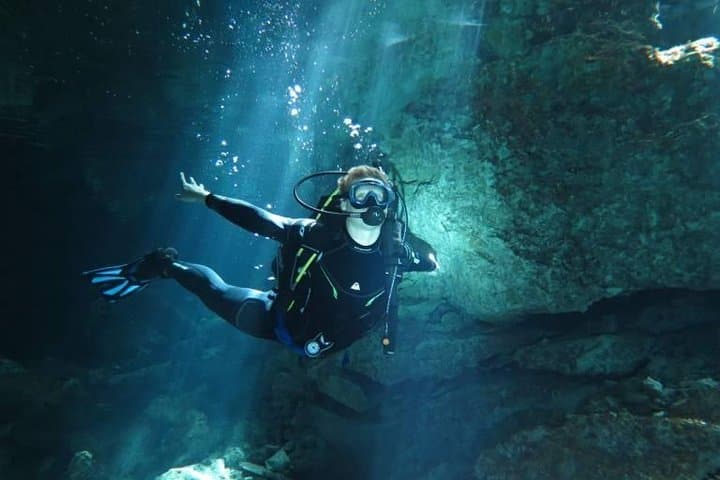
Practicalities are crisp: the package schedules two dives per day, small guide-to-diver ratios (max four in cenote sections), and hotel pickup from Playa del Carmen. Evidence of Open Water certification is required and minimum age is 15. Expect steady visibility, water around the mid-20s°C, and a recommended 3–5mm wetsuit; lights, weights and tanks are provided. Avoid flying within 24 hours of your last dive and complete the required medical questionnaire honestly.
On the water you’ll trade ordinary dive markers for architectural features — vaults of stone, delicate soda straws, and shafts of light that make the water look like glass. Move deliberately, manage buoyancy, and let the caves tell you where to look.
moderate.
3 days.
Suitable for divers with basic fitness — you should be comfortable carrying gear and making multiple dives in one day.
Yes — evidence of Open Water (or equivalent) certification is required for all divers; the operator asks to see your certification before diving.
Beginners with Open Water certification can participate but should be comfortable with buoyancy control and follow the guide; cavern sections may feel confined compared with open-water dives.
Minimum age is 15; medical disclosure is required and some conditions (cardiac, serious respiratory, pregnancy) may preclude participation—consult your doctor if unsure.
Days typically start between 7–9am and return by early afternoon; two tanks per day, weights, belts, snacks, bottled water and hotel transfers are provided.
Many cenotes in the Yucatán were freshwater sources and held ritual importance for Maya communities; archaeological finds from some sites underline their cultural role.
Operators limit group sizes, store and dry equipment at the dive center, and ask visitors to avoid lotions and sunscreens to protect water quality and delicate formations.
Diversland Mexico operates guided outdoor trips and adventures with an emphasis on safety, stewardship, and memorable experiences.
You step off the van into a shaft of tropical light and the limestone rim breathes cold air that dares you forward. The first plunge at Chac Mool slices through honey-clear water into rooms where stalactites hang like aged chandeliers and columns trace the passage of time. Over three days you move from shallow, cathedral-like chambers to shadowed galleries where light becomes a directional thing — a tool that paints caverns and reveals haloclines where fresh and salt water meet.
You step off the van into a shaft of tropical light and the limestone rim breathes cold air that dares you forward. The first plunge at Chac Mool slices through honey-clear water into rooms where stalactites hang like aged chandeliers and columns trace the passage of time. Over three days you move from shallow, cathedral-like chambers to shadowed galleries where light becomes a directional thing — a tool that paints caverns and reveals haloclines where fresh and salt water meet.
These cenotes are part of the Yucatán’s exposed karst system: collapsed sinkholes and flooded cave networks formed as rain dissolved limestone over hundreds of thousands of years. Maya communities historically used many cenotes for freshwater and ritual offerings; today local dive operators blend modern safety practices with respect for these cultural sites.
Practicalities are crisp: the package schedules two dives per day, small guide-to-diver ratios (max four in cenote sections), and hotel pickup from Playa del Carmen. Evidence of Open Water certification is required and minimum age is 15. Expect steady visibility, water around the mid-20s°C, and a recommended 3–5mm wetsuit; lights, weights and tanks are provided. Avoid flying within 24 hours of your last dive and complete the required medical questionnaire honestly.
On the water you’ll trade ordinary dive markers for architectural features — vaults of stone, delicate soda straws, and shafts of light that make the water look like glass. Move deliberately, manage buoyancy, and let the caves tell you where to look.