THE ADVENTURE COLLECTIVE® · Independent discovery and booking for outdoor travel

Three days through Cao Bang take you from Pac Bo’s historic streams to the thunder of Ban Gioc Waterfall and the peculiar ring of Angel Eye Mountain. This circuit blends karst geology, ethnic village culture, and hands-on homestay time—all accessible without technical hiking.
Three days through Cao Bang take you from Pac Bo’s historic streams to the thunder of Ban Gioc Waterfall and the peculiar ring of Angel Eye Mountain. This circuit blends karst geology, ethnic village culture, and hands-on homestay time—all accessible without technical hiking.
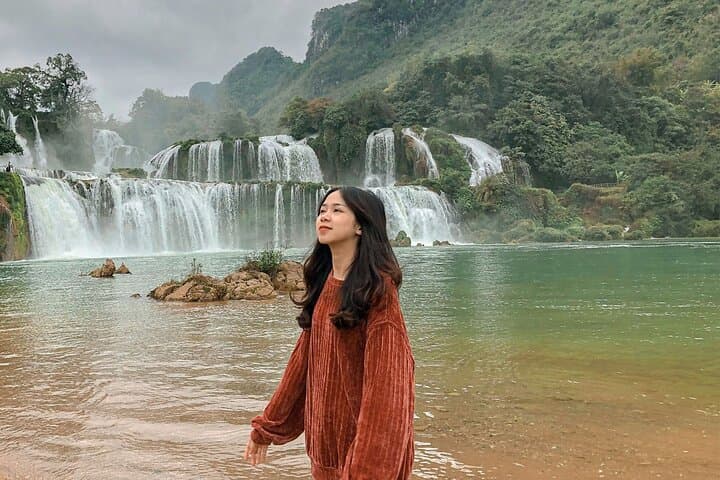
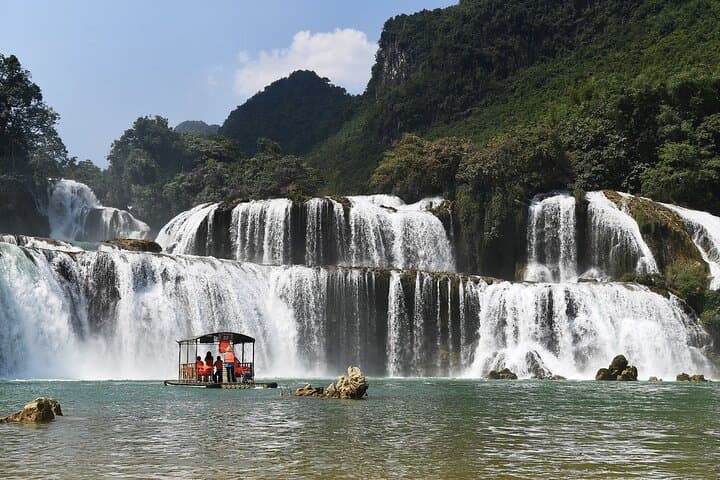
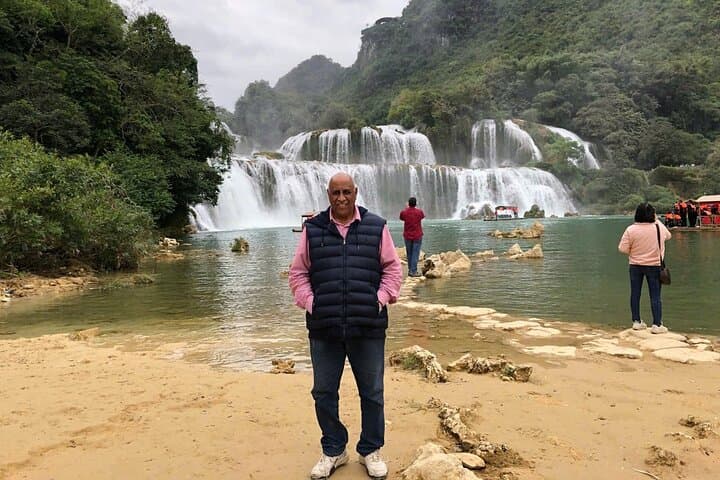
Morning mist lifts off the river as the bus cuts through limestone ridges and terraced fields—by the time you glimpse Ban Gioc the sound of water has already filled the air. Over three days this circuit moves from Hanoi’s bustle into Cao Bang’s raw edge: karst towers, river gorges, and grasslands that open like a held breath.
Verified experiences and guided adventures in the surrounding area.
Operated by LOCAL TOURS VIETNAM · Cao Bang, Cao Bang Province
Morning mist lifts off the river as the bus cuts through limestone ridges and terraced fields—by the time you glimpse Ban Gioc the sound of water has already filled the air. Over three days this circuit moves from Hanoi’s bustle into Cao Bang’s raw edge: karst towers, river gorges, and grasslands that open like a held breath.
The route threads historical sites like Pac Bo, where Ho Chi Minh lived in exile, with geological spectacles such as Angel Eye Mountain, a circular karst formation shaped by millennia of erosion. Cultural stops include incense-making in Phia Thap and homestay evenings in Khuoi Ky, offering direct contact with Tay and H’mong village life. Nguom Ngao Cave’s cool passages (roughly 1–2 km visitor route) contrast with the open roar of Thác Bản Giốc on the China border.
Expect long road stretches—Hanoi to Cao Bang is an overnight bus segment—followed by short, mostly easy walks to viewpoints, cave entrances, and riverside tracks. Terrain: paved roads, dirt tracks, stair access at some sites, and flat riverside trails at Ban Gioc. Prepare for variable weather: rain can make dirt roads slick, and mornings are often foggy.
Practical tips: carry local currency for remote vendors, bring a rain shell and sturdy footwear, and schedule afternoon visits to the falls for softer light. The tour balances relaxed cultural immersion with light outdoor moving—ideal for travelers wanting active sightseeing without technical hiking. Leave-no-trace practices help keep these fragile karst landscapes vibrant for the next group to explore.
moderate.
3 days.
Suitable for travelers in average fitness: short walks, stairs, and some standing at viewpoints but no technical hiking required.
The tour includes an overnight bus segment of roughly 6–7 hours each way depending on traffic and stops.
No special permit is required for visiting Ban Gioc from the Vietnamese side; the waterfall sits on the border but the tour operates within Vietnam.
Accommodations alternate between a standard hotel in Cao Bang City and a simple local homestay near Ban Gioc with shared facilities and local meals.
Yes—pacing is gentle and physical demands are light, but long bus transfers may be challenging for very young children or travelers with mobility issues.
Pac Bo is historically important as the place where Ho Chi Minh lived and organized after returning to Vietnam in 1941; the border area around Ban Gioc has long been a frontier zone between Vietnam and China.
Karst ecosystems and freshwater habitats are sensitive to erosion and litter; support local homestays and follow leave-no-trace practices to reduce impact.
LOCAL TOURS VIETNAM operates guided outdoor trips and adventures with an emphasis on safety, stewardship, and memorable experiences.

Morning mist lifts off the river as the bus cuts through limestone ridges and terraced fields—by the time you glimpse Ban Gioc the sound of water has already filled the air. Over three days this circuit moves from Hanoi’s bustle into Cao Bang’s raw edge: karst towers, river gorges, and grasslands that open like a held breath.
Morning mist lifts off the river as the bus cuts through limestone ridges and terraced fields—by the time you glimpse Ban Gioc the sound of water has already filled the air. Over three days this circuit moves from Hanoi’s bustle into Cao Bang’s raw edge: karst towers, river gorges, and grasslands that open like a held breath.
The route threads historical sites like Pac Bo, where Ho Chi Minh lived in exile, with geological spectacles such as Angel Eye Mountain, a circular karst formation shaped by millennia of erosion. Cultural stops include incense-making in Phia Thap and homestay evenings in Khuoi Ky, offering direct contact with Tay and H’mong village life. Nguom Ngao Cave’s cool passages (roughly 1–2 km visitor route) contrast with the open roar of Thác Bản Giốc on the China border.
Expect long road stretches—Hanoi to Cao Bang is an overnight bus segment—followed by short, mostly easy walks to viewpoints, cave entrances, and riverside tracks. Terrain: paved roads, dirt tracks, stair access at some sites, and flat riverside trails at Ban Gioc. Prepare for variable weather: rain can make dirt roads slick, and mornings are often foggy.
Practical tips: carry local currency for remote vendors, bring a rain shell and sturdy footwear, and schedule afternoon visits to the falls for softer light. The tour balances relaxed cultural immersion with light outdoor moving—ideal for travelers wanting active sightseeing without technical hiking. Leave-no-trace practices help keep these fragile karst landscapes vibrant for the next group to explore.