THE ADVENTURE COLLECTIVE® · Independent discovery and booking for outdoor travel

Three days of karst ridges, revolutionary history and the thunder of Ban Gioc waterfall—this Cao Bang circuit stitches homestays, caves and border rivers into a compact frontier escape. Read on for what to expect, when to go and how to pack.
Three days of karst ridges, revolutionary history and the thunder of Ban Gioc waterfall—this Cao Bang circuit stitches homestays, caves and border rivers into a compact frontier escape. Read on for what to expect, when to go and how to pack.
Dawn on the third day finds you at the edge of a river that seems to be testing your resolve—water hurries and foams, carving the border between two countries. On this 3-day circuit through Cao Bang, limestone ridges loom like old guards while terraced fields slide down to meet narrow lanes; the landscape moves as you do, shifting from quiet villages to the thunder of Thác Bản Giốc.
Verified experiences and guided adventures in the surrounding area.
Operated by Authentic SAPA · Cao Bang, Cao Bang Province
Dawn on the third day finds you at the edge of a river that seems to be testing your resolve—water hurries and foams, carving the border between two countries. On this 3-day circuit through Cao Bang, limestone ridges loom like old guards while terraced fields slide down to meet narrow lanes; the landscape moves as you do, shifting from quiet villages to the thunder of Thác Bản Giốc.
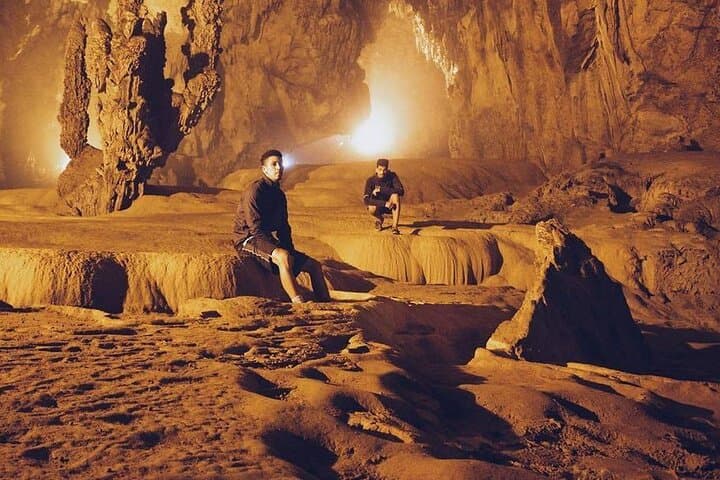
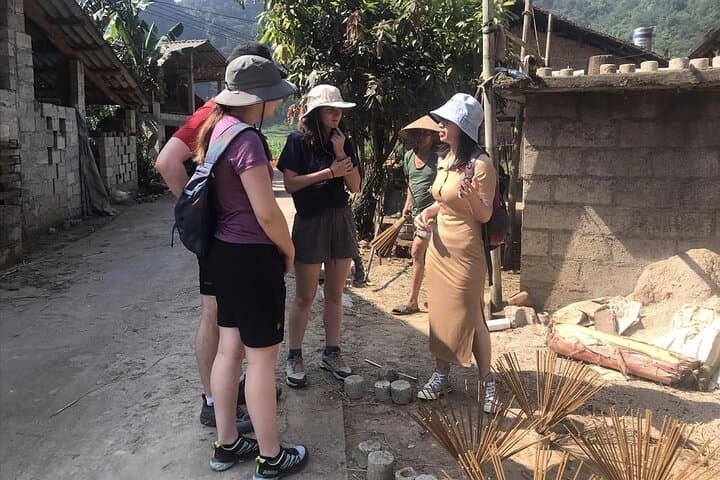
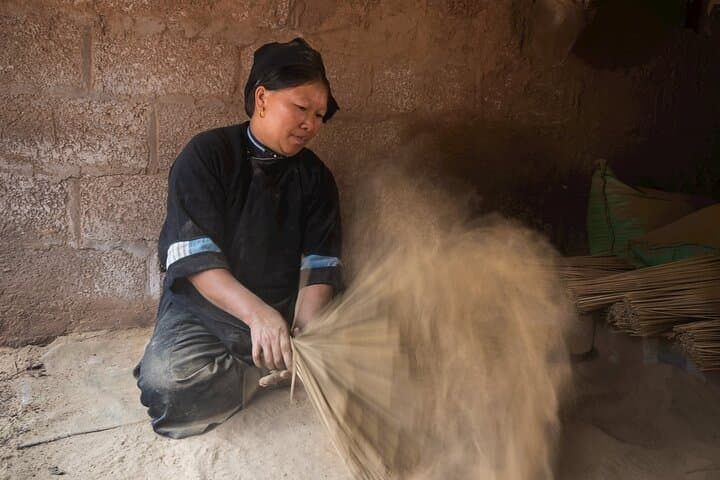
The route threads together revolutionary history at Pác Bó—where Ho Chi Minh staged early operations—with millennia of karst geology that sculpted caves like Ngườm Ngao and the circular gap of Angel Eye Mountain. Ethnic Tay, Nung and H’mong communities farm and make incense in Phia Thập, preserving techniques and rhythms that feel older than the asphalt road. Culture here is hands-on: homestays, simple shared meals, and market stalls stacked with rice paper and smoked pork.
Expect moderate, low-impact hiking, short village walks, cave passages and river-side viewpoints rather than technical climbing. Weather can flip fast; rain brings mist into the valleys and amplifies waterfalls. Plan for early starts and long but scenic bus transfers between stops. Bring layered clothing, a sturdy pair of walking shoes, insect protection and a daypack for camera gear and water.
Practical notes: entrance fees and most meals are typically included on packaged circuits; phone signal is patchy outside Cao Bang town. Move deliberately, respect local customs at homestays and temples, and leave no trace—these valleys recover slowly but react quickly to footprinted waste.
easy.
3 days (approx. 72 hours).
Suitable for travelers in average fitness; expect short village hikes and some uneven cave paths.
Most packaged tours include round-trip bus or limousine transfers between Hanoi and Cao Bang as listed in the itinerary.
Yes; the standard package typically includes breakfasts, lunches and two dinners as specified in the itinerary.
Accommodation alternates between a local hotel in Cao Bang city and a homestay near Ban Gioc; expect simple but clean rooms and shared facilities at homestays.
The tour is rated easy and suitable for most ages, but it’s not recommended for travelers with serious cardiovascular or spinal conditions; check specific restrictions before booking.
Pác Bó is historically significant as a base where Ho Chi Minh returned in 1941; the site combines political history with natural springs and caves.
The karst landscapes and river systems are fragile—avoid single-use plastics, stay on marked paths and follow homestay guidance to minimize impact.
Authentic SAPA operates guided outdoor trips and adventures with an emphasis on safety, stewardship, and memorable experiences.
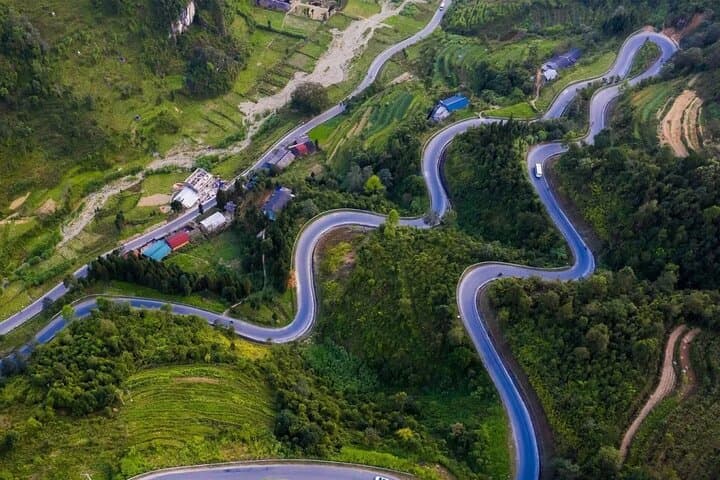
Dawn on the third day finds you at the edge of a river that seems to be testing your resolve—water hurries and foams, carving the border between two countries. On this 3-day circuit through Cao Bang, limestone ridges loom like old guards while terraced fields slide down to meet narrow lanes; the landscape moves as you do, shifting from quiet villages to the thunder of Thác Bản Giốc.
Dawn on the third day finds you at the edge of a river that seems to be testing your resolve—water hurries and foams, carving the border between two countries. On this 3-day circuit through Cao Bang, limestone ridges loom like old guards while terraced fields slide down to meet narrow lanes; the landscape moves as you do, shifting from quiet villages to the thunder of Thác Bản Giốc.
The route threads together revolutionary history at Pác Bó—where Ho Chi Minh staged early operations—with millennia of karst geology that sculpted caves like Ngườm Ngao and the circular gap of Angel Eye Mountain. Ethnic Tay, Nung and H’mong communities farm and make incense in Phia Thập, preserving techniques and rhythms that feel older than the asphalt road. Culture here is hands-on: homestays, simple shared meals, and market stalls stacked with rice paper and smoked pork.
Expect moderate, low-impact hiking, short village walks, cave passages and river-side viewpoints rather than technical climbing. Weather can flip fast; rain brings mist into the valleys and amplifies waterfalls. Plan for early starts and long but scenic bus transfers between stops. Bring layered clothing, a sturdy pair of walking shoes, insect protection and a daypack for camera gear and water.
Practical notes: entrance fees and most meals are typically included on packaged circuits; phone signal is patchy outside Cao Bang town. Move deliberately, respect local customs at homestays and temples, and leave no trace—these valleys recover slowly but react quickly to footprinted waste.