THE ADVENTURE COLLECTIVE® · Independent discovery and booking for outdoor travel

A three-day loop from Hanoi to Cao Bang mixes dramatic karst scenery, cultural stops and the multi-tiered Ban Gioc waterfall. Practical route logistics and local insights help you prepare for wet rocks, cave passages and authentic homestays.
A three-day loop from Hanoi to Cao Bang mixes dramatic karst scenery, cultural stops and the multi-tiered Ban Gioc waterfall. Practical route logistics and local insights help you prepare for wet rocks, cave passages and authentic homestays.
You leave Hanoi before dawn aboard a comfortable limousine bus, the city’s hum shrinking as the road lifts into limestone ridges and rice paddies. By midafternoon the Quây Sơn River appears like a ribbon marking the frontier, and the roar of Thác Bản Giốc grows until the falls demand your attention — water tumbling in tiers that push mist into the air and dare you closer.
Verified experiences and guided adventures in the surrounding area.
Operated by Authentic Travel VIETNAM · Cao Bang, Cao Bang Province
You leave Hanoi before dawn aboard a comfortable limousine bus, the city’s hum shrinking as the road lifts into limestone ridges and rice paddies. By midafternoon the Quây Sơn River appears like a ribbon marking the frontier, and the roar of Thác Bản Giốc grows until the falls demand your attention — water tumbling in tiers that push mist into the air and dare you closer.
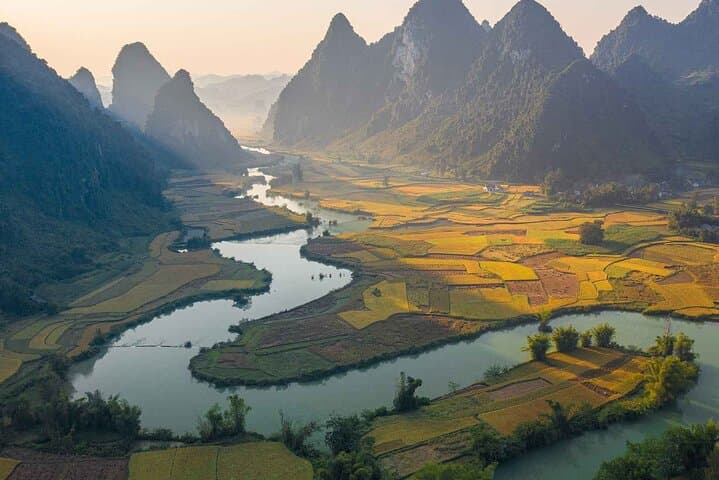
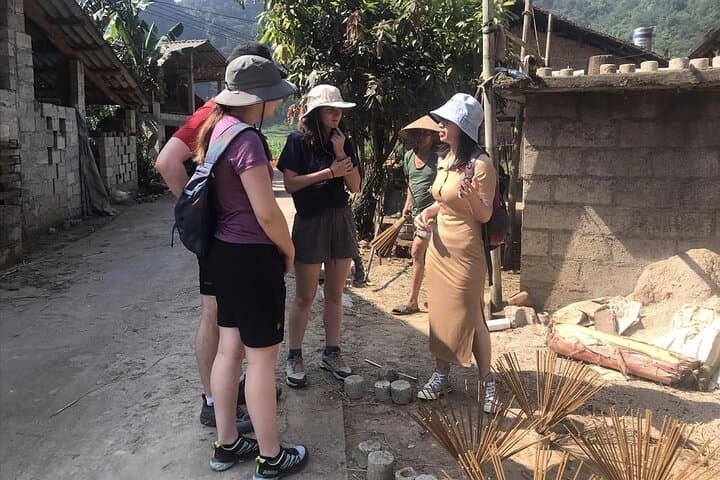
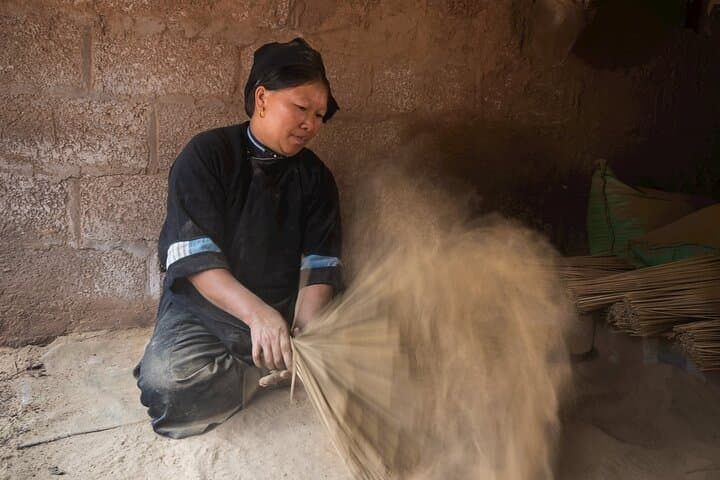
This circuit ties geology and history together: karst towers sculpted over millions of years, caves like Ngườm Ngao dripping with stalactites, and Pac Bo — the cave and stream where Ho Chi Minh lived on his return — offering a quiet historical pause. Local Tay and H’mong villages, incense-makers in Phia Thap and the rolling green of Đồi Cỏ Vinh Quy show a living rural culture shaped by seasonal farming and cross-border trade.
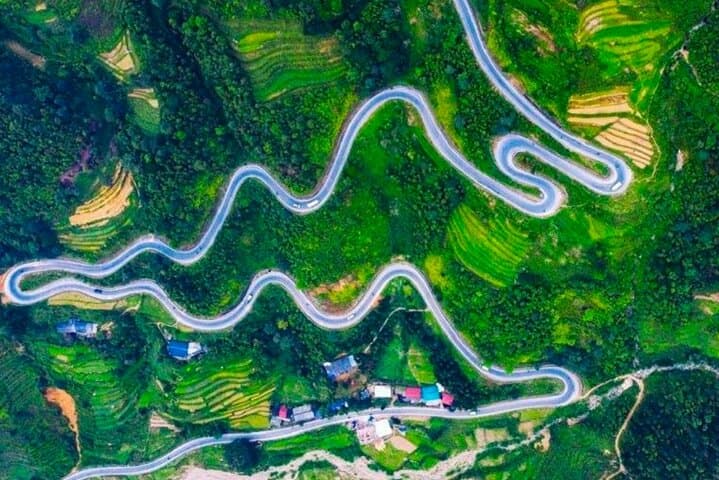
Expect a mix of paved drives, short walks to viewpoints, cave steps, and homestay nights where food is simple and local. The itinerary balances highlights (Ban Gioc, Ngườm Ngao, Pac Bo) with cultural stops (incense village, hilltop pagoda) and a couple of moderate drives through narrow mountain passes such as Ma Phuc.
Practical guidance: bring sturdy, grippy shoes for wet stone and cave floors, a light rain jacket, and cash for remote stalls. Travel days are long — hydrate and keep a power bank charged. Respect homestay customs and ask before photographing people. For clearer light at the falls aim for morning or late afternoon; for cooler temperatures plan outside midsummer’s heat.
easy.
3 days.
Suitable for travelers in average fitness—short hikes and cave steps are required but nothing technical.
Most international travelers will need a Vietnamese visa — check your nationality’s requirements before booking; entry requirements can change.
No — the itinerary is classified easy: expect short walks, cave steps and some stairs, but no technical hiking.
Swimming at the base of Ban Gioc is not generally recommended due to currents and border proximity; follow local guidance and signage.
Carry Vietnamese dong for small purchases; mobile coverage exists in towns but can be patchy near remote viewpoints.
Pac Bo is historically significant as the site where Ho Chi Minh returned to Vietnam and lived briefly; Ban Gioc lies on the Vietnam–China border and has long been an important local landmark.
Ban Gioc and surrounding karst habitats are fragile; avoid littering, stick to marked paths and support local homestays and small businesses to help sustainable tourism.
Authentic Travel VIETNAM operates guided outdoor trips and adventures with an emphasis on safety, stewardship, and memorable experiences.
You leave Hanoi before dawn aboard a comfortable limousine bus, the city’s hum shrinking as the road lifts into limestone ridges and rice paddies. By midafternoon the Quây Sơn River appears like a ribbon marking the frontier, and the roar of Thác Bản Giốc grows until the falls demand your attention — water tumbling in tiers that push mist into the air and dare you closer.
You leave Hanoi before dawn aboard a comfortable limousine bus, the city’s hum shrinking as the road lifts into limestone ridges and rice paddies. By midafternoon the Quây Sơn River appears like a ribbon marking the frontier, and the roar of Thác Bản Giốc grows until the falls demand your attention — water tumbling in tiers that push mist into the air and dare you closer.
This circuit ties geology and history together: karst towers sculpted over millions of years, caves like Ngườm Ngao dripping with stalactites, and Pac Bo — the cave and stream where Ho Chi Minh lived on his return — offering a quiet historical pause. Local Tay and H’mong villages, incense-makers in Phia Thap and the rolling green of Đồi Cỏ Vinh Quy show a living rural culture shaped by seasonal farming and cross-border trade.
Expect a mix of paved drives, short walks to viewpoints, cave steps, and homestay nights where food is simple and local. The itinerary balances highlights (Ban Gioc, Ngườm Ngao, Pac Bo) with cultural stops (incense village, hilltop pagoda) and a couple of moderate drives through narrow mountain passes such as Ma Phuc.
Practical guidance: bring sturdy, grippy shoes for wet stone and cave floors, a light rain jacket, and cash for remote stalls. Travel days are long — hydrate and keep a power bank charged. Respect homestay customs and ask before photographing people. For clearer light at the falls aim for morning or late afternoon; for cooler temperatures plan outside midsummer’s heat.