THE ADVENTURE COLLECTIVE® · Independent discovery and booking for outdoor travel

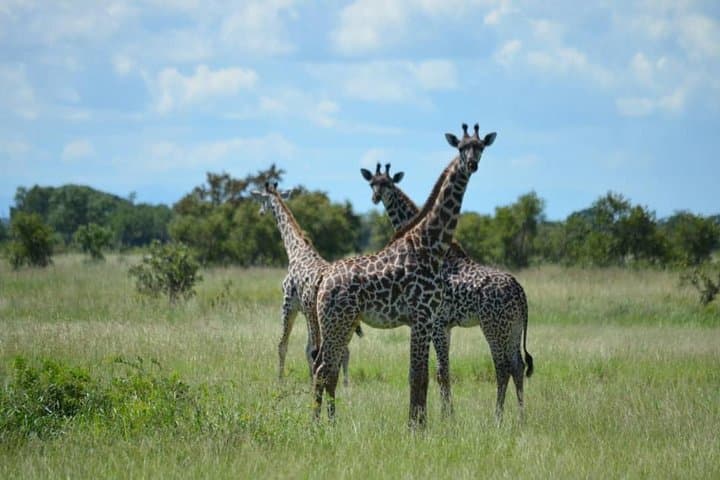
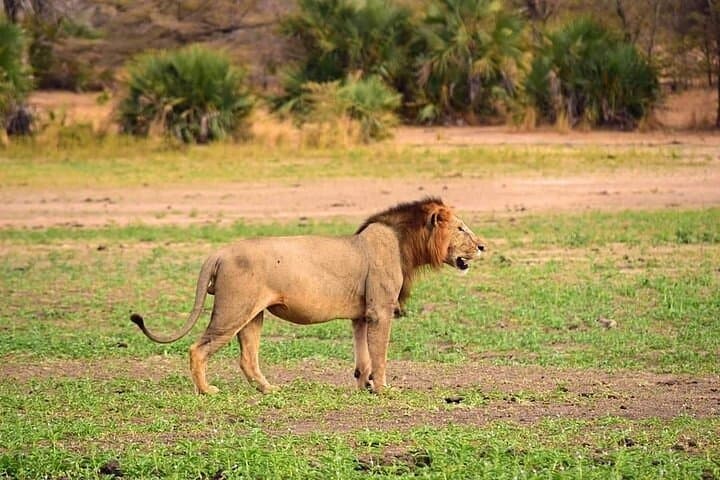
Drive from Dar es Salaam into Mkata Plain and spend three days camping and game driving through Mikumi National Park. Expect close-ups of elephants, giraffes, lions at dawn, and nights alive with hyena and hippo calls.
Drive from Dar es Salaam into Mkata Plain and spend three days camping and game driving through Mikumi National Park. Expect close-ups of elephants, giraffes, lions at dawn, and nights alive with hyena and hippo calls.
A red dust road unspools out of Dar es Salaam and, six hours later, opens onto the wide Mkata Plain where grasslands stretch like an ocean and acacia silhouettes lean into the light. On arrival at Mikumi National Park the air tastes of dry leaves and earth; elephants move through dawn like deliberate ships and hippo dams dare you to come closer with the low, watery murmurs of their territory.
Verified experiences and guided adventures in the surrounding area.
Operated by Safaris Partners · Mikumi, Morogoro Region
A red dust road unspools out of Dar es Salaam and, six hours later, opens onto the wide Mkata Plain where grasslands stretch like an ocean and acacia silhouettes lean into the light. On arrival at Mikumi National Park the air tastes of dry leaves and earth; elephants move through dawn like deliberate ships and hippo dams dare you to come closer with the low, watery murmurs of their territory.
Mikumi was set aside as a protected area in the mid-20th century to conserve the transitional savannah of southern Tanzania. Geologically the park sits on the coastal plain with sudden folds of low hills and riverine corridors that shape wildlife movement. The human story here is practical—pastoral routes and small market towns in Morogoro Region that supply guides and rangers who know each watering hole by name.
This three-day camping safari balances long, open drives with slow, patient stops for photos and binocular scanning. Expect guided game drives at dusk and dawn, nights in simple bandas or tents inside the park, and the constant soundtrack of animals beyond the campsite—hyena calls, occasional lion roars.
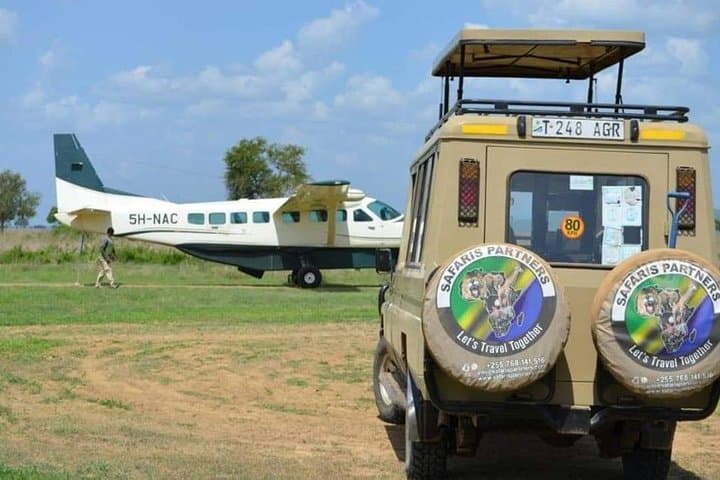
Practical guidance: pack for heat by day and cool nights, bring malaria precautions and strong sun protection, and prioritize camera batteries and a good zoom lens. Roads can be rough after rains, so flexible timing is essential. Guides drive pop-up roof jeeps to give clean sightlines; patience rewards you in Mikumi, where visibility and the park’s flat plains make for reliably memorable wildlife encounters.
easy.
3 days (≈72 hours).
Suitable for most fitness levels; involves long vehicle hours with short walks around campsites and lodges.
Expect about 5–6 hours on the road depending on traffic and stops; the itinerary includes a lunch break in Morogoro town.
Camping in tents or simple bandas inside the park; basic facilities are typical and meals are included as per the itinerary.
Yes—Mikumi’s open Mkata Plain and riverine areas consistently host elephants, lions, giraffes, zebras and many plains species; sightings are frequent but never guaranteed.
Malaria is present in the region—consult a travel clinic about prophylaxis and bring insect repellent; routine vaccinations should be up to date.
The park was established in the 1960s to protect the Mkata floodplain and its classic savannah wildlife corridors within Morogoro Region.
Mikumi faces pressures from seasonal grazing and surrounding land use; responsible tourism, proper waste management, and respecting park boundaries help reduce impacts.
Safaris Partners operates guided outdoor trips and adventures with an emphasis on safety, stewardship, and memorable experiences.
A red dust road unspools out of Dar es Salaam and, six hours later, opens onto the wide Mkata Plain where grasslands stretch like an ocean and acacia silhouettes lean into the light. On arrival at Mikumi National Park the air tastes of dry leaves and earth; elephants move through dawn like deliberate ships and hippo dams dare you to come closer with the low, watery murmurs of their territory.
A red dust road unspools out of Dar es Salaam and, six hours later, opens onto the wide Mkata Plain where grasslands stretch like an ocean and acacia silhouettes lean into the light. On arrival at Mikumi National Park the air tastes of dry leaves and earth; elephants move through dawn like deliberate ships and hippo dams dare you to come closer with the low, watery murmurs of their territory.
Mikumi was set aside as a protected area in the mid-20th century to conserve the transitional savannah of southern Tanzania. Geologically the park sits on the coastal plain with sudden folds of low hills and riverine corridors that shape wildlife movement. The human story here is practical—pastoral routes and small market towns in Morogoro Region that supply guides and rangers who know each watering hole by name.
This three-day camping safari balances long, open drives with slow, patient stops for photos and binocular scanning. Expect guided game drives at dusk and dawn, nights in simple bandas or tents inside the park, and the constant soundtrack of animals beyond the campsite—hyena calls, occasional lion roars.
Practical guidance: pack for heat by day and cool nights, bring malaria precautions and strong sun protection, and prioritize camera batteries and a good zoom lens. Roads can be rough after rains, so flexible timing is essential. Guides drive pop-up roof jeeps to give clean sightlines; patience rewards you in Mikumi, where visibility and the park’s flat plains make for reliably memorable wildlife encounters.