THE ADVENTURE COLLECTIVE® · Independent discovery and booking for outdoor travel

Ride camels across Erg Chebbi, spend two nights in Berber nomad tents, and watch sunrise from the highest dunes. This three-day itinerary blends cultural visits with hands-on desert time—ideal for travelers seeking a straightforward, immersive Sahara experience.
Ride camels across Erg Chebbi, spend two nights in Berber nomad tents, and watch sunrise from the highest dunes. This three-day itinerary blends cultural visits with hands-on desert time—ideal for travelers seeking a straightforward, immersive Sahara experience.
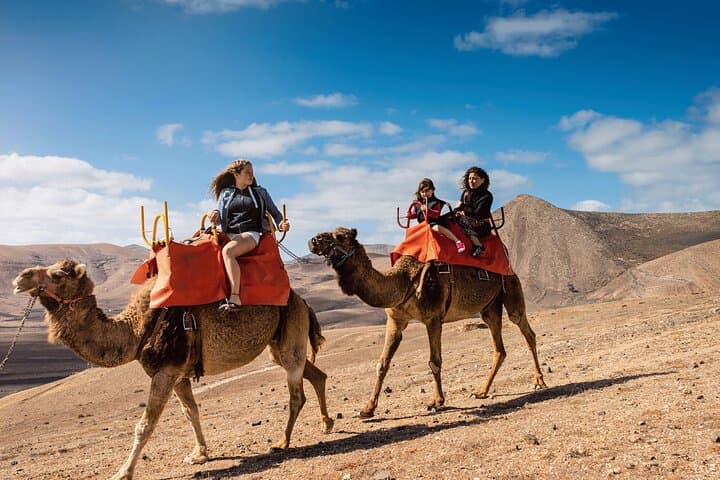
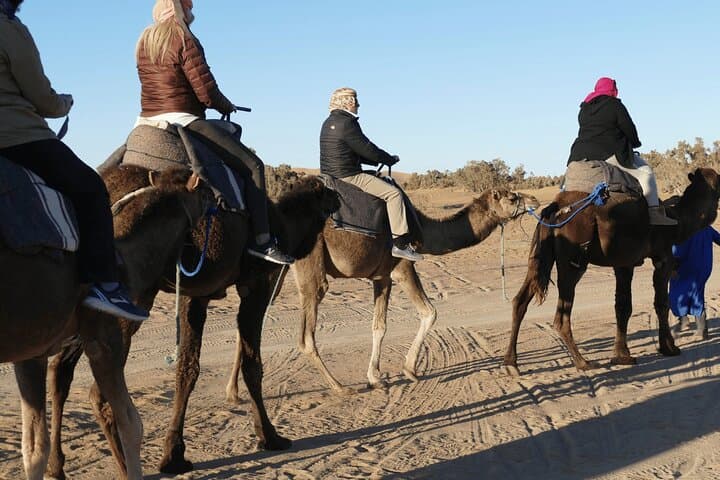
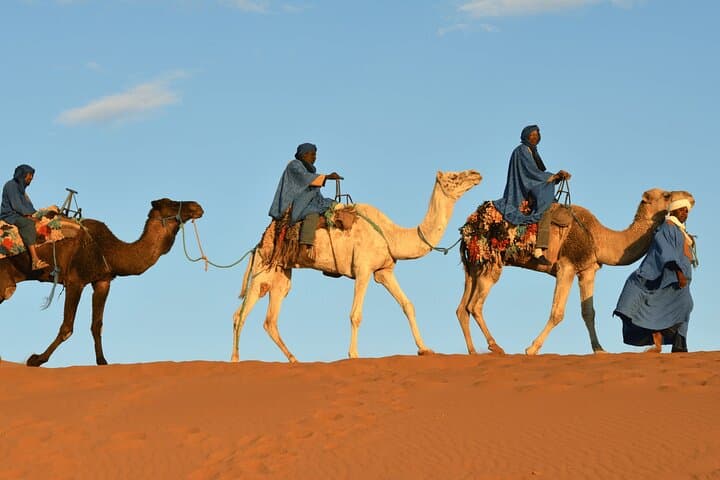
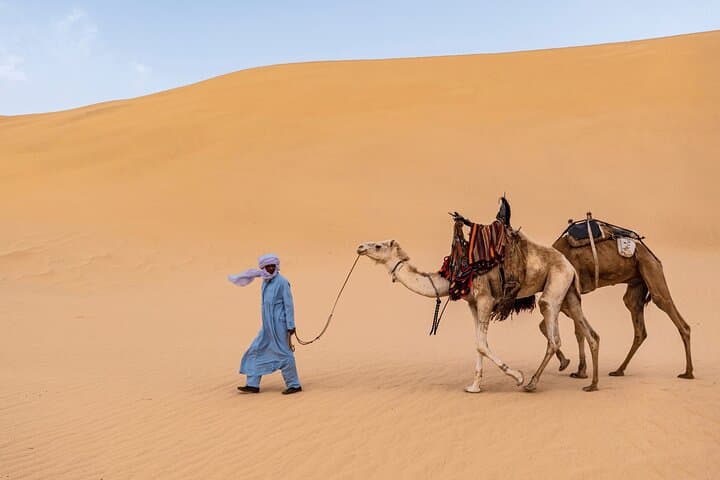
The sun has just flattened into a band of orange when you climb the camel’s wooden saddle and the dunes begin to roll like a slow sea. Wind scrapes the sand into ribbed slopes; each step brings a new horizon. Nights in the nomad tents strip the day down to stars and a steady, dry hush.
Verified experiences and guided adventures in the surrounding area.
Operated by desert safari morocco · Merzouga, Drâa-Tafilalet
The sun has just flattened into a band of orange when you climb the camel’s wooden saddle and the dunes begin to roll like a slow sea. Wind scrapes the sand into ribbed slopes; each step brings a new horizon. Nights in the nomad tents strip the day down to stars and a steady, dry hush.
Erg Chebbi is a coastal-style sand sea at Morocco’s eastern edge, dunes rising up to roughly 150 meters—formed by Saharan winds sweeping decades of fine sand against a stony bed. The route threads cultural stops: a lunch with a Berber nomad family where simple hospitality and mint tea outline centuries of desert life, and brief visits to black volcanic outcrops and small oases tucked between dunes.
Expect three days of low-gradient travel: two camel legs that typically cover 8–12 km per stretch, sunrise hikes to summit the highest dunes (short but sandy climbs), and long evening walks to watch light shift on ridgelines. Temperatures swing widely—hot by day, cold after sunset—so layers are essential. Guides provide bottled water, tents, and basic meals; sandboards are often available for quick runs.
Practical tips: do short practice sits before long camel legs, pace your breathing on steep sand climbs, and keep cameras in sealed pouches—fine sand gets everywhere. Aim to travel in shoulder seasons (spring or fall) for moderate daytime heat. The experience balances slow-motion travel, cultural exchange, and elemental landscape—an accessible but unforgettable desert immersion.
moderate.
3 days.
Suitable for travelers with average fitness; expect short, steep sand climbs and multi-hour camel transfers.
Camel travel is low-impact but can be uncomfortable for long stints; expect gentle motion and short walks on foot to climb dunes.
Nomad tents are communal-style berber tents or private small tents depending on operator; facilities are basic with shared ablutions and cold-water showers in nearby camps or a hotel return on the final morning.
Electricity isn’t guaranteed in desert camps; bring power banks—some camps may offer charging for a small fee or limited hours.
Yes for most; children should be steady mounting camels and older travelers should be comfortable with uneven sand and temperature swings—notify guides of any mobility concerns.
The Erg Chebbi dunes formed over millennia as Saharan sands shifted east of the Atlas Mountains; the area has long been seasonally used by Berber nomads for grazing and trade routes.
Stick to established routes and camps to limit dune destabilization; avoid leaving waste and use locally provided water sparingly to reduce pressure on fragile desert resources.
desert safari morocco operates guided outdoor trips and adventures with an emphasis on safety, stewardship, and memorable experiences.
The sun has just flattened into a band of orange when you climb the camel’s wooden saddle and the dunes begin to roll like a slow sea. Wind scrapes the sand into ribbed slopes; each step brings a new horizon. Nights in the nomad tents strip the day down to stars and a steady, dry hush.
The sun has just flattened into a band of orange when you climb the camel’s wooden saddle and the dunes begin to roll like a slow sea. Wind scrapes the sand into ribbed slopes; each step brings a new horizon. Nights in the nomad tents strip the day down to stars and a steady, dry hush.
Erg Chebbi is a coastal-style sand sea at Morocco’s eastern edge, dunes rising up to roughly 150 meters—formed by Saharan winds sweeping decades of fine sand against a stony bed. The route threads cultural stops: a lunch with a Berber nomad family where simple hospitality and mint tea outline centuries of desert life, and brief visits to black volcanic outcrops and small oases tucked between dunes.
Expect three days of low-gradient travel: two camel legs that typically cover 8–12 km per stretch, sunrise hikes to summit the highest dunes (short but sandy climbs), and long evening walks to watch light shift on ridgelines. Temperatures swing widely—hot by day, cold after sunset—so layers are essential. Guides provide bottled water, tents, and basic meals; sandboards are often available for quick runs.
Practical tips: do short practice sits before long camel legs, pace your breathing on steep sand climbs, and keep cameras in sealed pouches—fine sand gets everywhere. Aim to travel in shoulder seasons (spring or fall) for moderate daytime heat. The experience balances slow-motion travel, cultural exchange, and elemental landscape—an accessible but unforgettable desert immersion.