THE ADVENTURE COLLECTIVE® · Independent discovery and booking for outdoor travel

Three days in Cairo puts you face-to-face with the Great Pyramids, the Egyptian Museum’s treasures, and the winding alleys of Khan el-Khalili. This practical guide previews what to expect—routes, rhythms, and essential planning tips for a focused cultural sprint through Egypt’s capital.
Three days in Cairo puts you face-to-face with the Great Pyramids, the Egyptian Museum’s treasures, and the winding alleys of Khan el-Khalili. This practical guide previews what to expect—routes, rhythms, and essential planning tips for a focused cultural sprint through Egypt’s capital.
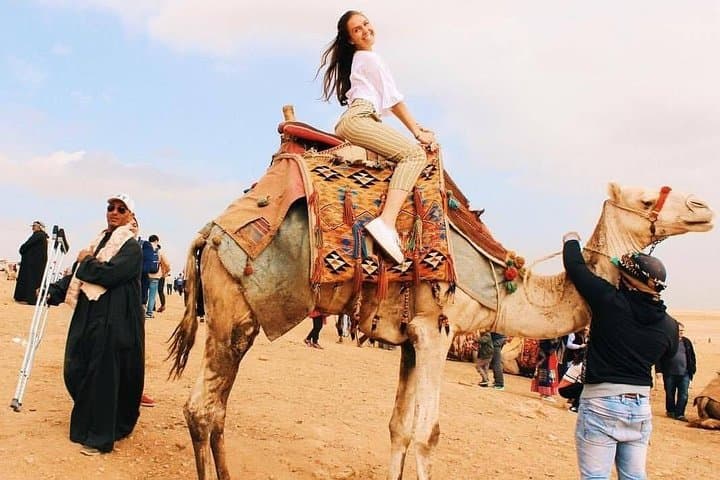
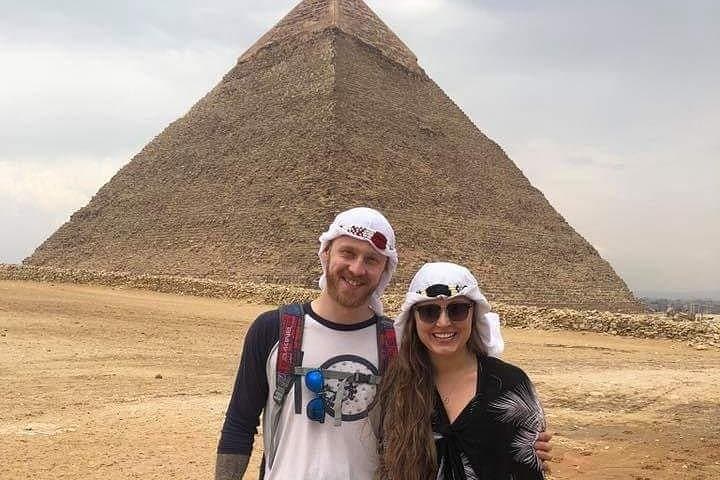
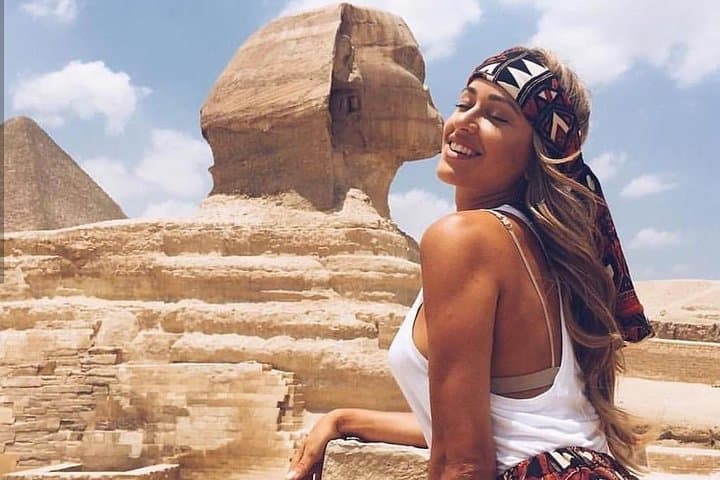
You step from the car into dry, sun-warmed air, the outline of the pyramids slicing the horizon like a set of deliberate monuments. Dust and street noise fall away as the Giza plateau opens; camels shift their weight and the Sphinx seems to watch each visitor decide how close to lean into history.
Verified experiences and guided adventures in the surrounding area.
Operated by Travelino Egypt · Cairo, Cairo Governorate
You step from the car into dry, sun-warmed air, the outline of the pyramids slicing the horizon like a set of deliberate monuments. Dust and street noise fall away as the Giza plateau opens; camels shift their weight and the Sphinx seems to watch each visitor decide how close to lean into history.
Cairo sits at the meeting point of ancient pharaonic sites and medieval Islamic streets. Founded as a capital by the Fatimids in the 10th century CE, the city overlays millennia: limestone blocks from Giza’s Old Kingdom, Ottoman-era minarets, and the 19th-century Citadel of Saladin all occupy the same urban palimpsest. Geologically, the plateau and surrounding necropolises rest on Eocene limestone; the Nile’s slow, steady work built the floodplain that made Egyptian civilization possible.
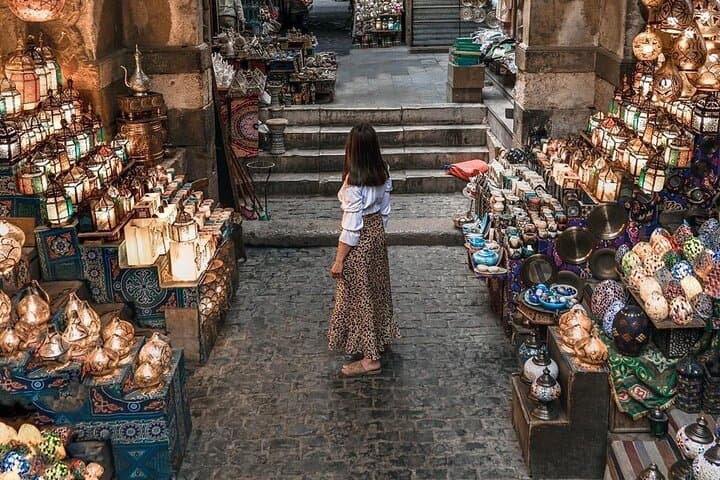
This private, three-day itinerary pairs front-row access to Giza, Saqqara and Dahshour with museum time in Downtown Cairo and an evening through the alleys of Khan el-Khalili. Expect brisk guided walks through crowded bazaars, museum galleries with vulnerable artifacts under strict photography rules, and stretches of open desert where wind scratches history clean.
Practical guidance: travel in light layers, limit valuables in crowded markets, and plan morning visits at major sites to avoid heat and crowds. Bottled water and sunscreen are essential; allow time between stops for traffic and short rests. Use a licensed guide to skip lines, secure tickets, and gain context—Cairo rewards time spent listening as much as looking.
easy.
3 days.
Light walking on mostly flat terrain with occasional uneven ancient stone surfaces; suitable for most travelers
This private itinerary indicates entry fees are included for listed sites, but double-check specific ticket inclusions at booking and for any optional upgrades.
Expect several hours of walking each day with opportunities to rest; surfaces range from paved streets to uneven archaeological stone.
Yes—private transfers and a tailored pace make it accessible, but some attractions have limited stroller access and the desert terrain can be sandy.
Many nationalities require a tourist visa for Egypt—check current government requirements and secure the visa before travel if necessary.
Cairo’s core grew from the Fatimid foundation of al-Qahira (969 CE) and later absorbed older pharaonic sites that remained central to Egypt’s identity.
Major sites enforce strict conservation rules—avoid touching stones or artifacts, use licensed guides, and opt for reusable water containers to reduce plastic waste.
Travelino Egypt operates guided outdoor trips and adventures with an emphasis on safety, stewardship, and memorable experiences.
You step from the car into dry, sun-warmed air, the outline of the pyramids slicing the horizon like a set of deliberate monuments. Dust and street noise fall away as the Giza plateau opens; camels shift their weight and the Sphinx seems to watch each visitor decide how close to lean into history.
You step from the car into dry, sun-warmed air, the outline of the pyramids slicing the horizon like a set of deliberate monuments. Dust and street noise fall away as the Giza plateau opens; camels shift their weight and the Sphinx seems to watch each visitor decide how close to lean into history.
Cairo sits at the meeting point of ancient pharaonic sites and medieval Islamic streets. Founded as a capital by the Fatimids in the 10th century CE, the city overlays millennia: limestone blocks from Giza’s Old Kingdom, Ottoman-era minarets, and the 19th-century Citadel of Saladin all occupy the same urban palimpsest. Geologically, the plateau and surrounding necropolises rest on Eocene limestone; the Nile’s slow, steady work built the floodplain that made Egyptian civilization possible.
This private, three-day itinerary pairs front-row access to Giza, Saqqara and Dahshour with museum time in Downtown Cairo and an evening through the alleys of Khan el-Khalili. Expect brisk guided walks through crowded bazaars, museum galleries with vulnerable artifacts under strict photography rules, and stretches of open desert where wind scratches history clean.
Practical guidance: travel in light layers, limit valuables in crowded markets, and plan morning visits at major sites to avoid heat and crowds. Bottled water and sunscreen are essential; allow time between stops for traffic and short rests. Use a licensed guide to skip lines, secure tickets, and gain context—Cairo rewards time spent listening as much as looking.