THE ADVENTURE COLLECTIVE® · Independent discovery and booking for outdoor travel

Fly into Kisoro and spend three days tracking endangered mountain gorillas in Bwindi Impenetrable Forest. Expect steep, muddy trails, guided briefings, 1–2 hours with a gorilla group, and optional Batwa cultural walks.
Fly into Kisoro and spend three days tracking endangered mountain gorillas in Bwindi Impenetrable Forest. Expect steep, muddy trails, guided briefings, 1–2 hours with a gorilla group, and optional Batwa cultural walks.
A low-slung prop plane tilts over emerald ridgelines and drops you onto Kisoro Airstrip, where the air tastes sharp and green. A short drive threads steep, terraced farms before the road gasps at the forest edge and the Bwindi Impenetrable thickens into cathedral trees, lianas and moss. On day two a ranger’s briefing at dawn replaces small talk; then you push into the understorey, boots sinking into leaf litter while the forest seems to hold its breath.
Verified experiences and guided adventures in the surrounding area.
Operated by Gazelle Safari Company · Kisoro, Kanungu
A low-slung prop plane tilts over emerald ridgelines and drops you onto Kisoro Airstrip, where the air tastes sharp and green. A short drive threads steep, terraced farms before the road gasps at the forest edge and the Bwindi Impenetrable thickens into cathedral trees, lianas and moss. On day two a ranger’s briefing at dawn replaces small talk; then you push into the understorey, boots sinking into leaf litter while the forest seems to hold its breath.
Bwindi is an ancient montane forest carved by the East African Rift and rain patterns over millennia, one of the few places where endangered mountain gorillas still persist. The local Batwa people—forest guardians for generations—offer cultural trails that explain human ties to this landscape. Geology here is lived: volcanic soils and steep valleys produce sudden climbs, hidden streams and sweeping viewpoints where mist lifts to reveal distant peaks.
Expect rugged hiking: 1–6 hours on uneven, often muddy trails with intermittent steep pitches and up to several hundred meters of elevation change. Gorilla permits and guided tracking are required; once a family is located you receive 1–2 hours with the group under ranger supervision. Birdwatching, insect life and primate activity punctuate the walk.
Practical edge: move light but prepared—water, layered rain protection, sturdy boots and gloves. Respect distance and silence rules for animal welfare. If you have spare time, take the optional Batwa cultural walk to balance the intensity of the trek with social and historical context, and remember the domestic flight schedule when planning arrival or onward travel.
moderate.
3 days.
Moderate fitness—able to hike 2–6 hours on uneven, often steep trails and tolerate altitude changes.
Tracking time varies widely based on gorilla movements; expect anywhere from 2 to 6 hours on the trail plus up to 1–2 hours at the gorilla site once a group is located.
Yes—Gorilla permits are required and managed by the park authorities; your tour operator typically secures them in advance.
Not recommended for very young children, pregnant travelers, or those with serious back or cardiovascular issues due to uneven terrain and physical exertion.
Photography is allowed but without flash; keep a respectful distance, follow the ranger’s instructions and limit noise to avoid stressing the gorillas.
Bwindi’s forest is ancient and biologically rich; protection began in earnest in the late 20th century as gorilla conservation became a global priority.
Visits are tightly regulated to minimize disease transmission and habitat disturbance; follow ranger rules, use masks if requested, and favor operators contributing to community and conservation fees.
Gazelle Safari Company operates guided outdoor trips and adventures with an emphasis on safety, stewardship, and memorable experiences.
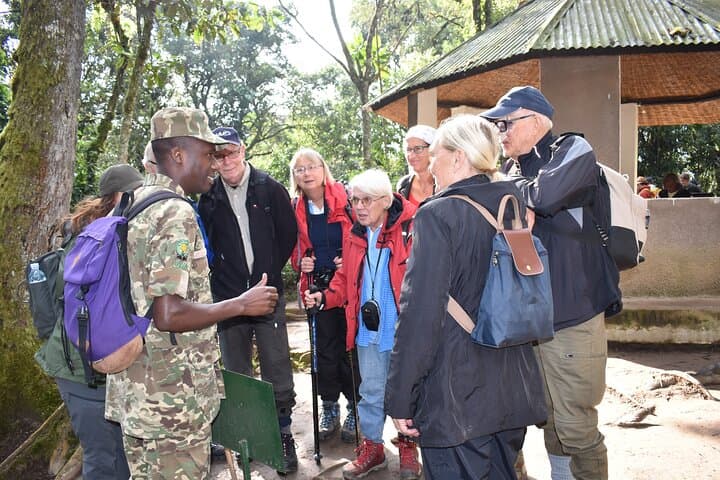
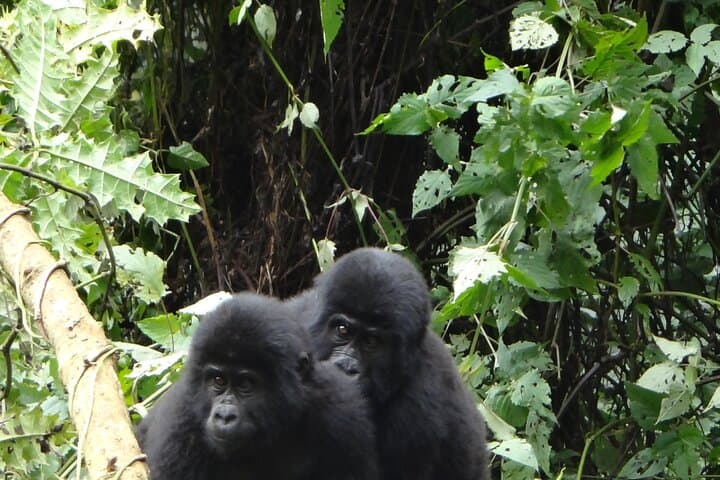
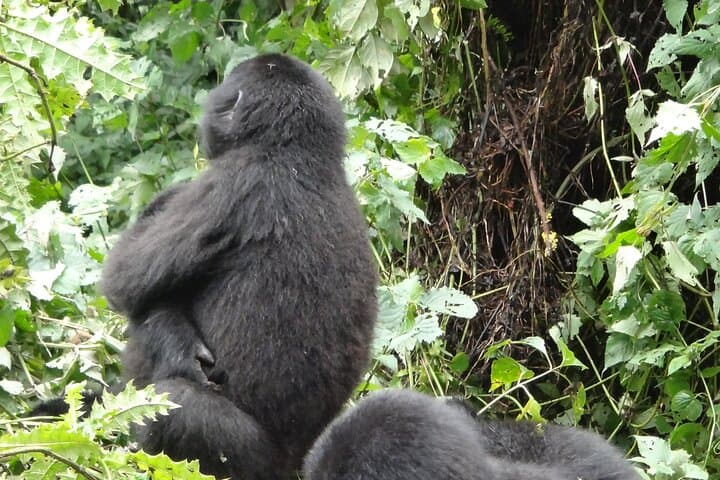
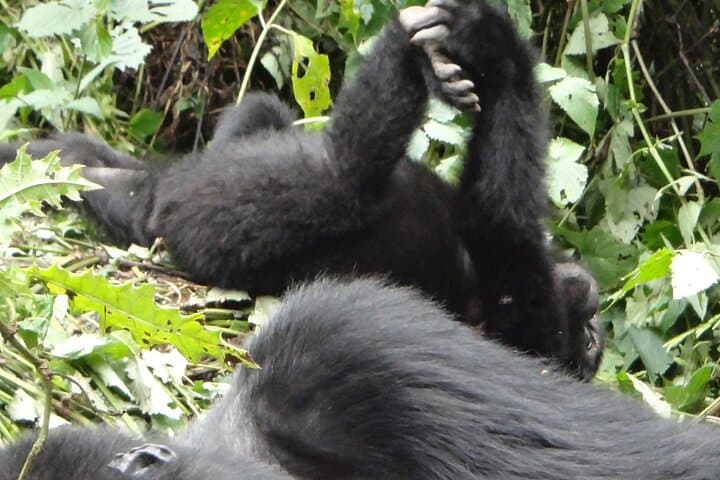
A low-slung prop plane tilts over emerald ridgelines and drops you onto Kisoro Airstrip, where the air tastes sharp and green. A short drive threads steep, terraced farms before the road gasps at the forest edge and the Bwindi Impenetrable thickens into cathedral trees, lianas and moss. On day two a ranger’s briefing at dawn replaces small talk; then you push into the understorey, boots sinking into leaf litter while the forest seems to hold its breath.
A low-slung prop plane tilts over emerald ridgelines and drops you onto Kisoro Airstrip, where the air tastes sharp and green. A short drive threads steep, terraced farms before the road gasps at the forest edge and the Bwindi Impenetrable thickens into cathedral trees, lianas and moss. On day two a ranger’s briefing at dawn replaces small talk; then you push into the understorey, boots sinking into leaf litter while the forest seems to hold its breath.
Bwindi is an ancient montane forest carved by the East African Rift and rain patterns over millennia, one of the few places where endangered mountain gorillas still persist. The local Batwa people—forest guardians for generations—offer cultural trails that explain human ties to this landscape. Geology here is lived: volcanic soils and steep valleys produce sudden climbs, hidden streams and sweeping viewpoints where mist lifts to reveal distant peaks.
Expect rugged hiking: 1–6 hours on uneven, often muddy trails with intermittent steep pitches and up to several hundred meters of elevation change. Gorilla permits and guided tracking are required; once a family is located you receive 1–2 hours with the group under ranger supervision. Birdwatching, insect life and primate activity punctuate the walk.
Practical edge: move light but prepared—water, layered rain protection, sturdy boots and gloves. Respect distance and silence rules for animal welfare. If you have spare time, take the optional Batwa cultural walk to balance the intensity of the trek with social and historical context, and remember the domestic flight schedule when planning arrival or onward travel.