THE ADVENTURE COLLECTIVE® · Independent discovery and booking for outdoor travel

Step into Bwindi’s deep forest for a three-day trek in search of mountain gorillas. This Rushaga-based tour combines rugged hiking, a one-hour habituated gorilla encounter, and a cultural visit to the Batwa community.
Step into Bwindi’s deep forest for a three-day trek in search of mountain gorillas. This Rushaga-based tour combines rugged hiking, a one-hour habituated gorilla encounter, and a cultural visit to the Batwa community.
Dawn arrives as a misted wall of green, and the forest exhales around you — leaves dripping, vines tugging at sleeves, the trail pushing you forward into the dim. On day two, the path narrows and the canopy lowers; each footfall becomes a negotiation with roots and soft mud, and suddenly a silverback lifts its gaze as if to consider the visitor.
Verified experiences and guided adventures in the surrounding area.
Operated by Dolphin Tours & Travel · Rushaga, Kanungu District
Dawn arrives as a misted wall of green, and the forest exhales around you — leaves dripping, vines tugging at sleeves, the trail pushing you forward into the dim. On day two, the path narrows and the canopy lowers; each footfall becomes a negotiation with roots and soft mud, and suddenly a silverback lifts its gaze as if to consider the visitor.
Bwindi Impenetrable National Park sits on the western edge of the Albertine Rift, an ancient faulted range where steep ridges and volcanic soils have held a dense, old-growth forest for millennia. The park became a UNESCO World Heritage Site in 1994 for its unrivaled mountain gorilla population and high number of Albertine Rift endemics. Local Batwa communities retain cultural ties to the forest — visitors often combine trekking with a short Batwa cultural visit to hear oral histories and watch traditional dances.
Expect trails that switch between broad, easy tracks and narrow, steep routes with up to 8 hours of hiking on some days, though gorilla encounters can be as quick as 30 minutes when families are nearby. Guides use habituation patrols and radios; trekking groups are limited and encounters are strictly one hour to protect the apes.
Practical guidance: train for uneven ground and hill climbs; wear broken-in waterproof boots and gaiters; pack layers and a reliable rain shell for sudden tropical showers. Carry water, snacks, and a small first-aid kit; keep camera flashes off and follow the ranger’s distance rules. Book gorilla permits well in advance — availability is limited and drives much of the conservation funding that keeps Bwindi intact.
challenging.
3 days.
Moderate to good cardiovascular fitness; able to hike uneven terrain for up to 6–8 hours with elevation changes.
Yes. A gorilla permit issued by Uganda Wildlife Authority is required and must be booked well in advance; permits limit group size and fund conservation.
Encounters with habituated gorilla families are limited to one hour per group to reduce stress on the animals.
Photography is allowed but flash is prohibited to avoid disturbing the gorillas; always follow your ranger’s instructions.
Ensure routine vaccinations are up to date, carry anti-malarial medication as advised, and avoid visiting if you have respiratory illness—gorillas are susceptible to human disease.
Bwindi was designated a UNESCO World Heritage Site in 1994 and lies within the biologically rich Albertine Rift; indigenous Batwa people have historic forest ties.
Gorilla permit revenue supports local communities and anti-poaching patrols; visitors help by following low-impact rules, keeping distance, and not visiting when ill.
Dolphin Tours & Travel operates guided outdoor trips and adventures with an emphasis on safety, stewardship, and memorable experiences.
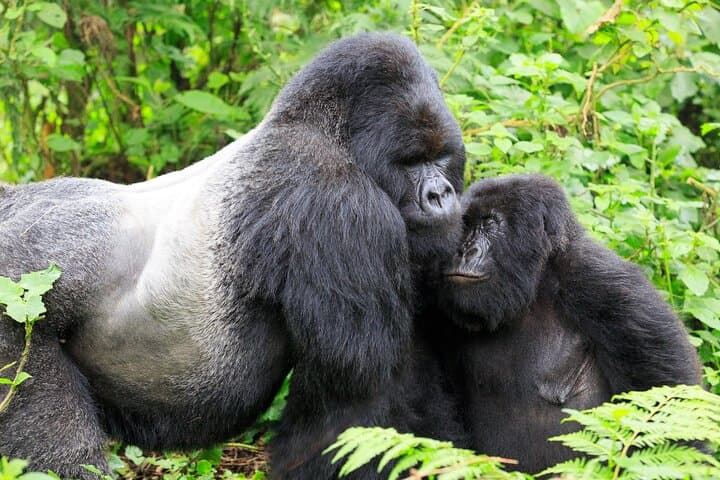
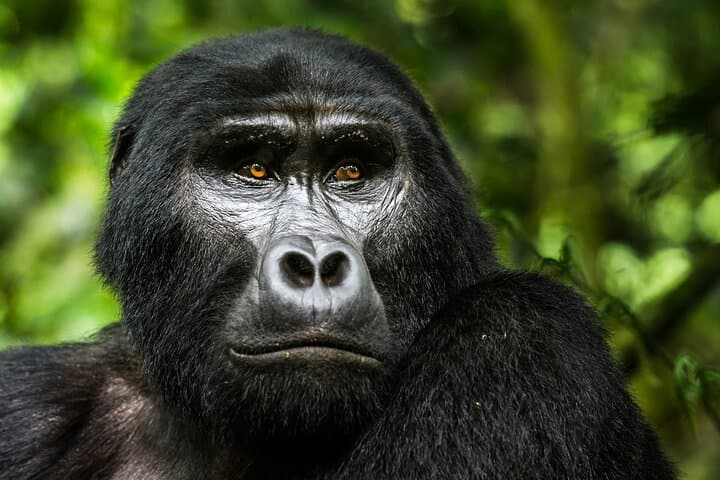
Dawn arrives as a misted wall of green, and the forest exhales around you — leaves dripping, vines tugging at sleeves, the trail pushing you forward into the dim. On day two, the path narrows and the canopy lowers; each footfall becomes a negotiation with roots and soft mud, and suddenly a silverback lifts its gaze as if to consider the visitor.
Dawn arrives as a misted wall of green, and the forest exhales around you — leaves dripping, vines tugging at sleeves, the trail pushing you forward into the dim. On day two, the path narrows and the canopy lowers; each footfall becomes a negotiation with roots and soft mud, and suddenly a silverback lifts its gaze as if to consider the visitor.
Bwindi Impenetrable National Park sits on the western edge of the Albertine Rift, an ancient faulted range where steep ridges and volcanic soils have held a dense, old-growth forest for millennia. The park became a UNESCO World Heritage Site in 1994 for its unrivaled mountain gorilla population and high number of Albertine Rift endemics. Local Batwa communities retain cultural ties to the forest — visitors often combine trekking with a short Batwa cultural visit to hear oral histories and watch traditional dances.
Expect trails that switch between broad, easy tracks and narrow, steep routes with up to 8 hours of hiking on some days, though gorilla encounters can be as quick as 30 minutes when families are nearby. Guides use habituation patrols and radios; trekking groups are limited and encounters are strictly one hour to protect the apes.
Practical guidance: train for uneven ground and hill climbs; wear broken-in waterproof boots and gaiters; pack layers and a reliable rain shell for sudden tropical showers. Carry water, snacks, and a small first-aid kit; keep camera flashes off and follow the ranger’s distance rules. Book gorilla permits well in advance — availability is limited and drives much of the conservation funding that keeps Bwindi intact.