THE ADVENTURE COLLECTIVE® · Independent discovery and booking for outdoor travel

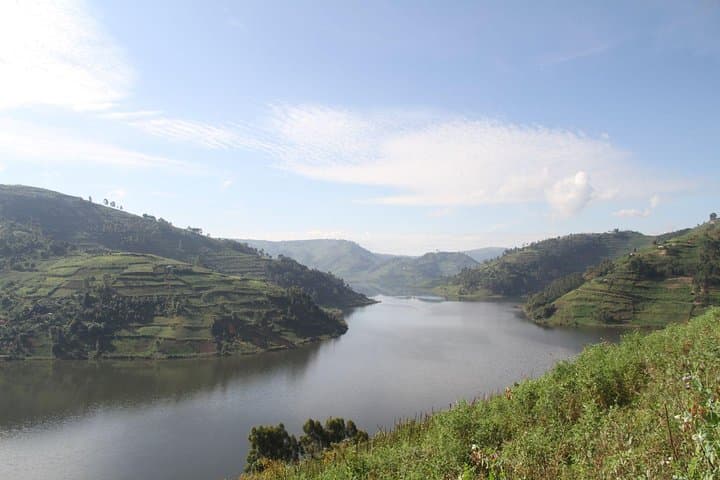
Leave Kampala for a 3-day road transfer into the misted ridges of Bwindi Impenetrable National Park, where guided treks reward fit travelers with an hour observing mountain gorillas. This private tour combines wildlife encounters with scenic stops at the Equator and Lake Bunyonyi.
Leave Kampala for a 3-day road transfer into the misted ridges of Bwindi Impenetrable National Park, where guided treks reward fit travelers with an hour observing mountain gorillas. This private tour combines wildlife encounters with scenic stops at the Equator and Lake Bunyonyi.
Dawn breaks over the Albertine Rift as your vehicle slides out of Kampala, the city shrinking behind a ribbon of hills and tea estates. By the time you cross the Equator — one foot in each hemisphere — the road begins to climb into the folded, moss-streaked ridges that guard Bwindi Impenetrable National Park. The forest breathes around you, some trails slick with last night’s rain, others dappled by sudden shafts of light.
Verified experiences and guided adventures in the surrounding area.
Operated by Karumuna Safaris · Buhoma, Kanungu District
Dawn breaks over the Albertine Rift as your vehicle slides out of Kampala, the city shrinking behind a ribbon of hills and tea estates. By the time you cross the Equator — one foot in each hemisphere — the road begins to climb into the folded, moss-streaked ridges that guard Bwindi Impenetrable National Park. The forest breathes around you, some trails slick with last night’s rain, others dappled by sudden shafts of light.
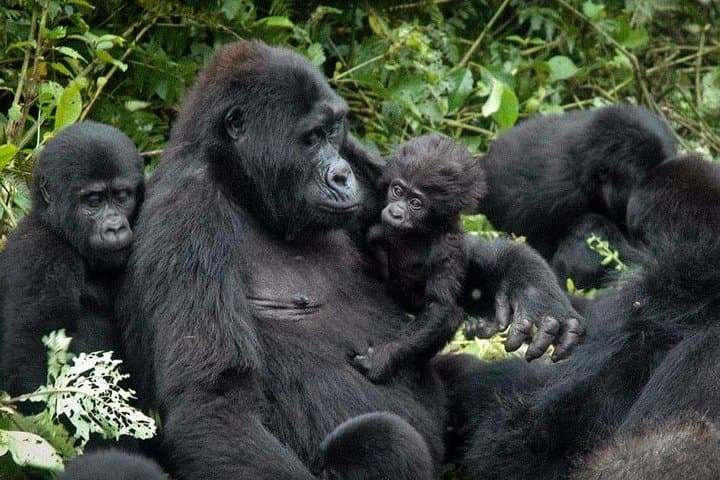
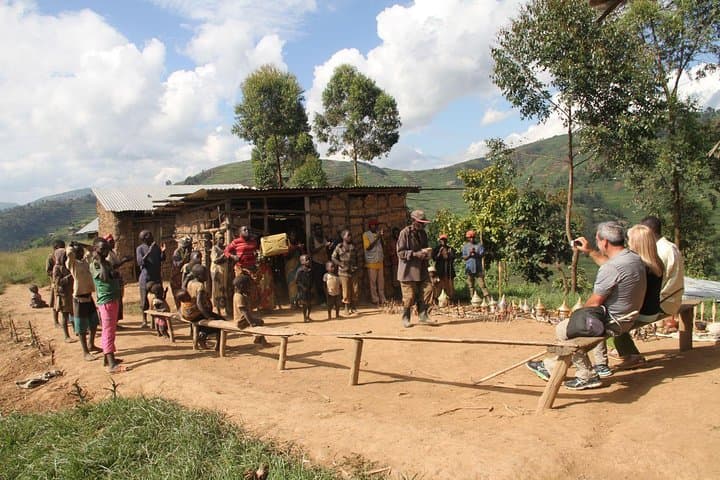
Bwindi is more than trees; it’s a living archive of the Rift Valley’s geology and the home of the rare mountain gorilla. Declared a UNESCO World Heritage Site for its biodiversity, the park sits on ancient volcanic soils and steep valleys carved by streams. Local communities — Bakiga and Batwa — share stories and craft that reflect centuries of forest life, and revenue from permits sustains both conservation and village programs.
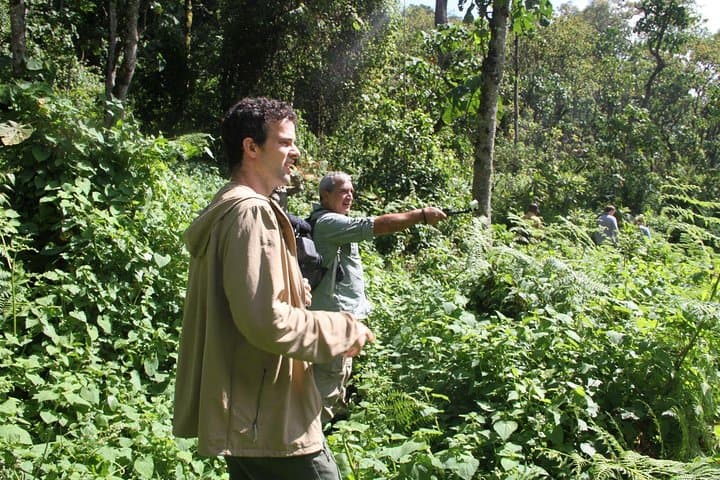
Practically: gorilla treks begin with a mandatory briefing at the park headquarters. Treks can be short or extend to half a day depending on gorilla family locations and require sturdy boots, gaiters and a steady pace on muddy, uneven ground. Guides enforce a one-hour viewing limit and a safe distance to protect gorilla health.
Expect physical effort and profound reward: brief, intense encounters with gorillas that study you as much as you study them. Plan around the rains, carry layered waterproofs, and keep your camera quiet — the forest will do the rest, its streams daring you forward and its canopy watching from above.
challenging.
3 days.
Moderate to fit: be comfortable hiking 3–6 hours on uneven, steep, and potentially muddy trails
Yes—gorilla permits are required for entry and are sold by the Ugandan Wildlife Authority; your operator usually arranges them before travel.
Trek time varies from under an hour to several hours depending on gorilla movement; expect uneven terrain and variable hiking times.
Children are permitted but age restrictions apply for some families—check current park rules and consider shorter treks for younger kids.
Vaccinations should be up to date, and anyone who is unwell should not visit gorillas; follow guide instructions to minimize disease transmission.
Bwindi was designated a UNESCO World Heritage Site in 1994 for its exceptional biodiversity and role protecting mountain gorillas.
Gorilla permits fund anti-poaching patrols and community projects; strict viewing rules and guided treks limit disease transmission and disturbance.
Karumuna Safaris operates guided outdoor trips and adventures with an emphasis on safety, stewardship, and memorable experiences.
Dawn breaks over the Albertine Rift as your vehicle slides out of Kampala, the city shrinking behind a ribbon of hills and tea estates. By the time you cross the Equator — one foot in each hemisphere — the road begins to climb into the folded, moss-streaked ridges that guard Bwindi Impenetrable National Park. The forest breathes around you, some trails slick with last night’s rain, others dappled by sudden shafts of light.
Dawn breaks over the Albertine Rift as your vehicle slides out of Kampala, the city shrinking behind a ribbon of hills and tea estates. By the time you cross the Equator — one foot in each hemisphere — the road begins to climb into the folded, moss-streaked ridges that guard Bwindi Impenetrable National Park. The forest breathes around you, some trails slick with last night’s rain, others dappled by sudden shafts of light.
Bwindi is more than trees; it’s a living archive of the Rift Valley’s geology and the home of the rare mountain gorilla. Declared a UNESCO World Heritage Site for its biodiversity, the park sits on ancient volcanic soils and steep valleys carved by streams. Local communities — Bakiga and Batwa — share stories and craft that reflect centuries of forest life, and revenue from permits sustains both conservation and village programs.
Practically: gorilla treks begin with a mandatory briefing at the park headquarters. Treks can be short or extend to half a day depending on gorilla family locations and require sturdy boots, gaiters and a steady pace on muddy, uneven ground. Guides enforce a one-hour viewing limit and a safe distance to protect gorilla health.
Expect physical effort and profound reward: brief, intense encounters with gorillas that study you as much as you study them. Plan around the rains, carry layered waterproofs, and keep your camera quiet — the forest will do the rest, its streams daring you forward and its canopy watching from above.