THE ADVENTURE COLLECTIVE® · Independent discovery and booking for outdoor travel

Face-to-face with mountain gorillas: a focused three-day itinerary that combines long drives through rural Uganda with a demanding, unforgettable trek into Bwindi Impenetrable Forest. Learn what to expect, how to prepare, and why permits matter.
Face-to-face with mountain gorillas: a focused three-day itinerary that combines long drives through rural Uganda with a demanding, unforgettable trek into Bwindi Impenetrable Forest. Learn what to expect, how to prepare, and why permits matter.
Morning mist clings to the palms as you step off the minibus and into a forest that feels older than maps. Bwindi’s understory presses close; ferns brush your sleeves and distant hoots and insect-song set a steady rhythm. On day two the forest tightens, the trail narrows, and the soft ground gives underfoot—this is gorilla country, and every step is an approach.
Verified experiences and guided adventures in the surrounding area.
Operated by Timu Grand Africa Safaris · Buhoma, Kanungu District
Morning mist clings to the palms as you step off the minibus and into a forest that feels older than maps. Bwindi’s understory presses close; ferns brush your sleeves and distant hoots and insect-song set a steady rhythm. On day two the forest tightens, the trail narrows, and the soft ground gives underfoot—this is gorilla country, and every step is an approach.
Bwindi Impenetrable National Park—UNESCO-listed and ranging from about 1,160 to 2,607 m—holds a patchwork of ancient forest, steep ridges, and valleys carved by volcanic uplift and rain over millennia. The park’s people include Bakiga and the Batwa, whose cultural stories and craft traditions are visible in nearby villages and community visits. Gorilla trekking began in earnest in the late 20th century as conservation and tourism converged; strict permits and brief viewing windows now protect both gorillas and guests.
Expect a full day’s hike that can run from one to six hours depending on the family’s location and altitude; the terrain is steep, muddy, and densely vegetated. Guides brief groups on gorilla etiquette—quiet, slow movements and a one-hour viewing limit—then lead tracking with rangers.
Practical edge: bring a full water bladder, quick-dry layers, waterproofs and high-traction boots. Cameras need fast shutters and rain protection; phone batteries drain in cold, damp conditions. Plan for long drives from Kampala or Entebbe (8–10 hours by road) or domestic flights into Kihihi or Kisoro. Permits are required and limited—book weeks or months in advance, travel with local guides, and be ready to hike hard for a once-in-a-lifetime close encounter with mountain gorillas.
challenging.
3 days.
Moderate to strong cardiovascular fitness and good mobility for steep, muddy trails; ability to hike 1–6 hours in rugged terrain.
Yes—visit permits are required for all gorilla treks, are limited in number, and should be booked well in advance through the park or authorized operators.
Trekking time varies widely—expect 1 to 6 hours in the forest depending on where the gorilla family was last seen; total activity time including briefing is half a day.
Children under a certain age may be restricted by park rules; older travelers can join if physically fit for steep, muddy hikes—discuss mobility concerns with your operator beforehand.
Bwindi is visitable year-round; drier months (June–September, December–February) have fewer rains and firmer trails, but gorilla viewing is possible in wet months as well.
Bwindi was designated a UNESCO World Heritage Site in 1994; its ancient forest has supported local communities like the Batwa for generations.
Gorilla tourism funds park management and community projects, but strict permits, limited viewing time, and health rules are essential to reduce human impact.
Timu Grand Africa Safaris operates guided outdoor trips and adventures with an emphasis on safety, stewardship, and memorable experiences.
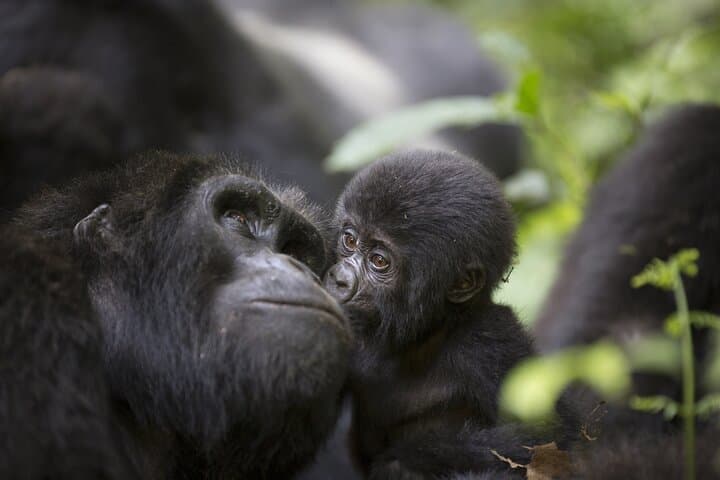
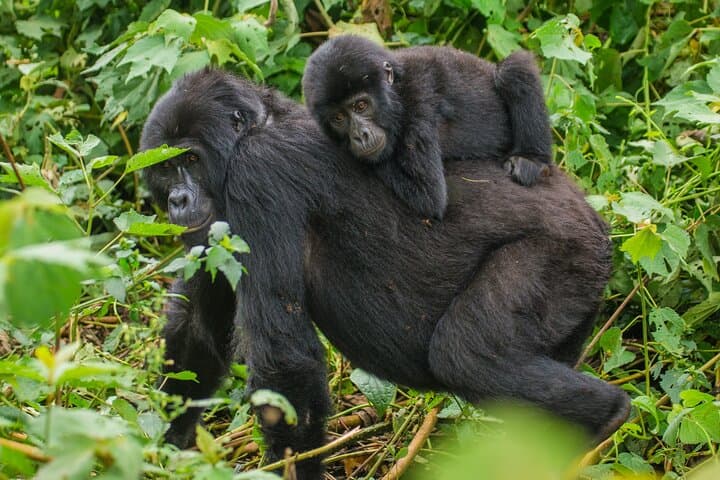
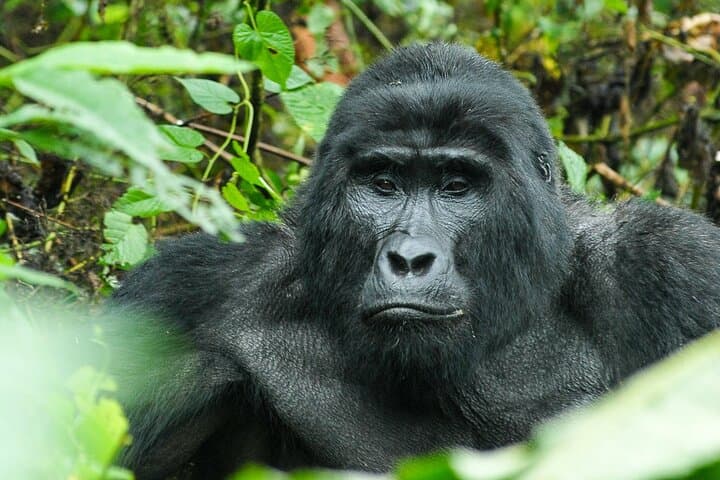
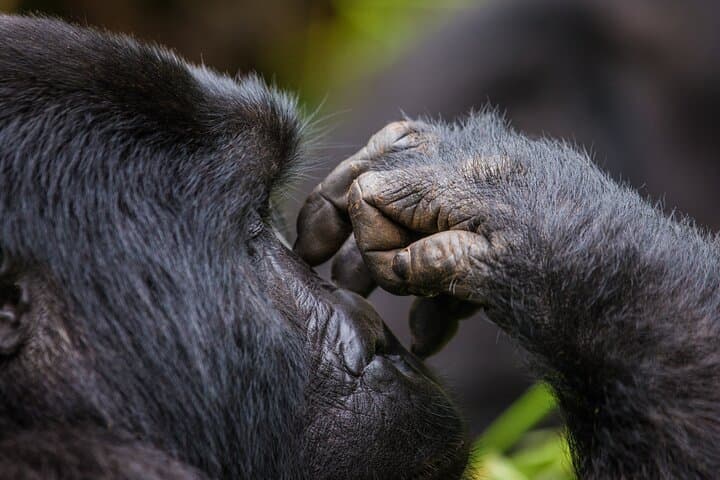
Morning mist clings to the palms as you step off the minibus and into a forest that feels older than maps. Bwindi’s understory presses close; ferns brush your sleeves and distant hoots and insect-song set a steady rhythm. On day two the forest tightens, the trail narrows, and the soft ground gives underfoot—this is gorilla country, and every step is an approach.
Morning mist clings to the palms as you step off the minibus and into a forest that feels older than maps. Bwindi’s understory presses close; ferns brush your sleeves and distant hoots and insect-song set a steady rhythm. On day two the forest tightens, the trail narrows, and the soft ground gives underfoot—this is gorilla country, and every step is an approach.
Bwindi Impenetrable National Park—UNESCO-listed and ranging from about 1,160 to 2,607 m—holds a patchwork of ancient forest, steep ridges, and valleys carved by volcanic uplift and rain over millennia. The park’s people include Bakiga and the Batwa, whose cultural stories and craft traditions are visible in nearby villages and community visits. Gorilla trekking began in earnest in the late 20th century as conservation and tourism converged; strict permits and brief viewing windows now protect both gorillas and guests.
Expect a full day’s hike that can run from one to six hours depending on the family’s location and altitude; the terrain is steep, muddy, and densely vegetated. Guides brief groups on gorilla etiquette—quiet, slow movements and a one-hour viewing limit—then lead tracking with rangers.
Practical edge: bring a full water bladder, quick-dry layers, waterproofs and high-traction boots. Cameras need fast shutters and rain protection; phone batteries drain in cold, damp conditions. Plan for long drives from Kampala or Entebbe (8–10 hours by road) or domestic flights into Kihihi or Kisoro. Permits are required and limited—book weeks or months in advance, travel with local guides, and be ready to hike hard for a once-in-a-lifetime close encounter with mountain gorillas.