THE ADVENTURE COLLECTIVE® · Independent discovery and booking for outdoor travel

A three-day safari that centers on a full-day gorilla trek in Bwindi Impenetrable Forest—home to over half the world’s mountain gorillas—paired with a Batwa community visit and scenic drive from Kampala.
A three-day safari that centers on a full-day gorilla trek in Bwindi Impenetrable Forest—home to over half the world’s mountain gorillas—paired with a Batwa community visit and scenic drive from Kampala.
Fog clings to the forest canopy as trackers thread narrow paths between buttress roots and moss-slick trunks. On day two, the jungle feels alive in a way city maps can’t explain: leaves shiver with unseen birds, and distant branches announce the approach of gorilla families.
Verified experiences and guided adventures in the surrounding area.
Operated by All Seasons Adventures UG · Buhoma, Kanungu District
Fog clings to the forest canopy as trackers thread narrow paths between buttress roots and moss-slick trunks. On day two, the jungle feels alive in a way city maps can’t explain: leaves shiver with unseen birds, and distant branches announce the approach of gorilla families.
Bwindi Impenetrable Forest sits on the edge of the Albertine Rift, a volcanic backbone that carved steep ridges and sheltered highland rainforest for millennia. Designated a UNESCO World Heritage Site for its endemic flora and the largest share of the world’s mountain gorillas, the park also preserves Batwa cultural sites—remnants of an ancient forest-based hunter-gatherer culture displaced when the park was gazetted.
Visitors spend an early morning briefing at park headquarters, then hike through dense, often muddy terrain tracking habituated gorilla groups; encounters last one hour under strict proximity and health rules. The region’s geology produces sudden climbs and short, steep valleys—expect knee-pounding ascents and shaded downhill scrambles. Birding rewards slower moments: Albertine Rift endemics and broadbills favor the canopy.
Practically, permits are required and sell out months ahead; guides provide locally informed routes and a porter service can save your knees. Wear grippy boots, long sleeves to fend off nettles and insects, and pack water, snacks, and a lightweight rain shell—the forest changes mood within an hour. Respect ranger instructions: no flash photography, maintain distance, and follow hygiene rules to protect gorilla health. With planning and the right kit, a three-day itinerary from Kampala delivers a concentrated, ethically guided encounter with one of Africa’s most critical and unforgettable wildlife experiences.
moderate.
3 days total; trekking day 2: 2–8 hours.
Moderate fitness—shoulder- and leg-strength for short steep climbs, comfortable with several hours of walking on uneven ground
Trekking to find gorilla groups typically takes 2–8 hours depending on gorilla movements; once found, visitors spend one hour with the group.
Yes—gorilla permits are mandatory and limited; book through the park or your tour operator well in advance.
Gorilla trekking is not recommended for pregnant travelers or people with serious spinal or cardiac conditions; children policies vary—check park age minimums and operator rules.
Follow ranger instructions, keep required distance, wear a mask if requested, avoid visiting when ill, and sanitize hands—disease can transfer easily to gorillas.
Bwindi was gazetted in 1991 and later recognized as a UNESCO World Heritage Site; the Batwa people lived in the forest for generations before park establishment.
Strict permit limits, guided visits, and community revenue-sharing aim to protect gorilla populations and support local livelihoods; visitors should minimize disturbance and follow all park rules.
All Seasons Adventures UG operates guided outdoor trips and adventures with an emphasis on safety, stewardship, and memorable experiences.
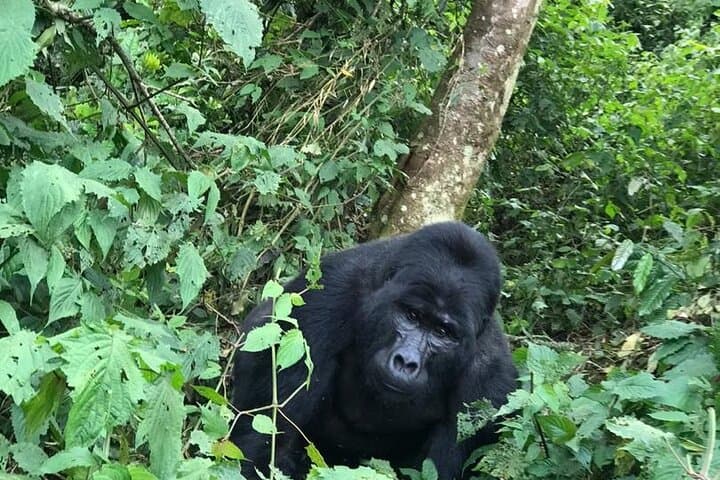
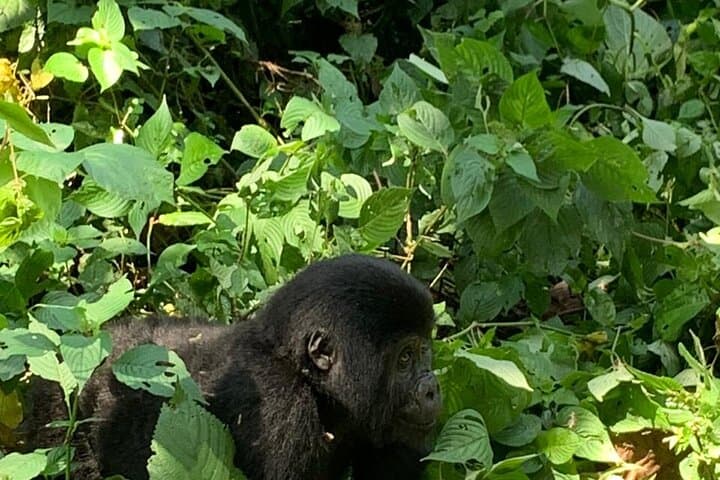
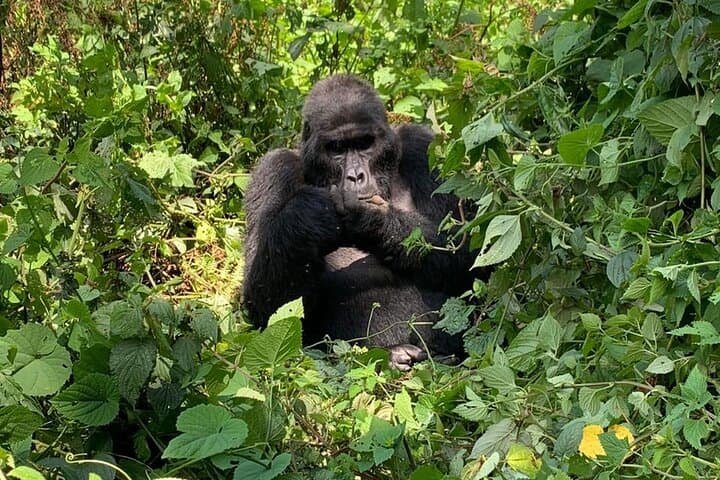
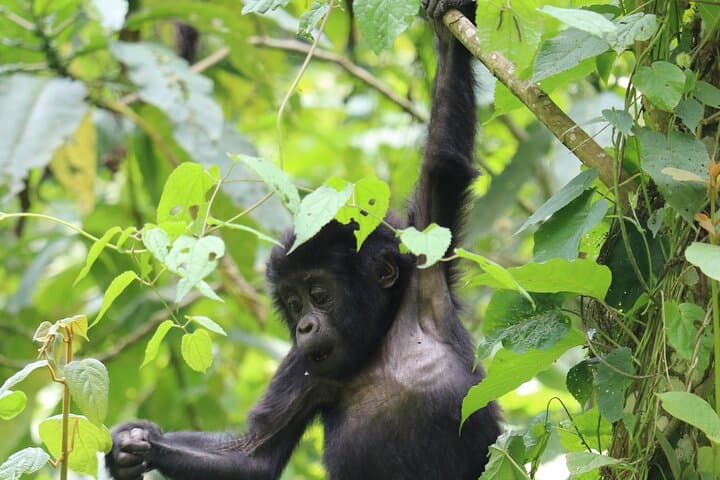
Fog clings to the forest canopy as trackers thread narrow paths between buttress roots and moss-slick trunks. On day two, the jungle feels alive in a way city maps can’t explain: leaves shiver with unseen birds, and distant branches announce the approach of gorilla families.
Fog clings to the forest canopy as trackers thread narrow paths between buttress roots and moss-slick trunks. On day two, the jungle feels alive in a way city maps can’t explain: leaves shiver with unseen birds, and distant branches announce the approach of gorilla families.
Bwindi Impenetrable Forest sits on the edge of the Albertine Rift, a volcanic backbone that carved steep ridges and sheltered highland rainforest for millennia. Designated a UNESCO World Heritage Site for its endemic flora and the largest share of the world’s mountain gorillas, the park also preserves Batwa cultural sites—remnants of an ancient forest-based hunter-gatherer culture displaced when the park was gazetted.
Visitors spend an early morning briefing at park headquarters, then hike through dense, often muddy terrain tracking habituated gorilla groups; encounters last one hour under strict proximity and health rules. The region’s geology produces sudden climbs and short, steep valleys—expect knee-pounding ascents and shaded downhill scrambles. Birding rewards slower moments: Albertine Rift endemics and broadbills favor the canopy.
Practically, permits are required and sell out months ahead; guides provide locally informed routes and a porter service can save your knees. Wear grippy boots, long sleeves to fend off nettles and insects, and pack water, snacks, and a lightweight rain shell—the forest changes mood within an hour. Respect ranger instructions: no flash photography, maintain distance, and follow hygiene rules to protect gorilla health. With planning and the right kit, a three-day itinerary from Kampala delivers a concentrated, ethically guided encounter with one of Africa’s most critical and unforgettable wildlife experiences.