THE ADVENTURE COLLECTIVE® · Independent discovery and booking for outdoor travel

Trade Kigali’s hills for the dense, ancient slopes of Bwindi on a compact 3-day itinerary that combines a shorter transfer with a Rushaga gorilla trek and a Lake Bunyonyi stop. Practical tips, permit notes and what to expect on the trail.
Trade Kigali’s hills for the dense, ancient slopes of Bwindi on a compact 3-day itinerary that combines a shorter transfer with a Rushaga gorilla trek and a Lake Bunyonyi stop. Practical tips, permit notes and what to expect on the trail.
Morning mist threads the trees as you leave Kigali and drive northwest, the road cutting through steep, cultivated ridges before the landscape closes into the dark green of Bwindi Impenetrable National Park.
Verified experiences and guided adventures in the surrounding area.
Operated by Big Apes Africa Safaris · Kisoro, Kisoro District
Morning mist threads the trees as you leave Kigali and drive northwest, the road cutting through steep, cultivated ridges before the landscape closes into the dark green of Bwindi Impenetrable National Park.
Bwindi’s forest is ancient—a patchwork of gneiss and volcanic soils folded by tectonic forces and rain—rising between roughly 1,160 and 2,600 meters. The park became a UNESCO World Heritage site for its biodiversity and the mountain gorillas that made global headlines after conservation efforts in the late 20th century. Local Batwa and Bakiga communities shape the region’s culture: markets in Kabale or Kisoro sell woven mats, bananas and local crafts, and the canoeed islands of Lake Bunyonyi offer quiet contrast after the intensity of tracking.
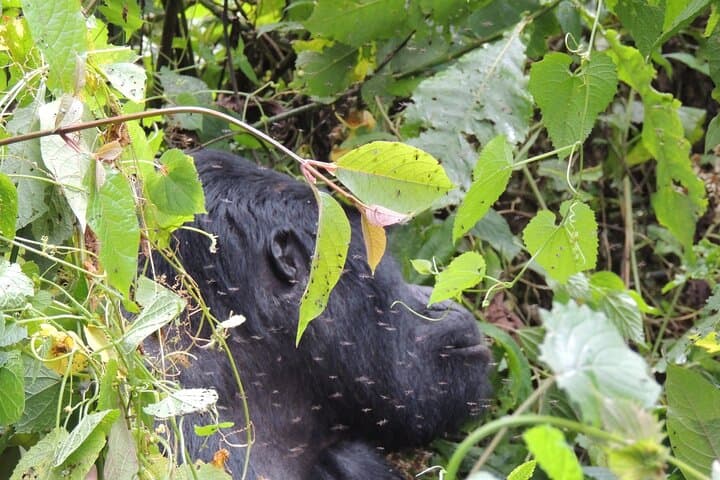
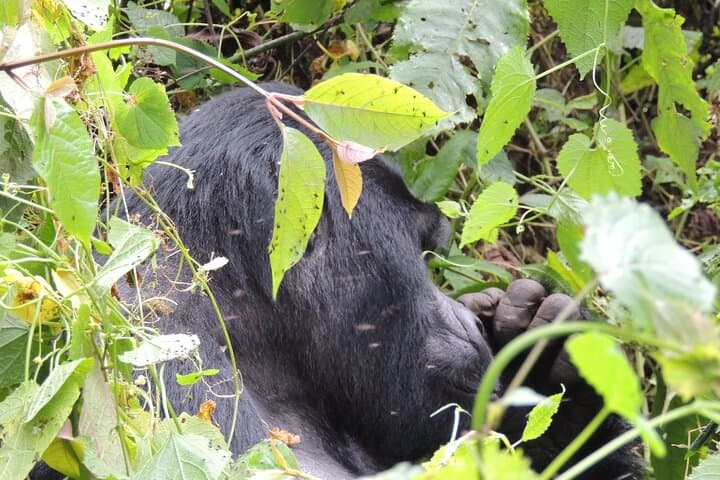
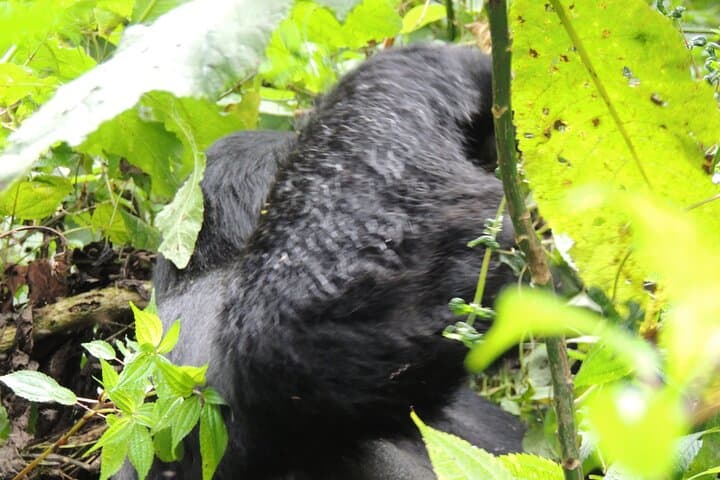
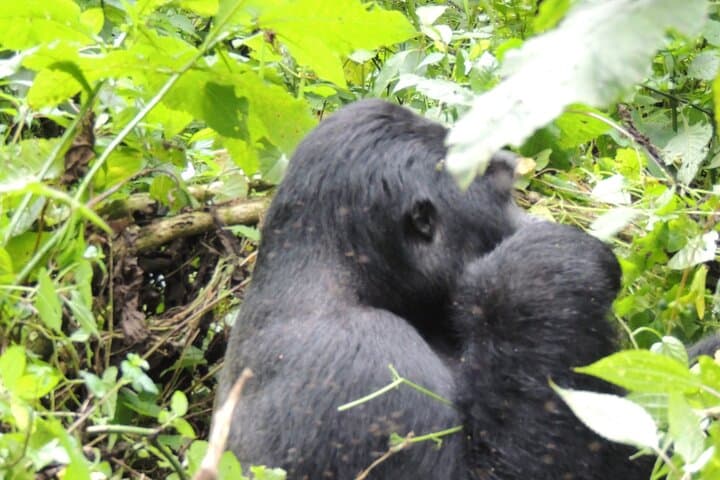
This 3-day route pairs a scenic 4–5 hour transfer from Kigali with a Rushaga-sector gorilla trek in Uganda—permits historically run around $800—followed by a cooling stop at Lake Bunyonyi. Expect steep, often muddy trails, dense understory and sideways climbs; treks can last 2–6+ hours depending on gorilla movement, with elevation changes up to several hundred meters.
Practical guidance: arrive with waterproof layers and broken-in waterproof boots, carry 1–2 liters of water, and bring a light gaiter for the leech-prone season. Attend the mandatory ranger briefing, keep the recommended distance from gorillas (about 7 meters), and limit group time to one hour. Early starts, patience, and modest fitness will make the encounter safer and more memorable.
challenging.
3 days.
Moderate to good cardiovascular fitness and the ability to handle steep, muddy trails for several hours
The transfer typically takes 4–5 hours to southern Bwindi (Rushaga) depending on border processing and road conditions.
Groups are allowed one hour with a habituated gorilla family after a mandatory briefing.
Most visitors require a visa; check current entry rules and whether you can obtain a visa on arrival or need to preapply.
This itinerary includes a gorilla permit; Uganda permits have been lower than Rwanda’s and are listed around $800—confirm current pricing when booking.
Bwindi’s forest has been a conservation focal point since the late 20th century and was designated a UNESCO World Heritage Site for its endemic species and biodiversity.
Gorilla tourism is tightly regulated—permits are limited, contact with animals is restricted and visitors are encouraged to follow ranger guidance to minimize disease transmission and habitat impact.
Big Apes Africa Safaris operates guided outdoor trips and adventures with an emphasis on safety, stewardship, and memorable experiences.
Morning mist threads the trees as you leave Kigali and drive northwest, the road cutting through steep, cultivated ridges before the landscape closes into the dark green of Bwindi Impenetrable National Park.
Morning mist threads the trees as you leave Kigali and drive northwest, the road cutting through steep, cultivated ridges before the landscape closes into the dark green of Bwindi Impenetrable National Park.
Bwindi’s forest is ancient—a patchwork of gneiss and volcanic soils folded by tectonic forces and rain—rising between roughly 1,160 and 2,600 meters. The park became a UNESCO World Heritage site for its biodiversity and the mountain gorillas that made global headlines after conservation efforts in the late 20th century. Local Batwa and Bakiga communities shape the region’s culture: markets in Kabale or Kisoro sell woven mats, bananas and local crafts, and the canoeed islands of Lake Bunyonyi offer quiet contrast after the intensity of tracking.
This 3-day route pairs a scenic 4–5 hour transfer from Kigali with a Rushaga-sector gorilla trek in Uganda—permits historically run around $800—followed by a cooling stop at Lake Bunyonyi. Expect steep, often muddy trails, dense understory and sideways climbs; treks can last 2–6+ hours depending on gorilla movement, with elevation changes up to several hundred meters.
Practical guidance: arrive with waterproof layers and broken-in waterproof boots, carry 1–2 liters of water, and bring a light gaiter for the leech-prone season. Attend the mandatory ranger briefing, keep the recommended distance from gorillas (about 7 meters), and limit group time to one hour. Early starts, patience, and modest fitness will make the encounter safer and more memorable.