THE ADVENTURE COLLECTIVE® · Independent discovery and booking for outdoor travel

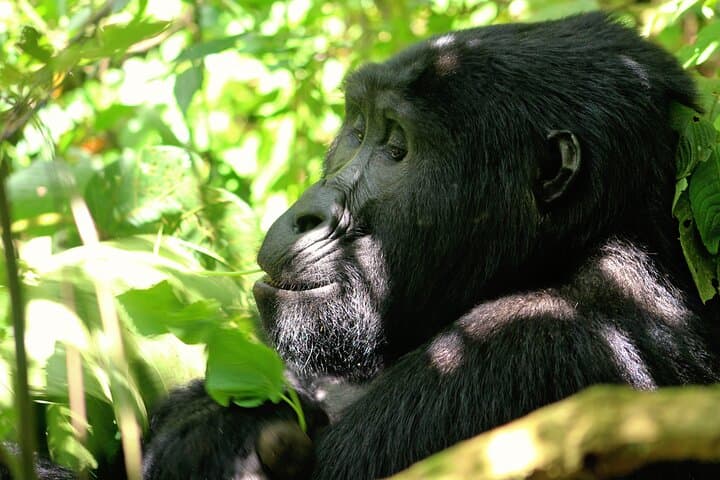
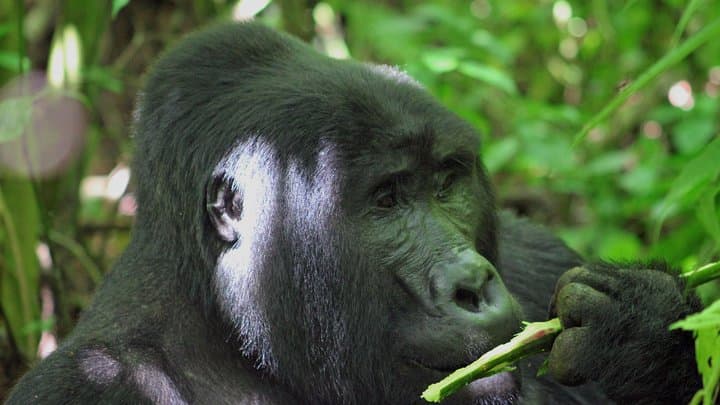
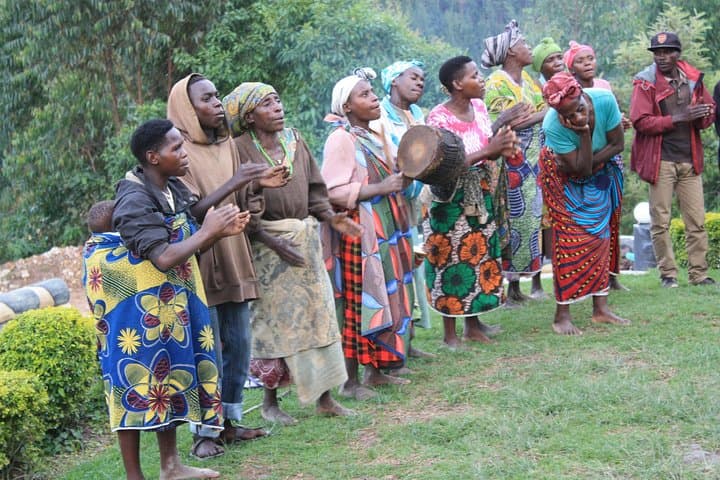
Spend three days tracking mountain gorillas in Uganda’s Bwindi Impenetrable National Park. Expect steep, muddy trails, cultural encounters with local communities, and an hour-long, guided visit with a habituated gorilla family.
Spend three days tracking mountain gorillas in Uganda’s Bwindi Impenetrable National Park. Expect steep, muddy trails, cultural encounters with local communities, and an hour-long, guided visit with a habituated gorilla family.
Morning light filters through dense leaves and the rainforest exhales damp, loamy air as your guide checks binoculars and radio. On day two you step off the trail into a green world of buttress roots and bamboo—every crack of a twig could be a troop moving through the understory. The forest feels alive; it will test your balance and reward patience.
Verified experiences and guided adventures in the surrounding area.
Operated by Primate World Safaris (U) Ltd · Rushaga, Kanungu District
Morning light filters through dense leaves and the rainforest exhales damp, loamy air as your guide checks binoculars and radio. On day two you step off the trail into a green world of buttress roots and bamboo—every crack of a twig could be a troop moving through the understory. The forest feels alive; it will test your balance and reward patience.
Bwindi Impenetrable National Park sits on the edge of the Albertine Rift, a highland mosaic carved by tectonics and volcanic flows. The park’s steep ridges and valleys capture rainfall, feeding streams that carve the forest floor. This landscape shaped both gorilla behavior and local culture: Batwa and Bakiga communities have lived alongside these forests for generations, and modern conservation evolved here as the global community rallied to protect mountain gorillas.
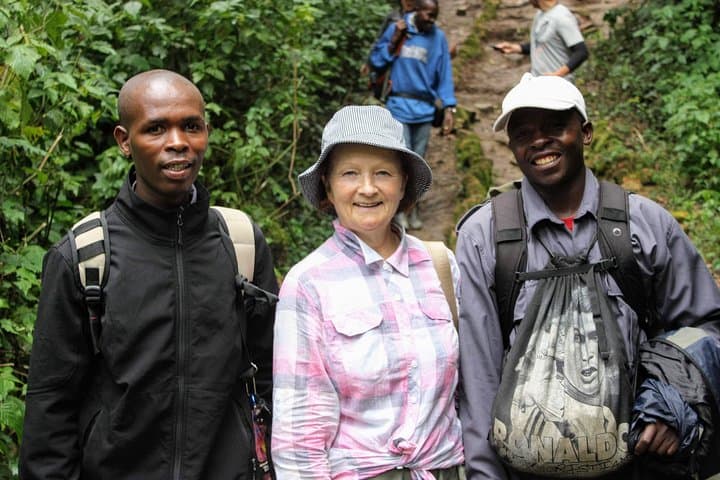
Expect hiking on uneven, often muddy terrain with sudden elevation changes; treks range from a short, gentle walk to several hours of uphill bushwhacking. Groups are limited and you get up to one hour with a habituated gorilla group once found. Guides track signs—nests, feces, torn bamboo—turning interpretation into a survival skill.
Practical advice: secure a gorilla permit well in advance, wear waterproof boots with ankle support, bring rain protection and gloves for handholds, and carry at least 2 liters of water plus snacks. Move slowly near gorillas, follow your guide’s instructions, and avoid direct eye contact. Travel time from Kampala is long—plan rest before and after the trek. For travelers seeking a high-impact wildlife experience, Bwindi delivers an intimate, physically engaging encounter with one of Earth’s most vulnerable great apes.
challenging.
3 days.
Participants should have good cardiovascular fitness and be comfortable hiking 2–6 hours on uneven, steep, and muddy trails.
Yes—an official gorilla tracking permit is required and is included in this tour; permits are limited and should be confirmed well before travel.
Trekking difficulty varies by gorilla group location; expect anything from a short, level walk to several hours of steep, muddy terrain—moderate to strong fitness recommended.
Policies vary by permit and operator; many require children to be at least 15 and able to hike safely—check with the tour provider before booking.
Rain is common—wear waterproof gear, protect camera equipment, and move deliberately on slippery sections; guides will adjust pace for safety.
Bwindi’s protection grew in the late 20th century as mountain gorilla populations declined; the park now protects several habituated gorilla groups and supports local communities.
Gorilla tracking is tightly regulated—permits fund conservation and community projects; visitors should follow strict protocols to minimize disease transmission and habitat disturbance.
Primate World Safaris (U) Ltd operates guided outdoor trips and adventures with an emphasis on safety, stewardship, and memorable experiences.
Morning light filters through dense leaves and the rainforest exhales damp, loamy air as your guide checks binoculars and radio. On day two you step off the trail into a green world of buttress roots and bamboo—every crack of a twig could be a troop moving through the understory. The forest feels alive; it will test your balance and reward patience.
Morning light filters through dense leaves and the rainforest exhales damp, loamy air as your guide checks binoculars and radio. On day two you step off the trail into a green world of buttress roots and bamboo—every crack of a twig could be a troop moving through the understory. The forest feels alive; it will test your balance and reward patience.
Bwindi Impenetrable National Park sits on the edge of the Albertine Rift, a highland mosaic carved by tectonics and volcanic flows. The park’s steep ridges and valleys capture rainfall, feeding streams that carve the forest floor. This landscape shaped both gorilla behavior and local culture: Batwa and Bakiga communities have lived alongside these forests for generations, and modern conservation evolved here as the global community rallied to protect mountain gorillas.
Expect hiking on uneven, often muddy terrain with sudden elevation changes; treks range from a short, gentle walk to several hours of uphill bushwhacking. Groups are limited and you get up to one hour with a habituated gorilla group once found. Guides track signs—nests, feces, torn bamboo—turning interpretation into a survival skill.
Practical advice: secure a gorilla permit well in advance, wear waterproof boots with ankle support, bring rain protection and gloves for handholds, and carry at least 2 liters of water plus snacks. Move slowly near gorillas, follow your guide’s instructions, and avoid direct eye contact. Travel time from Kampala is long—plan rest before and after the trek. For travelers seeking a high-impact wildlife experience, Bwindi delivers an intimate, physically engaging encounter with one of Earth’s most vulnerable great apes.