THE ADVENTURE COLLECTIVE® · Independent discovery and booking for outdoor travel

A 3-day, 2-night guided trek from Bukit Lawang into Gunung Leuser National Park that combines overnight jungle camping, guided wildlife spotting for Sumatran orangutans, and a tube-raft return down the Bohorok River. Expect muddy trails, river crossings, local guides, and basic campsites.
A 3-day, 2-night guided trek from Bukit Lawang into Gunung Leuser National Park that combines overnight jungle camping, guided wildlife spotting for Sumatran orangutans, and a tube-raft return down the Bohorok River. Expect muddy trails, river crossings, local guides, and basic campsites.
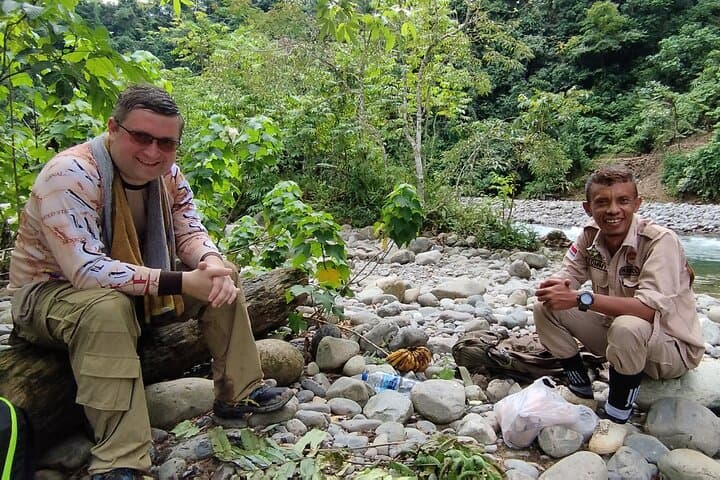
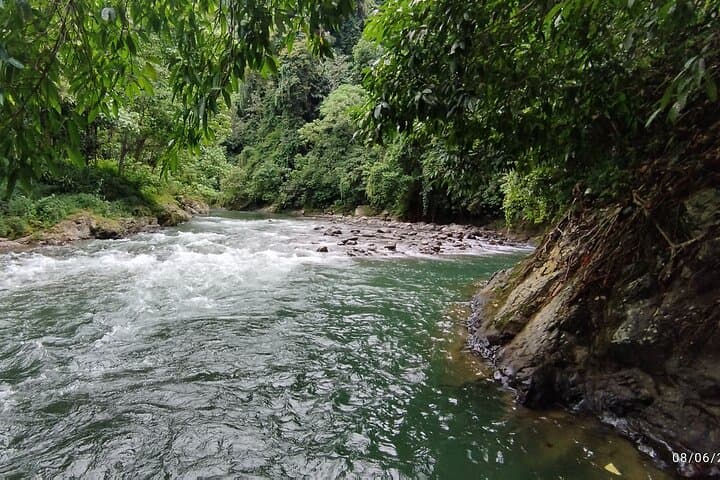
Humidity presses at the back of your neck as the trail narrows and the canopy shuts out the sky. You move in single file, boots squelching on wet leaf litter, while distant calls — gibbon whoops, macaque chatter — thread through the trees. By late afternoon the river glints like a silver ribbon and the camp cooks set up a simple stove; tomorrow you push deeper.
Verified experiences and guided adventures in the surrounding area.
Operated by Sumatra tour and travel · Bukit Lawang, North Sumatra
Humidity presses at the back of your neck as the trail narrows and the canopy shuts out the sky. You move in single file, boots squelching on wet leaf litter, while distant calls — gibbon whoops, macaque chatter — thread through the trees. By late afternoon the river glints like a silver ribbon and the camp cooks set up a simple stove; tomorrow you push deeper.
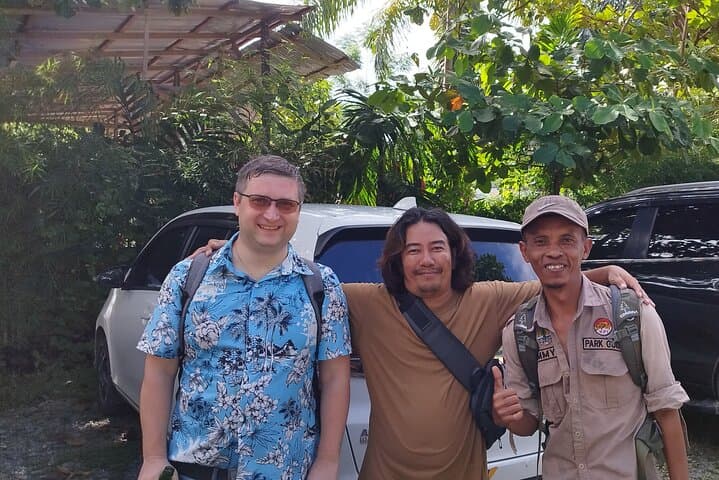
This route runs into Gunung Leuser National Park from the village of Bukit Lawang, a long-established entry point for Sumatran rainforest exploration. The forest sits on lowland alluvial soils carved by the Bohorok River; old rubber plantations and smallholder farms mark the transition from human to wild. Local guides, many from nearby Bohorok and surrounding communities, lead treks and share knowledge of medicinal plants, animal habits, and rainforest safety.
Expect two full days of hiking (roughly 12–15 hours total) covering an estimated 15–25 km with intermittent steep sections and several river crossings; cumulative elevation gain is moderate (roughly 400–600 m). Trails vary from packed earth to muddy, root-strewn climbs. Nights are in tents at basic jungle camps where water must be treated and pack weight kept light. The final morning includes a downhill walk to the Bohorok River and a tied-inner-tube float back to the village — an efficient, wet end to the trek.
Practical notes: book during the drier months for easier trails, bring waterproof gear, insect protection, and a daypack with 2–3 L water capacity. The trek is community-run in many sections—respect wildlife distance, follow guides’ instructions, and leave no trace so these routes remain open for future travelers and locals alike.
moderate.
2–3 days (approx. 12–15 hours of trekking).
Participants should have a moderate level of fitness: comfortable walking 4–6 hours on uneven terrain with a daypack and brief steep sections.
The itinerary is rated moderate: expect uneven, muddy terrain with several steep stretches and river crossings over two full trekking days; a reasonable fitness level is required.
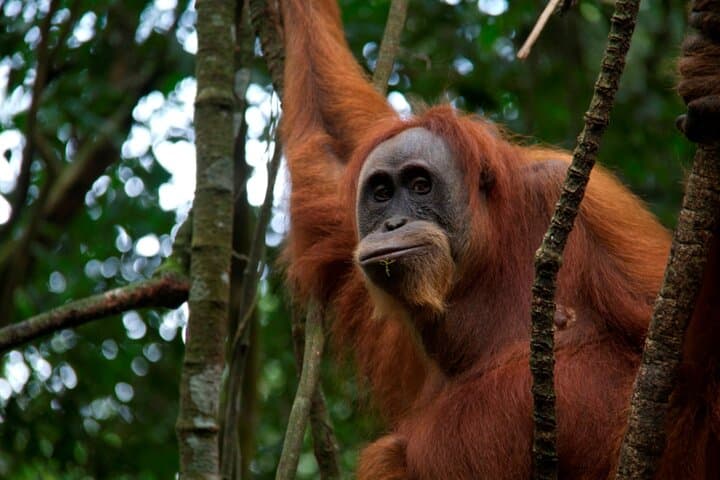
Bukit Lawang and Gunung Leuser offer good chances to see semi-wild and wild orangutans, but sightings cannot be guaranteed—wildlife is unpredictable and sightings depend on season and luck.
Nights are spent in basic jungle camps using tents provided by the operator; partner accommodation in Bukit Lawang is typically a budget ecolodge before and after the trek.
The provider notes this tour is not recommended for pregnant travelers and those with serious back or heart conditions; children can join but fitness and trail conditions should be considered.
Bukit Lawang developed as a forest-edge settlement and conservation gateway to Gunung Leuser; community-led tourism has grown since conservation work expanded in the 1980s.
Tours operate within a national park where guides follow rules to minimize disturbance; visitors are encouraged to pack out waste and avoid feeding wildlife to support long-term protection.
Sumatra tour and travel operates guided outdoor trips and adventures with an emphasis on safety, stewardship, and memorable experiences.
Humidity presses at the back of your neck as the trail narrows and the canopy shuts out the sky. You move in single file, boots squelching on wet leaf litter, while distant calls — gibbon whoops, macaque chatter — thread through the trees. By late afternoon the river glints like a silver ribbon and the camp cooks set up a simple stove; tomorrow you push deeper.
Humidity presses at the back of your neck as the trail narrows and the canopy shuts out the sky. You move in single file, boots squelching on wet leaf litter, while distant calls — gibbon whoops, macaque chatter — thread through the trees. By late afternoon the river glints like a silver ribbon and the camp cooks set up a simple stove; tomorrow you push deeper.
This route runs into Gunung Leuser National Park from the village of Bukit Lawang, a long-established entry point for Sumatran rainforest exploration. The forest sits on lowland alluvial soils carved by the Bohorok River; old rubber plantations and smallholder farms mark the transition from human to wild. Local guides, many from nearby Bohorok and surrounding communities, lead treks and share knowledge of medicinal plants, animal habits, and rainforest safety.
Expect two full days of hiking (roughly 12–15 hours total) covering an estimated 15–25 km with intermittent steep sections and several river crossings; cumulative elevation gain is moderate (roughly 400–600 m). Trails vary from packed earth to muddy, root-strewn climbs. Nights are in tents at basic jungle camps where water must be treated and pack weight kept light. The final morning includes a downhill walk to the Bohorok River and a tied-inner-tube float back to the village — an efficient, wet end to the trek.
Practical notes: book during the drier months for easier trails, bring waterproof gear, insect protection, and a daypack with 2–3 L water capacity. The trek is community-run in many sections—respect wildlife distance, follow guides’ instructions, and leave no trace so these routes remain open for future travelers and locals alike.