THE ADVENTURE COLLECTIVE® · Independent discovery and booking for outdoor travel

Three parks, three ecosystems and three days: this compact safari from Arusha puts Tarangire’s elephants, Ngorongoro’s crater basin and Lake Manyara’s wetlands within easy reach. Expect early starts, long game drives and dramatic wildlife concentrations in the dry season.
Three parks, three ecosystems and three days: this compact safari from Arusha puts Tarangire’s elephants, Ngorongoro’s crater basin and Lake Manyara’s wetlands within easy reach. Expect early starts, long game drives and dramatic wildlife concentrations in the dry season.
The engine hums as the plains unfurl: acacia crowns puncture gold grass, a river thread glints and a distant baobab throws a long shadow. On day one you push into Tarangire, where elephants move like slow weather and birdcalls fill the air; by day two you descend the amphitheater of Ngorongoro Crater, its 600m walls enclosing hippo pools, grazing buffalo and the occasional stalking cat. Lake Manyara closes the loop with papyrus edges, pink-flushed shorelines and the rare sight of tree-climbing lions.
Verified experiences and guided adventures in the surrounding area.
Operated by Tanzania Roadside Expeditions · Arusha, Arusha Region
The engine hums as the plains unfurl: acacia crowns puncture gold grass, a river thread glints and a distant baobab throws a long shadow. On day one you push into Tarangire, where elephants move like slow weather and birdcalls fill the air; by day two you descend the amphitheater of Ngorongoro Crater, its 600m walls enclosing hippo pools, grazing buffalo and the occasional stalking cat. Lake Manyara closes the loop with papyrus edges, pink-flushed shorelines and the rare sight of tree-climbing lions.
These three sites tell a geological and cultural story — Tarangire shaped by seasonal water flows along its river, Ngorongoro born from a collapsed volcano two million years ago, and Lake Manyara sitting on alkaline/groundwater-fed wetlands that attract large flocks of birds. Maasai pastoralists still inhabit the highlands around the crater; their cattle appear beside wildebeest on crater slopes, a living reminder of human–wildlife coexistence.
Practically, this is a compact, vehicle-based safari that moves from Arusha and uses Octagon Lodge as a night base. Park fees and most meals are included; expect early starts for the best light and animal activity. Dry season (June–November) concentrates wildlife at permanent water, while the wet months bring lush scenery and migratory birds. Bring a telephoto lens, layered clothing for chilly crater mornings, sun protection, and a refillable water bottle. Drive times between parks are a few hours—use them to scan horizons and rest between game drives. With accessible roads and a professional guide, the trip is designed for travelers of average fitness who want maximum wildlife viewing in a short window.
easy.
3 days.
Suitable for most travelers with average mobility; some walking at viewpoints and short trails may be required.
Most safaris depart from Arusha; pick-up is commonly arranged from hotels or the airport—confirm your pickup location and time when booking.
This itinerary notes national park fees are included, but always double-check your booking confirmation for any additional levies.
The tour is listed as suitable for all fitness levels; children must be accompanied by an adult and some vehicle access is wheelchair-friendly, but check specifics with the operator.
Expect large elephant herds in Tarangire, the crater’s mixed grazers and predators including lions and possibly rhino, and abundant birds plus tree-climbing lions at Lake Manyara.
Ngorongoro Crater formed when a giant volcano collapsed around two million years ago; Maasai communities have grazed the highlands for centuries alongside wildlife.
Ngorongoro and the surrounding highlands are managed to balance tourism, pastoralism and wildlife protection; visitors should follow park rules, avoid feeding animals and minimize waste.
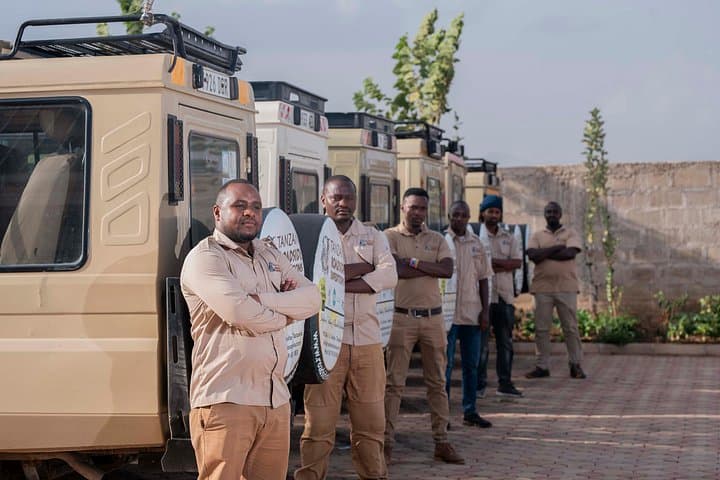
Tanzania Roadside Expeditions operates guided outdoor trips and adventures with an emphasis on safety, stewardship, and memorable experiences.
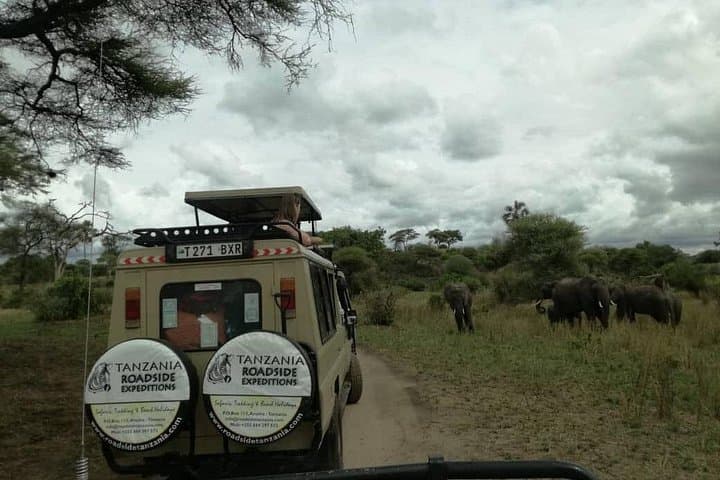
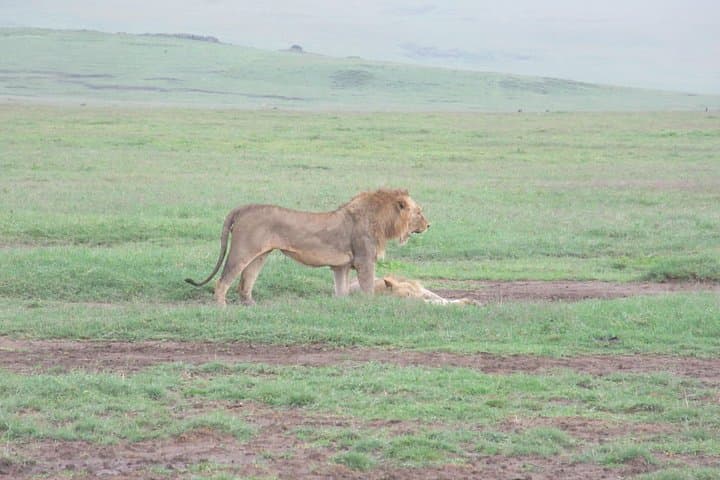
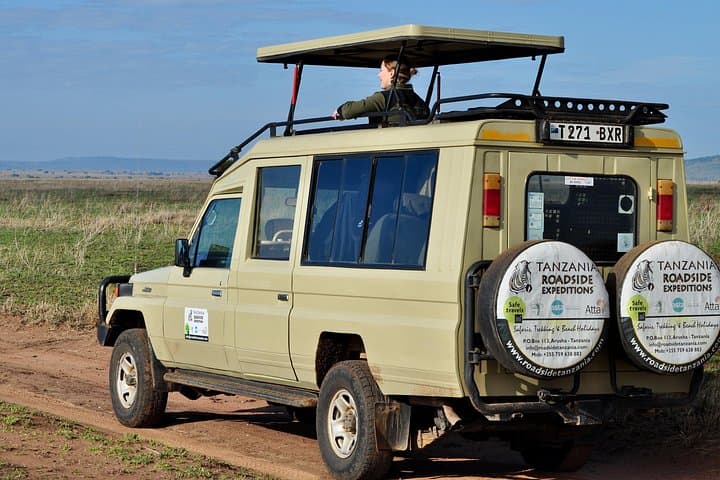
The engine hums as the plains unfurl: acacia crowns puncture gold grass, a river thread glints and a distant baobab throws a long shadow. On day one you push into Tarangire, where elephants move like slow weather and birdcalls fill the air; by day two you descend the amphitheater of Ngorongoro Crater, its 600m walls enclosing hippo pools, grazing buffalo and the occasional stalking cat. Lake Manyara closes the loop with papyrus edges, pink-flushed shorelines and the rare sight of tree-climbing lions.
The engine hums as the plains unfurl: acacia crowns puncture gold grass, a river thread glints and a distant baobab throws a long shadow. On day one you push into Tarangire, where elephants move like slow weather and birdcalls fill the air; by day two you descend the amphitheater of Ngorongoro Crater, its 600m walls enclosing hippo pools, grazing buffalo and the occasional stalking cat. Lake Manyara closes the loop with papyrus edges, pink-flushed shorelines and the rare sight of tree-climbing lions.
These three sites tell a geological and cultural story — Tarangire shaped by seasonal water flows along its river, Ngorongoro born from a collapsed volcano two million years ago, and Lake Manyara sitting on alkaline/groundwater-fed wetlands that attract large flocks of birds. Maasai pastoralists still inhabit the highlands around the crater; their cattle appear beside wildebeest on crater slopes, a living reminder of human–wildlife coexistence.
Practically, this is a compact, vehicle-based safari that moves from Arusha and uses Octagon Lodge as a night base. Park fees and most meals are included; expect early starts for the best light and animal activity. Dry season (June–November) concentrates wildlife at permanent water, while the wet months bring lush scenery and migratory birds. Bring a telephoto lens, layered clothing for chilly crater mornings, sun protection, and a refillable water bottle. Drive times between parks are a few hours—use them to scan horizons and rest between game drives. With accessible roads and a professional guide, the trip is designed for travelers of average fitness who want maximum wildlife viewing in a short window.