THE ADVENTURE COLLECTIVE® · Independent discovery and booking for outdoor travel

Spend three days moving from Kampala through highland farms to the misted slopes of Bwindi Impenetrable Forest for a one-hour, face-to-face experience with mountain gorillas. This budget itinerary balances basic lodgings with guided treks and conservation-led briefings.
Spend three days moving from Kampala through highland farms to the misted slopes of Bwindi Impenetrable Forest for a one-hour, face-to-face experience with mountain gorillas. This budget itinerary balances basic lodgings with guided treks and conservation-led briefings.
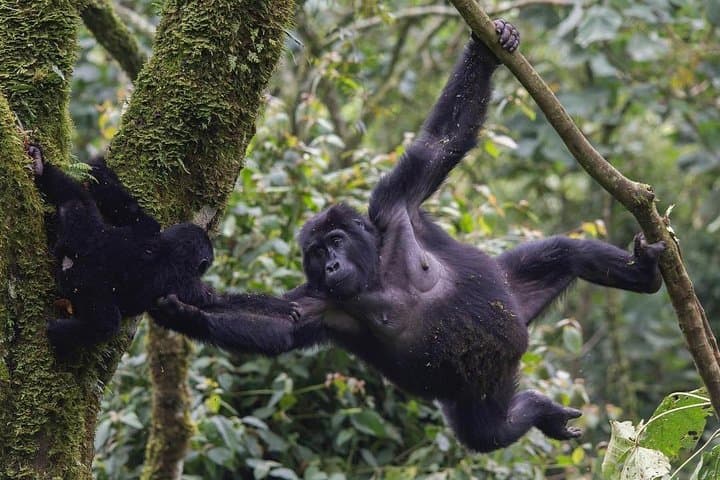
Mist hangs low between mossy trunks as dawn breaks over Bwindi Impenetrable Forest, and the group moves quietly along animal paths that cut through dense, dripping undergrowth. Guides scan the canopy and the forest floor; a rustle and the expedition pauses—this is the close, slow world where mountain gorillas live.
Verified experiences and guided adventures in the surrounding area.
Operated by Wild Jungle Trails Safaris · Kisoro, Western Region
Mist hangs low between mossy trunks as dawn breaks over Bwindi Impenetrable Forest, and the group moves quietly along animal paths that cut through dense, dripping undergrowth. Guides scan the canopy and the forest floor; a rustle and the expedition pauses—this is the close, slow world where mountain gorillas live.
Bwindi is an ancient montane forest on the western Rift flank, one of the last refuges of the eastern gorilla. Designated a UNESCO World Heritage Site, its geology of steep ridges and deep valleys funnels moisture into moss-draped trees and a patchwork of microhabitats. Local Bakiga and Batwa communities share cultural ties to the forest; visitor fees and permits are integral to conservation and community programs here.
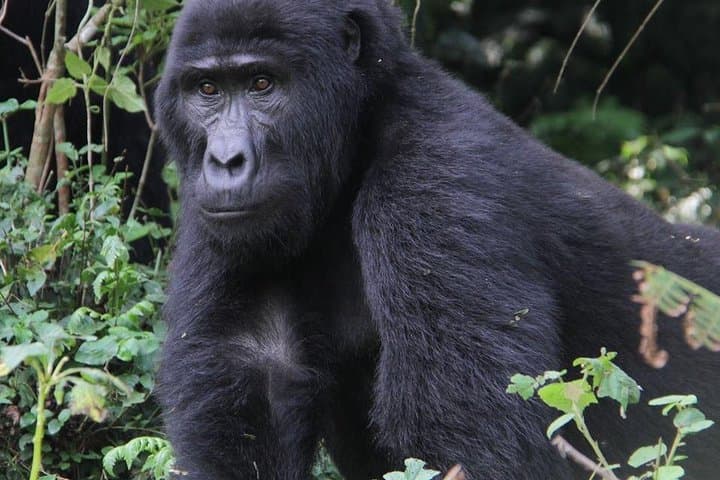
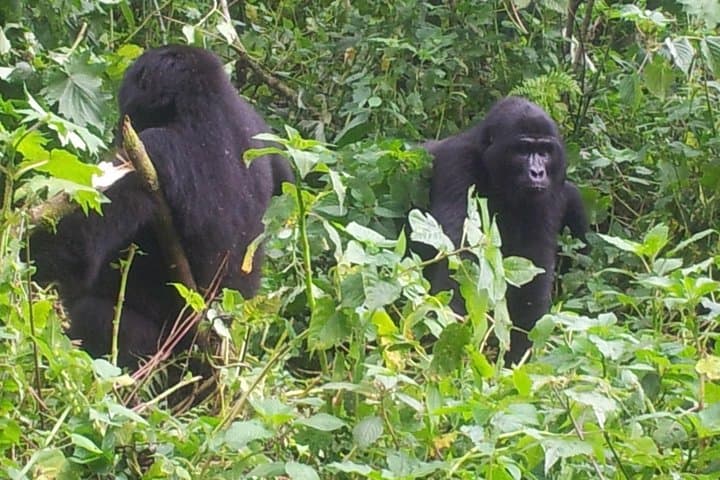
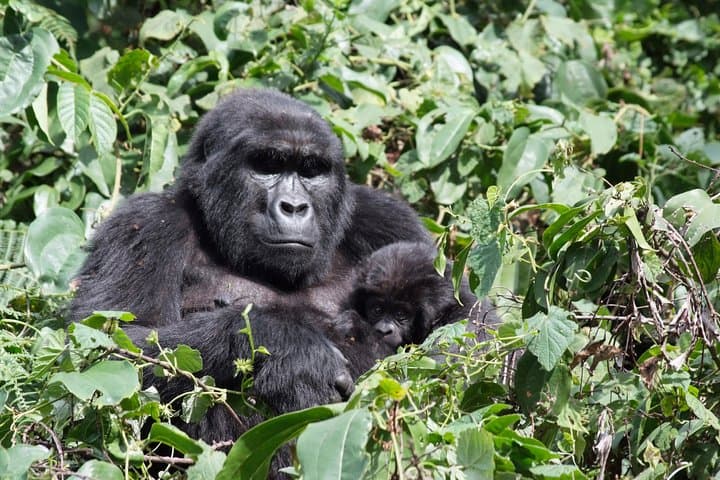
On day two, after a morning briefing at the park office, trekkers follow guides along slippery animal trails. Treks range from quick encounters to half-day climbs depending on gorilla movement; once located, visitors have one hour to observe. Expect steep, muddy slopes, creeper tangles, and intermittent open clearings where silverbacks move with deliberate curiosity.
Practical guidance: book your gorilla permit well in advance—permits are limited and non-transferable. Wear sturdy, waterproof boots and bring gaiters, gloves, and a lightweight rain shell; a walking stick can be rented locally. Hydrate and pace yourself: altitude and humidity make even short hikes taxing. Respect park rules—keep your distance, silence phones, and follow guides’ instructions to protect gorilla health.
This budget option pairs economy lodgings with an intense wildlife encounter: intimate, regulated, and firmly rooted in local conservation efforts.
moderate.
3 days.
Moderate fitness—able to handle several hours of uphill and downhill walking on uneven, muddy trails; not technical climbing.
Trek time varies: groups can find gorillas within 30 minutes to several hours; the park allows one hour with the gorillas once located.
Yes—each visitor must have a gorilla trekking permit issued by Uganda Wildlife Authority; purchase well in advance.
While tours may be marketed as accessible, trekking involves steep, muddy terrain; basic cardio fitness and stable footing are recommended.
Children under 15 are generally not permitted to participate in gorilla trekking for safety and disease-risk reasons; check current park rules before booking.
Bwindi preserves ancient montane forest that stretches back millennia; the park became a UNESCO site in 1994 to protect its endemic species.
Gorilla tourism is tightly regulated—limited permits fund park protection and community projects; follow park rules to reduce disease transmission and habitat impact.
Wild Jungle Trails Safaris operates guided outdoor trips and adventures with an emphasis on safety, stewardship, and memorable experiences.
Mist hangs low between mossy trunks as dawn breaks over Bwindi Impenetrable Forest, and the group moves quietly along animal paths that cut through dense, dripping undergrowth. Guides scan the canopy and the forest floor; a rustle and the expedition pauses—this is the close, slow world where mountain gorillas live.
Mist hangs low between mossy trunks as dawn breaks over Bwindi Impenetrable Forest, and the group moves quietly along animal paths that cut through dense, dripping undergrowth. Guides scan the canopy and the forest floor; a rustle and the expedition pauses—this is the close, slow world where mountain gorillas live.
Bwindi is an ancient montane forest on the western Rift flank, one of the last refuges of the eastern gorilla. Designated a UNESCO World Heritage Site, its geology of steep ridges and deep valleys funnels moisture into moss-draped trees and a patchwork of microhabitats. Local Bakiga and Batwa communities share cultural ties to the forest; visitor fees and permits are integral to conservation and community programs here.
On day two, after a morning briefing at the park office, trekkers follow guides along slippery animal trails. Treks range from quick encounters to half-day climbs depending on gorilla movement; once located, visitors have one hour to observe. Expect steep, muddy slopes, creeper tangles, and intermittent open clearings where silverbacks move with deliberate curiosity.
Practical guidance: book your gorilla permit well in advance—permits are limited and non-transferable. Wear sturdy, waterproof boots and bring gaiters, gloves, and a lightweight rain shell; a walking stick can be rented locally. Hydrate and pace yourself: altitude and humidity make even short hikes taxing. Respect park rules—keep your distance, silence phones, and follow guides’ instructions to protect gorilla health.
This budget option pairs economy lodgings with an intense wildlife encounter: intimate, regulated, and firmly rooted in local conservation efforts.