
3-Day Budget Camping Safari to Ngorongoro, Tarangire & Lake Manyara
See Lake Manyara’s flamingos, descend 600m into Ngorongoro Crater, and watch elephant herds in Tarangire on a 3‑day budget camping safari. This joining group trip starts and ends in Arusha with public campsites and included meals.
An Adventure In Arusha.
See Lake Manyara’s flamingos, descend 600m into Ngorongoro Crater, and watch elephant herds in Tarangire on a 3‑day budget camping safari. This joining group trip starts and ends in Arusha with public campsites and included meals.
Read the full experience
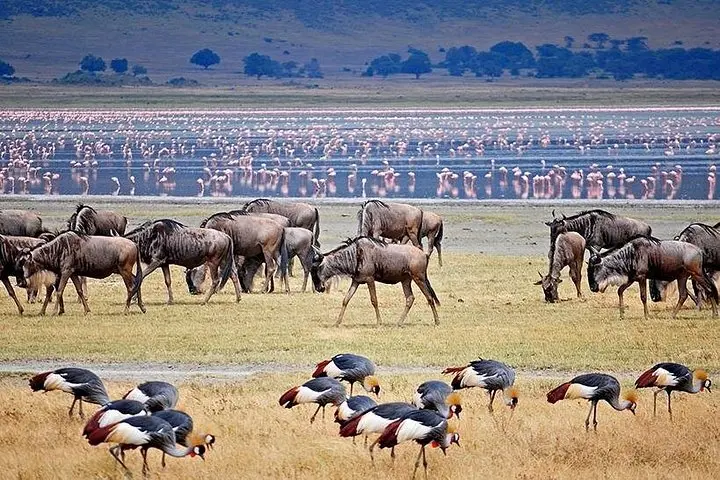
Dawn in Arusha feels like a quiet command: vehicles line up, drivers check tires, and the road pushes north toward the Rift Valley escarpment. By midday the landscape opens to a shallow soda lake at Lake Manyara, where flamingos scatter like confetti on still water and a band of elephants amble along the shore.
Dawn in Arusha feels like a quiet command: vehicles line up, drivers check tires, and the road pushes north toward the Rift Valley escarpment. By midday the landscape opens to a shallow soda lake at Lake Manyara, where flamingos scatter like confetti on still water and a band of elephants amble along the shore.
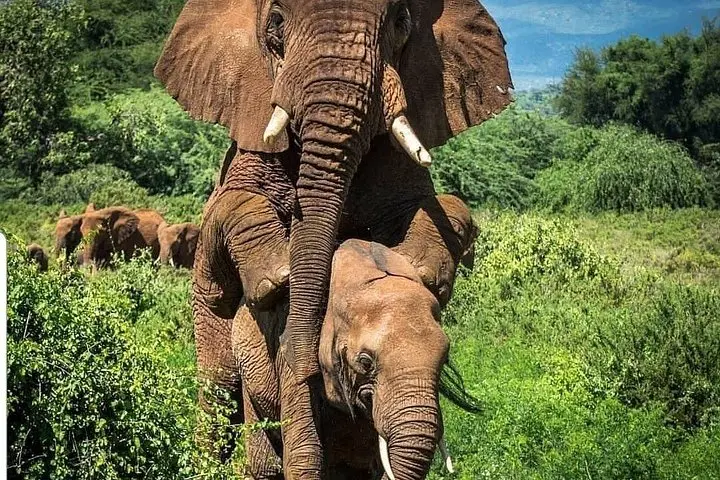
The route moves from lake shore to crater rim: Ngorongoro is not a hole but a collapsed volcano whose 600‑meter descent opens onto a crowded plain of plains — hippo pools, grazing zebra, and predators that use the crater’s natural walls as a hunting theater. Tarangire finishes the circuit with its baobab-studded woodland and river-fed swamps that lure large elephant herds when the dry season clamps down.
Geology here is readable: volcanic uplift carved the rim, seasonal rains feed soda flats, and river corridors stitch the parks together. The Maasai maintain visible cultural ties on surrounding lands; their pastoral patterns shape grazing corridors and local conservation discussions.
Practically, this is a budget joining camping safari that starts and ends in Arusha and runs over three days with public campsite accommodation, park fees, and many meals included. Expect early starts, long game‑drive windows, dusty tracks, and basic camping comforts — the operator supplies tents and some camping gear. Pack layered clothing for cold crater mornings, sun protection, insect repellent, and a small daypack for camera gear. Bring local currency for optional tips and purchases. With attentive guides and open vehicles, the itinerary balances reliable wildlife viewing with no‑frills camping logistics — an efficient way to see three of northern Tanzania’s standout ecosystems in one compact trip.
Frequently asked questions
This is a budget camping safari using public campsites with basic amenities; tents and some camping gear are provided but expect communal facilities and simple meals.
The tour description lists lunches, breakfasts and dinners included for the itinerary and indicates fees and taxes are covered — confirm specifics at booking for any optional extras.
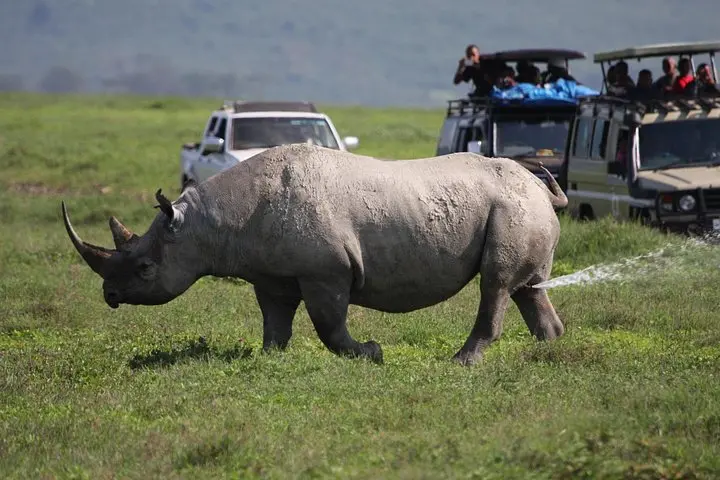
Ngorongoro is one of the last refuges for black rhino in Tanzania, but sightings are uncommon; the crater reliably supports high densities of other large mammals and predators.
Yes — it’s a joining group safari designed for single travelers or couples; bookings typically mix passengers to fill shared vehicle spots.
About This Experience
Wildtrip Safaris Tanzania operates guided outdoor trips and adventures with an emphasis on safety, stewardship, and memorable experiences.
Adventure tips
Recommended gear
- Layered clothing (fleece + windshell): Mornings in Ngorongoro can be cold; layers let you adapt from dawn through hot afternoons.
- Closed-toe walking shoes: Durable shoes protect against rocky campsite terrain and short walks during game drives.
- Binoculars and camera with zoom: Wildlife viewing improves with optics; a zoom lens helps capture animals at distance.
- Insect repellent and sunscreen: Protects against mosquitoes at camp and strong equatorial sun during daytime drives.
Photos of the experience
Related adventures & guides
Read the full experience
Dawn in Arusha feels like a quiet command: vehicles line up, drivers check tires, and the road pushes north toward the Rift Valley escarpment. By midday the landscape opens to a shallow soda lake at Lake Manyara, where flamingos scatter like confetti on still water and a band of elephants amble along the shore.
Dawn in Arusha feels like a quiet command: vehicles line up, drivers check tires, and the road pushes north toward the Rift Valley escarpment. By midday the landscape opens to a shallow soda lake at Lake Manyara, where flamingos scatter like confetti on still water and a band of elephants amble along the shore.
The route moves from lake shore to crater rim: Ngorongoro is not a hole but a collapsed volcano whose 600‑meter descent opens onto a crowded plain of plains — hippo pools, grazing zebra, and predators that use the crater’s natural walls as a hunting theater. Tarangire finishes the circuit with its baobab-studded woodland and river-fed swamps that lure large elephant herds when the dry season clamps down.
Geology here is readable: volcanic uplift carved the rim, seasonal rains feed soda flats, and river corridors stitch the parks together. The Maasai maintain visible cultural ties on surrounding lands; their pastoral patterns shape grazing corridors and local conservation discussions.
Practically, this is a budget joining camping safari that starts and ends in Arusha and runs over three days with public campsite accommodation, park fees, and many meals included. Expect early starts, long game‑drive windows, dusty tracks, and basic camping comforts — the operator supplies tents and some camping gear. Pack layered clothing for cold crater mornings, sun protection, insect repellent, and a small daypack for camera gear. Bring local currency for optional tips and purchases. With attentive guides and open vehicles, the itinerary balances reliable wildlife viewing with no‑frills camping logistics — an efficient way to see three of northern Tanzania’s standout ecosystems in one compact trip.
Make a day of it nearby.
Verified experiences and guided adventures in the surrounding area.