THE ADVENTURE COLLECTIVE® · Independent discovery and booking for outdoor travel

Ascend to Mt. Bisoke’s crater lake, cruise the mirror-blue Twin Lakes and try traditional Rwandan beekeeping on this focused three-day journey. Early starts, steep volcanic trails and local cultural stops make this a compact, physically engaging tour.
Ascend to Mt. Bisoke’s crater lake, cruise the mirror-blue Twin Lakes and try traditional Rwandan beekeeping on this focused three-day journey. Early starts, steep volcanic trails and local cultural stops make this a compact, physically engaging tour.
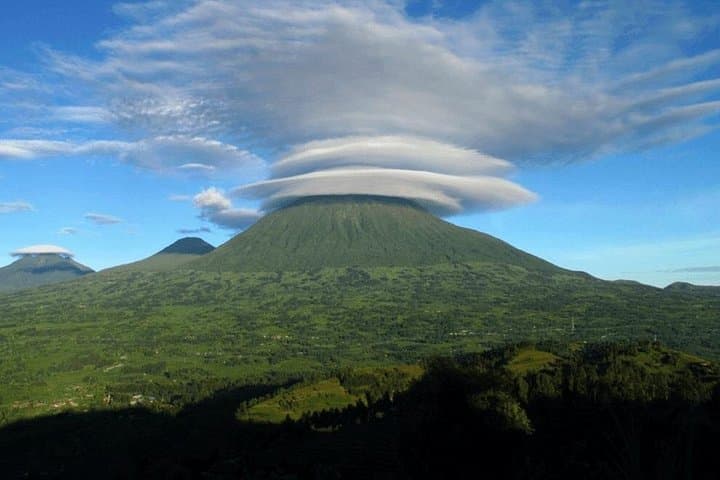
You step out before dawn at Kinigi park headquarters; cool mountain air pins your breath to your cheeks and the conic bulk of Mt. Bisoke looms dark against the first light. The trail climbs through a corridor of bamboo, then opens into Hagenia and Hypericum forest, the plants seeming to steer you upward until lobelia and Senecio crowd the path near the crater.
Verified experiences and guided adventures in the surrounding area.
Operated by African Travellers Ltd · Musanze, Northern Province
You step out before dawn at Kinigi park headquarters; cool mountain air pins your breath to your cheeks and the conic bulk of Mt. Bisoke looms dark against the first light. The trail climbs through a corridor of bamboo, then opens into Hagenia and Hypericum forest, the plants seeming to steer you upward until lobelia and Senecio crowd the path near the crater.
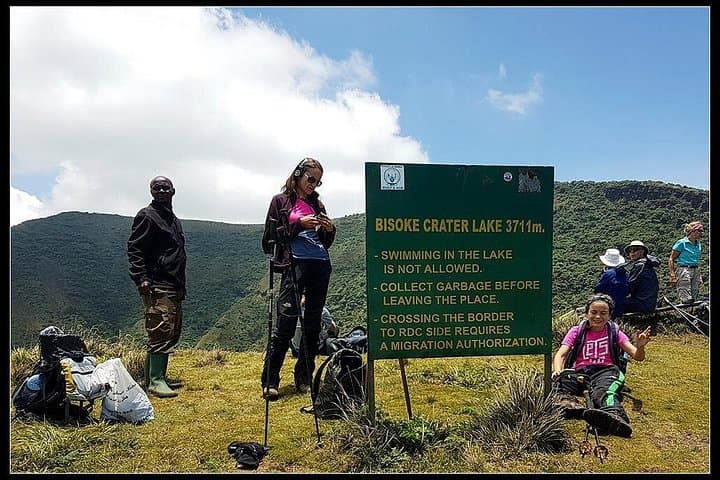
Bisoke reaches 3,711 m and hides a deep crater lake, Lake Ngezi, whose still surface dares you to imagine the volcano’s last breath. The route is volcanic—steep switchbacks on loam and rock, occasional muddy steps after rain, and clearings that frame the Virunga range. Start times are early: groups assemble at Kinigi around 7 a.m.; many itineraries run three days from Kigali with nights based in Musanze and drives to Burera and Ruhondo for the Twin Lakes segment.
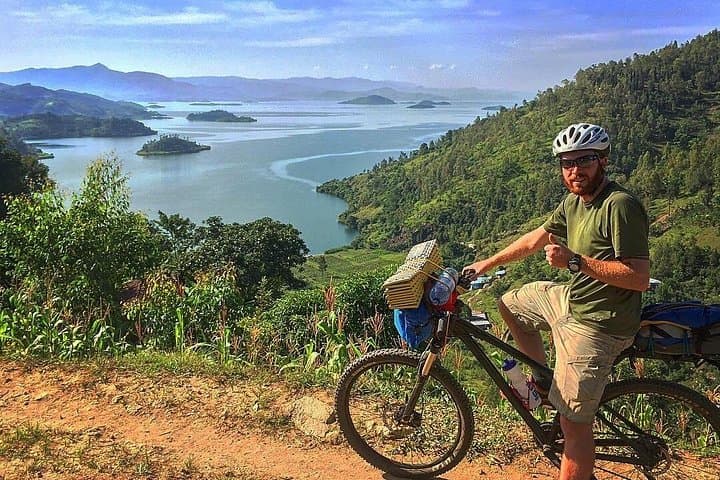
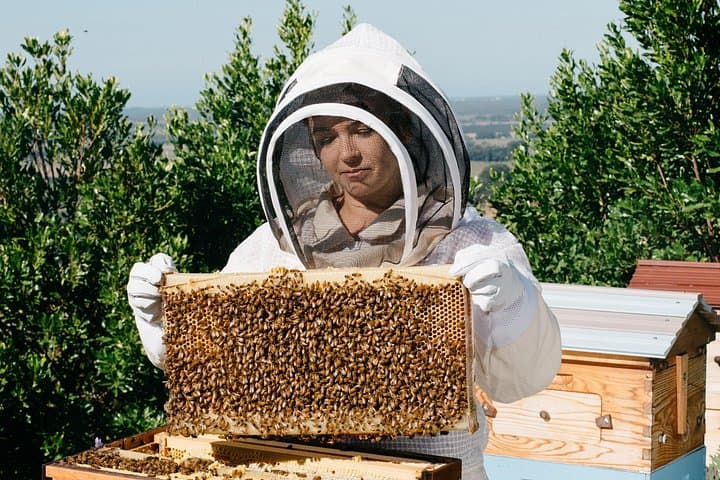
History here is layered: the Virungas are young volcanoes shaped by tectonic strain, and local communities have long practiced beekeeping on steep terraces. The Twin Lakes are separated by a narrow isthmus and offer calm water, birdlife, and a reflective view of the surrounding peaks. Beekeeping visits show traditional hives and a chance to harvest honey in protective gear.
Practical guidance: expect 4–7 hours of hiking on Day 1 depending on pace; bring sturdy boots, rain protection and a filled water bladder. Hire a registered guide and carry basic first aid—altitude and steep descents reward conservative pacing. Plan travel in the drier months for firmer trails, but prepare for quick weather shifts year-round.
challenging.
3 days (approx. 72 hours total with guided activities).
Good cardiovascular fitness and experience with sustained uphill hiking; comfortable with several hours of walking at altitude.
A park permit and a registered guide are required to hike within Volcanoes National Park; these are typically arranged by the tour operator and included in the booking.
The ascent is steep and can take 3–5 hours depending on fitness and trail conditions; expect 6–7 hours round trip for less experienced hikers.
This itinerary focuses on Mt. Bisoke, Twin Lakes and beekeeping—gorilla trekking is a separate permit-based activity not automatically included unless specified by the operator.
Drier months give firmer trails—June–September and December–February are typically easier for hiking, while the long rains (March–May) make trails muddier and slower.
The Virunga volcanoes are geologically young and have shaped local settlement and agriculture; beekeeping here is a long-standing community practice tied to household income.
Volcanoes National Park is managed to protect endangered species and fragile habitats; visitors should follow guide instructions, avoid littering and stick to established trails to minimize impact.
African Travellers Ltd operates guided outdoor trips and adventures with an emphasis on safety, stewardship, and memorable experiences.
You step out before dawn at Kinigi park headquarters; cool mountain air pins your breath to your cheeks and the conic bulk of Mt. Bisoke looms dark against the first light. The trail climbs through a corridor of bamboo, then opens into Hagenia and Hypericum forest, the plants seeming to steer you upward until lobelia and Senecio crowd the path near the crater.
You step out before dawn at Kinigi park headquarters; cool mountain air pins your breath to your cheeks and the conic bulk of Mt. Bisoke looms dark against the first light. The trail climbs through a corridor of bamboo, then opens into Hagenia and Hypericum forest, the plants seeming to steer you upward until lobelia and Senecio crowd the path near the crater.
Bisoke reaches 3,711 m and hides a deep crater lake, Lake Ngezi, whose still surface dares you to imagine the volcano’s last breath. The route is volcanic—steep switchbacks on loam and rock, occasional muddy steps after rain, and clearings that frame the Virunga range. Start times are early: groups assemble at Kinigi around 7 a.m.; many itineraries run three days from Kigali with nights based in Musanze and drives to Burera and Ruhondo for the Twin Lakes segment.
History here is layered: the Virungas are young volcanoes shaped by tectonic strain, and local communities have long practiced beekeeping on steep terraces. The Twin Lakes are separated by a narrow isthmus and offer calm water, birdlife, and a reflective view of the surrounding peaks. Beekeeping visits show traditional hives and a chance to harvest honey in protective gear.
Practical guidance: expect 4–7 hours of hiking on Day 1 depending on pace; bring sturdy boots, rain protection and a filled water bladder. Hire a registered guide and carry basic first aid—altitude and steep descents reward conservative pacing. Plan travel in the drier months for firmer trails, but prepare for quick weather shifts year-round.