THE ADVENTURE COLLECTIVE® · Independent discovery and booking for outdoor travel

Three days in Cairo takes you from the Giza Plateau’s ancient stones to the crowded alleys of Khan el-Khalili and the halls of the Egyptian Museum. This compact itinerary combines major archaeological sites with Ottoman-era architecture and practical tips for navigating the city.
Three days in Cairo takes you from the Giza Plateau’s ancient stones to the crowded alleys of Khan el-Khalili and the halls of the Egyptian Museum. This compact itinerary combines major archaeological sites with Ottoman-era architecture and practical tips for navigating the city.
You arrive on the Giza Plateau at first light: wind skims the limestone faces and the three pyramids loom, patient and enormous, daring you to measure time by stone. Over three days the city pulls you through eras—Pharaonic tombs, Ottoman mosques, and bustling market lanes—each neighborhood revealing a different tempo of Cairo.
Verified experiences and guided adventures in the surrounding area.
Operated by Oman Day Tours · Cairo, Cairo Governorate
You arrive on the Giza Plateau at first light: wind skims the limestone faces and the three pyramids loom, patient and enormous, daring you to measure time by stone. Over three days the city pulls you through eras—Pharaonic tombs, Ottoman mosques, and bustling market lanes—each neighborhood revealing a different tempo of Cairo.
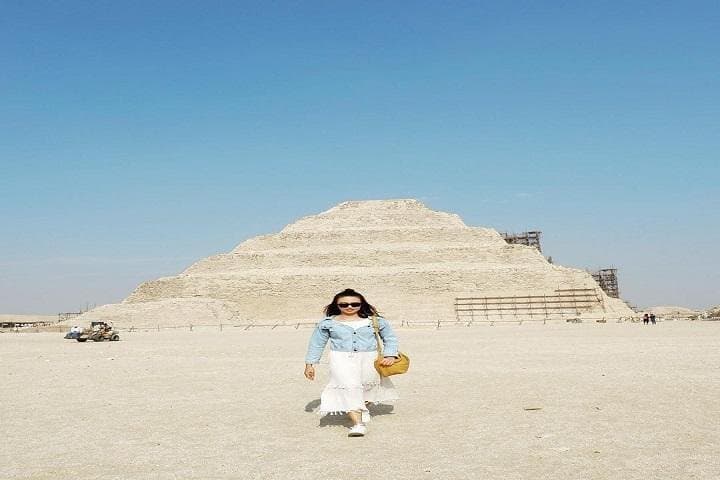
History and geology are obvious here: the Great Pyramid (built c. 2560 BCE) and the Step Pyramid at Saqqara (circa 4,700 years old) sit on wind-scoured limestone forming raised plateaus above the Nile floodplain. Saladin’s Citadel (12th century) crowns Mokattam Hill, while the 19th-century Alabaster Mosque of Muhammad Ali frames sweeping city views. Khan el-Khalili’s souk preserves a Mamluk-era market pattern; the Egyptian Museum holds roughly 120,000 objects, including Tutankhamen’s treasures.
Practical guidance is straightforward. The itinerary averages several hours at major sites and requires repeated walking on uneven stone, stairs, and sandy tracks—expect 3–6 miles of walking across a day. Start early to avoid midday heat, carry at least 1–2 liters of water, and wear closed shoes for rough surfaces. Modest dress is required in mosques; keep a scarf or lightweight layer handy. Bring original passport and a photocopy for museum or tomb entries, small bills for tips, and a trusted guide to navigate ticket lines and bargaining in bazaars. Transfers are by air-conditioned vehicle, and sites often include entrance fees; plan for quick museum visits or extend time if you’re a history buff. This three-day loop is compact but dense—built for travelers who want the essentials of Cairo with efficient logistics and time to absorb its layered history.
moderate.
2–3 days.
Moderate fitness—able to walk several miles a day, climb stairs and tolerate uneven stone surfaces.
Yes—this itinerary includes entrance fees and the services of an Egyptologist guide, plus A/C transfers as listed.
Not recommended for travelers with significant mobility limitations due to stairs, uneven surfaces and extended walking at archaeological sites.
Carry Egyptian pounds for small purchases and tips; tipping (baksheesh) is customary for guides, drivers and service staff—small amounts are typical.
Bring your passport for ticketing and museum entries; a photocopy is helpful to carry daily while leaving the original secured.
Cairo’s core layers span Pharaonic necropolises on limestone plateaus, medieval Islamic neighborhoods developed under the Fatimids and Mamluks, and 19th-century modernization under Muhammad Ali Pasha.
High visitor numbers create strain on fragile monuments and museum conservation; follow site rules, avoid touching masonry, and use licensed guides to reduce crowding and impact.
Oman Day Tours operates guided outdoor trips and adventures with an emphasis on safety, stewardship, and memorable experiences.

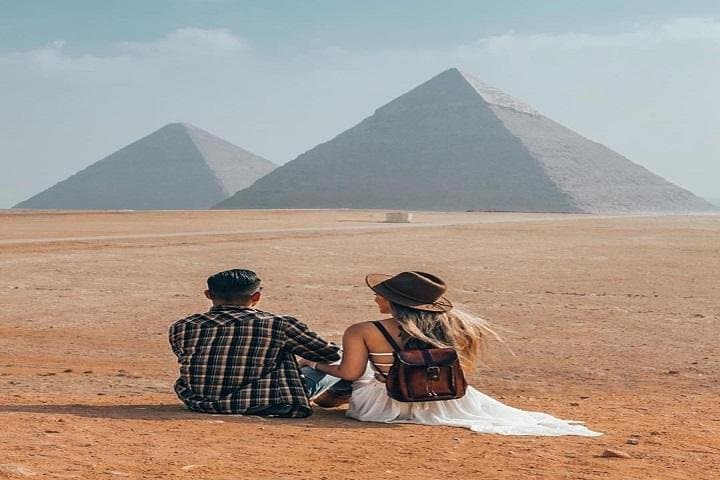
You arrive on the Giza Plateau at first light: wind skims the limestone faces and the three pyramids loom, patient and enormous, daring you to measure time by stone. Over three days the city pulls you through eras—Pharaonic tombs, Ottoman mosques, and bustling market lanes—each neighborhood revealing a different tempo of Cairo.
You arrive on the Giza Plateau at first light: wind skims the limestone faces and the three pyramids loom, patient and enormous, daring you to measure time by stone. Over three days the city pulls you through eras—Pharaonic tombs, Ottoman mosques, and bustling market lanes—each neighborhood revealing a different tempo of Cairo.
History and geology are obvious here: the Great Pyramid (built c. 2560 BCE) and the Step Pyramid at Saqqara (circa 4,700 years old) sit on wind-scoured limestone forming raised plateaus above the Nile floodplain. Saladin’s Citadel (12th century) crowns Mokattam Hill, while the 19th-century Alabaster Mosque of Muhammad Ali frames sweeping city views. Khan el-Khalili’s souk preserves a Mamluk-era market pattern; the Egyptian Museum holds roughly 120,000 objects, including Tutankhamen’s treasures.
Practical guidance is straightforward. The itinerary averages several hours at major sites and requires repeated walking on uneven stone, stairs, and sandy tracks—expect 3–6 miles of walking across a day. Start early to avoid midday heat, carry at least 1–2 liters of water, and wear closed shoes for rough surfaces. Modest dress is required in mosques; keep a scarf or lightweight layer handy. Bring original passport and a photocopy for museum or tomb entries, small bills for tips, and a trusted guide to navigate ticket lines and bargaining in bazaars. Transfers are by air-conditioned vehicle, and sites often include entrance fees; plan for quick museum visits or extend time if you’re a history buff. This three-day loop is compact but dense—built for travelers who want the essentials of Cairo with efficient logistics and time to absorb its layered history.