THE ADVENTURE COLLECTIVE® · Independent discovery and booking for outdoor travel

Cross valleys of walnut trees and climb to high passes on this three-day guided trek from Marrakech. Stay in local gites, pass remote Berber villages, and drink mint tea with views of Mount Toubkal.
Cross valleys of walnut trees and climb to high passes on this three-day guided trek from Marrakech. Stay in local gites, pass remote Berber villages, and drink mint tea with views of Mount Toubkal.
You leave Marrakech behind as the city’s heat thins and the Atlas foothills rise—dry riverbeds first, then terraces clinging to the hill like patchwork. By late morning you’re in Imlil, a cluster of stone houses where mule tracks split toward high passes. The trail climbs past walnut trees and shepherd camps, with Mount Toubkal’s granite flank keeping a constant watch.
Verified experiences and guided adventures in the surrounding area.
Operated by Smart Morocco Tours Excursions · Imlil, Marrakech-Safi
You leave Marrakech behind as the city’s heat thins and the Atlas foothills rise—dry riverbeds first, then terraces clinging to the hill like patchwork. By late morning you’re in Imlil, a cluster of stone houses where mule tracks split toward high passes. The trail climbs past walnut trees and shepherd camps, with Mount Toubkal’s granite flank keeping a constant watch.
The High Atlas carries a long human history: Amazigh (Berber) families have farmed these valleys for centuries, trading salt and honey across the ranges. Geologically the peaks are young, folded and uplifted by the African-Eurasian collision; granite domes and steep passes create abrupt viewpoints and fast-draining soils. Along the way you’ll meet villagers in woven djellabas, sample strong mint tea, and sleep in simple gites or under canvas—routes threaded through villages like Ikkiss and Matate that preserve a working rural culture.
Practical guide: expect 4–6 hours walking per day, daily high points around 2,100–2,500 m and starting elevations near 1,700–1,800 m. Terrain alternates between packed dirt, scree slopes at higher passes, and rocky mule tracks. This is a guided, multi-day trek with pick-up from Marrakech, three lunches and most meals provided, and accommodation in local gites/camps. Bring layered clothing for cold nights, sturdy boots for loose rock, a 25–30L daypack, and 2–3 liters of water capacity. Start early to avoid midday sun and allow time to absorb village life; the rhythm of the trail is steady, rewarding steady pace over sprinting.
moderate.
3 days (approx 4–6 hours walking per day).
Suitable for hikers with regular aerobic activity who can handle sustained uphill walking and uneven terrain.
Yes — pick-up and drop-off in Marrakech are included as part of the tour.
Moderate fitness: expect 4–6 hours of walking per day with uphill sections to passes around 2,100–2,500 m.
Nights are spent in comfortable local gites or basic camps—meals are typically shared and locally prepared.
Altitudes are moderate but rising to ~2,500 m; stay hydrated, ascend at the planned pace, and mention any concerns to your guide.
The valleys are inhabited by Amazigh (Berber) communities who have farmed, shepherded, and traded across the High Atlas for centuries, keeping distinct language and crafts.
This fragile mountain environment depends on sustainable water use and trail respect—stick to paths, pack out waste, and support local guides to keep tourism beneficial.
Smart Morocco Tours Excursions operates guided outdoor trips and adventures with an emphasis on safety, stewardship, and memorable experiences.
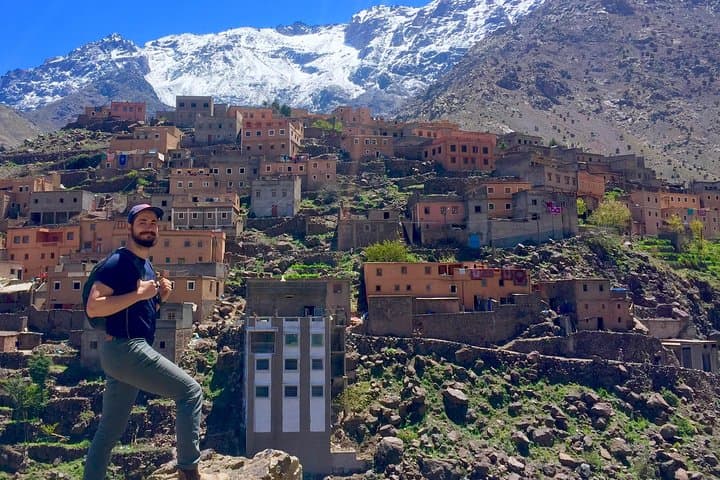
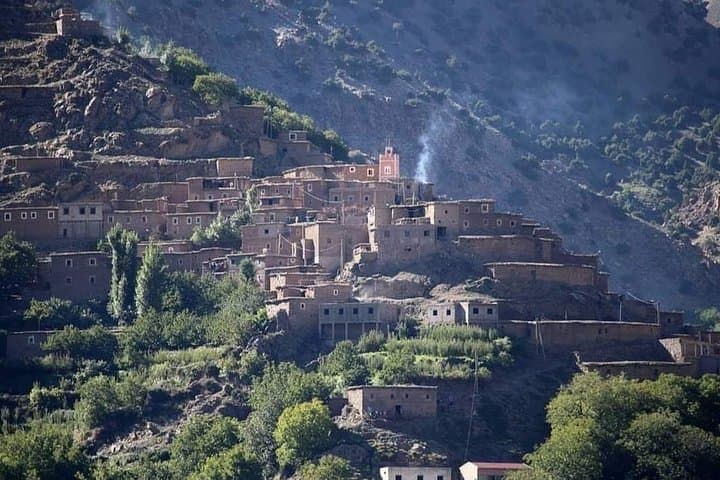
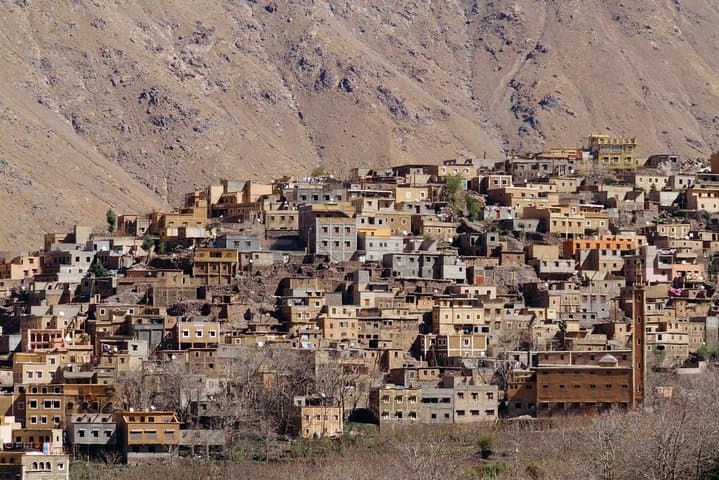
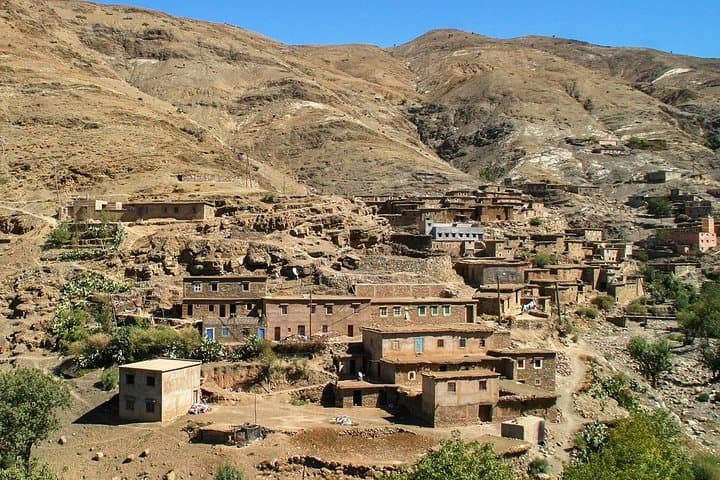
You leave Marrakech behind as the city’s heat thins and the Atlas foothills rise—dry riverbeds first, then terraces clinging to the hill like patchwork. By late morning you’re in Imlil, a cluster of stone houses where mule tracks split toward high passes. The trail climbs past walnut trees and shepherd camps, with Mount Toubkal’s granite flank keeping a constant watch.
You leave Marrakech behind as the city’s heat thins and the Atlas foothills rise—dry riverbeds first, then terraces clinging to the hill like patchwork. By late morning you’re in Imlil, a cluster of stone houses where mule tracks split toward high passes. The trail climbs past walnut trees and shepherd camps, with Mount Toubkal’s granite flank keeping a constant watch.
The High Atlas carries a long human history: Amazigh (Berber) families have farmed these valleys for centuries, trading salt and honey across the ranges. Geologically the peaks are young, folded and uplifted by the African-Eurasian collision; granite domes and steep passes create abrupt viewpoints and fast-draining soils. Along the way you’ll meet villagers in woven djellabas, sample strong mint tea, and sleep in simple gites or under canvas—routes threaded through villages like Ikkiss and Matate that preserve a working rural culture.
Practical guide: expect 4–6 hours walking per day, daily high points around 2,100–2,500 m and starting elevations near 1,700–1,800 m. Terrain alternates between packed dirt, scree slopes at higher passes, and rocky mule tracks. This is a guided, multi-day trek with pick-up from Marrakech, three lunches and most meals provided, and accommodation in local gites/camps. Bring layered clothing for cold nights, sturdy boots for loose rock, a 25–30L daypack, and 2–3 liters of water capacity. Start early to avoid midday sun and allow time to absorb village life; the rhythm of the trail is steady, rewarding steady pace over sprinting.