THE ADVENTURE COLLECTIVE® · Independent discovery and booking for outdoor travel

A focused three-day loop through Beijing’s imperial core and two contrasting Great Wall sections. Expect museum‑quiet palaces, ridgeline stonework, moderate hikes of ~6 km per Wall day, and English-guided logistics.
A focused three-day loop through Beijing’s imperial core and two contrasting Great Wall sections. Expect museum‑quiet palaces, ridgeline stonework, moderate hikes of ~6 km per Wall day, and English-guided logistics.
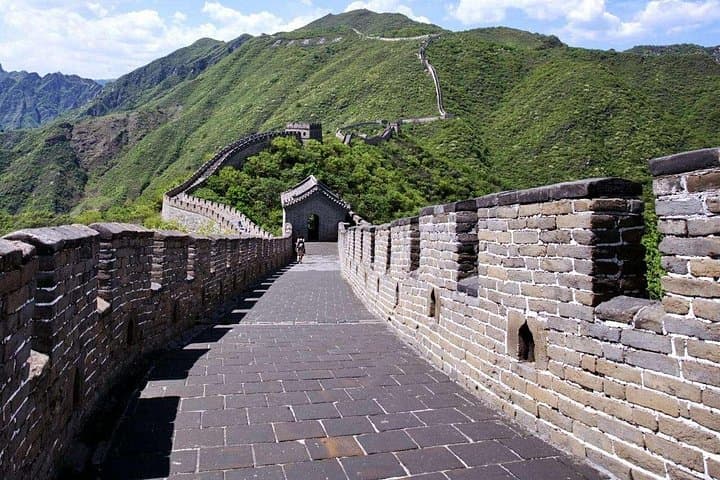
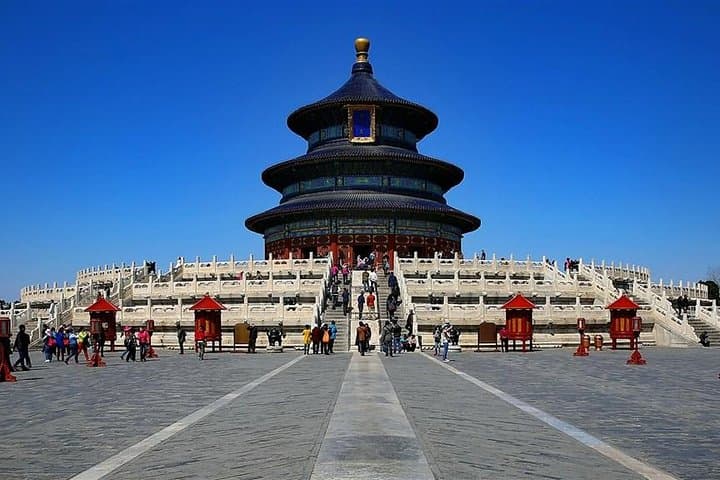
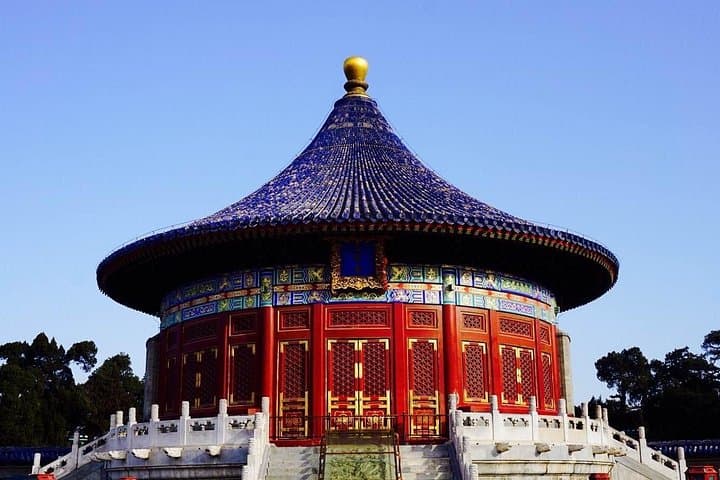
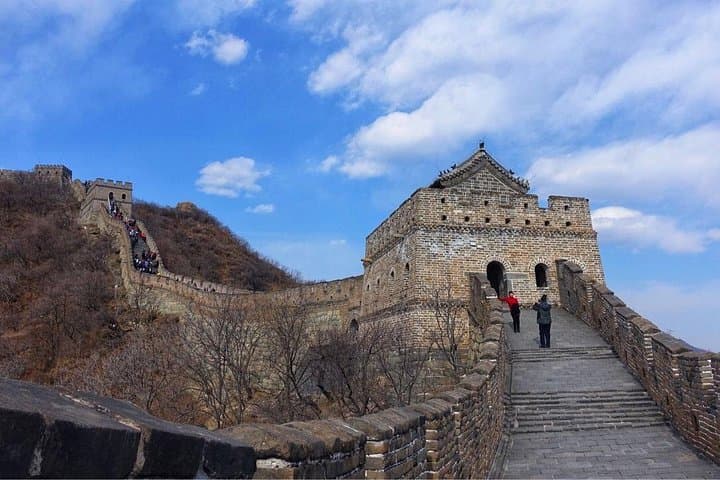
You step out of a central Beijing hotel before dawn, the city still cooling from the previous day, and the bus hums east toward imperial courtyards and mountain ridgelines. The first day drops you into the geometric order of the Forbidden City and the circular harmony of the Temple of Heaven; lacquered beams and courtyards hold six centuries of imperial ritual. By day two the skyline softens into forested ridges as the Mutianyu ramparts come into view — stone steps that climb and fall like a spine across the hills, watchtowers punctuating the ridge every few minutes.
Verified experiences and guided adventures in the surrounding area.
Operated by Private China Tours · Beijing, Beijing
You step out of a central Beijing hotel before dawn, the city still cooling from the previous day, and the bus hums east toward imperial courtyards and mountain ridgelines. The first day drops you into the geometric order of the Forbidden City and the circular harmony of the Temple of Heaven; lacquered beams and courtyards hold six centuries of imperial ritual. By day two the skyline softens into forested ridges as the Mutianyu ramparts come into view — stone steps that climb and fall like a spine across the hills, watchtowers punctuating the ridge every few minutes.
Mutianyu and Jinshanling are Ming-era sections built to guard the northern approaches; their brick-and-stone parapets sit directly on exposed ridgelines and outcrops, so the geology is a straightforward mix of local granite and compacted earth that channels rain into gullies and terraces. Summer Palace lakes and the Temple of Heaven’s ceremonial spaces speak to Beijing’s cultural layers: governance, ritual, leisure.
Practically: expect two days of roughly 6 km hikes on the Wall (Mutianyu ≈2 hours, Jinshanling ≈3 hours) with frequent steep stone steps and a few hundred meters of cumulative elevation change each day. Trails are uneven; hiking shoes and steady footing matter. The tour includes entrances, English guide, transport and simple lunches; bring a passport for check-in and plan for early 7:00 AM departures. Aim to start early to beat crowds, carry 1–2 liters of water, pack a light waterproof layer, and budget time for cable‑car or toboggan options at Mutianyu if you prefer to avoid steep descents.
moderate.
3 days (full days; ~7–10 hours/ day including travel).
Suitable for travelers who can handle repeated stair climbs, uneven footing and several hours of walking each day; basic cardiovascular fitness recommended.
Entrance fees for listed sites and one simple Chinese lunch each day are included as stated; snacks and optional extras (cable car, toboggan) are pay-as-you-go.
Pickup is offered from select hotels inside Beijing’s 2nd Ring Road—confirm your pickup point when you book and have your hotel details ready.
Each Wall day covers roughly 6 km with many stone steps and intermittent climbs; hikers should be comfortable on uneven terrain for 2–3 hours per section.
Carry your passport, hiking shoes, 1–2 L water, sun protection, a small first-aid kit, and some cash for local purchases and optional cable-car rides.
The Forbidden City was the Ming and Qing dynasties’ imperial palace for roughly 500–600 years; the Mutianyu and Jinshanling Great Wall sections were extensively rebuilt in the Ming era to fortify Beijing’s northern approaches.
Erosion and visitor pressure are ongoing concerns—stay on marked paths, avoid touching fragile masonry, and carry out all trash to reduce impact.
Private China Tours operates guided outdoor trips and adventures with an emphasis on safety, stewardship, and memorable experiences.
You step out of a central Beijing hotel before dawn, the city still cooling from the previous day, and the bus hums east toward imperial courtyards and mountain ridgelines. The first day drops you into the geometric order of the Forbidden City and the circular harmony of the Temple of Heaven; lacquered beams and courtyards hold six centuries of imperial ritual. By day two the skyline softens into forested ridges as the Mutianyu ramparts come into view — stone steps that climb and fall like a spine across the hills, watchtowers punctuating the ridge every few minutes.
You step out of a central Beijing hotel before dawn, the city still cooling from the previous day, and the bus hums east toward imperial courtyards and mountain ridgelines. The first day drops you into the geometric order of the Forbidden City and the circular harmony of the Temple of Heaven; lacquered beams and courtyards hold six centuries of imperial ritual. By day two the skyline softens into forested ridges as the Mutianyu ramparts come into view — stone steps that climb and fall like a spine across the hills, watchtowers punctuating the ridge every few minutes.
Mutianyu and Jinshanling are Ming-era sections built to guard the northern approaches; their brick-and-stone parapets sit directly on exposed ridgelines and outcrops, so the geology is a straightforward mix of local granite and compacted earth that channels rain into gullies and terraces. Summer Palace lakes and the Temple of Heaven’s ceremonial spaces speak to Beijing’s cultural layers: governance, ritual, leisure.
Practically: expect two days of roughly 6 km hikes on the Wall (Mutianyu ≈2 hours, Jinshanling ≈3 hours) with frequent steep stone steps and a few hundred meters of cumulative elevation change each day. Trails are uneven; hiking shoes and steady footing matter. The tour includes entrances, English guide, transport and simple lunches; bring a passport for check-in and plan for early 7:00 AM departures. Aim to start early to beat crowds, carry 1–2 liters of water, pack a light waterproof layer, and budget time for cable‑car or toboggan options at Mutianyu if you prefer to avoid steep descents.