THE ADVENTURE COLLECTIVE® · Independent discovery and booking for outdoor travel

Three days to sample Bali’s coastal temples, hidden waterfalls, royal water gardens and volcanic views—delivered with private transport and a local English-speaking guide. Expect early mornings, temple etiquette, and dramatic photo opportunities from cliffs to canyon shafts of light.
Three days to sample Bali’s coastal temples, hidden waterfalls, royal water gardens and volcanic views—delivered with private transport and a local English-speaking guide. Expect early mornings, temple etiquette, and dramatic photo opportunities from cliffs to canyon shafts of light.
You step out of Ngurah Rai’s humid air into a cool car seat, and the island begins to unspool: cliff-edged temples crowding the south coast, rice terraces folding into the hills, and a waterfall tucked between a canyon’s ribs. Daylight slides through the windshield as your Balinese driver-guide outlines a simple promise—three days to touch the island’s most striking contrasts.
Verified experiences and guided adventures in the surrounding area.
Operated by Blue Star Bali Tour · Seminyak, Bali
You step out of Ngurah Rai’s humid air into a cool car seat, and the island begins to unspool: cliff-edged temples crowding the south coast, rice terraces folding into the hills, and a waterfall tucked between a canyon’s ribs. Daylight slides through the windshield as your Balinese driver-guide outlines a simple promise—three days to touch the island’s most striking contrasts.
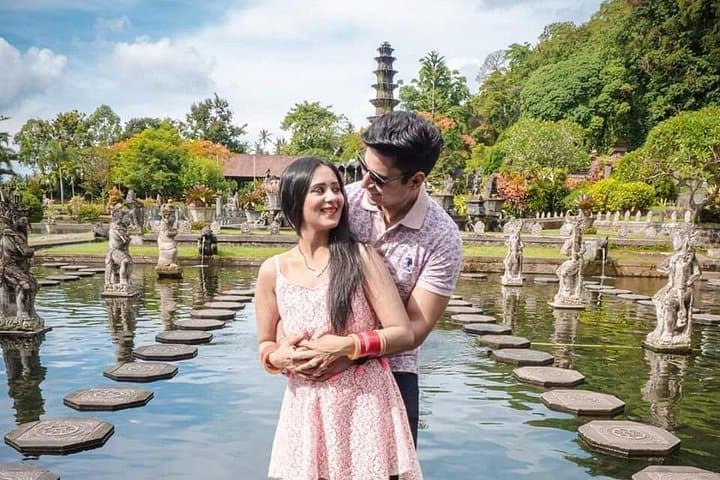
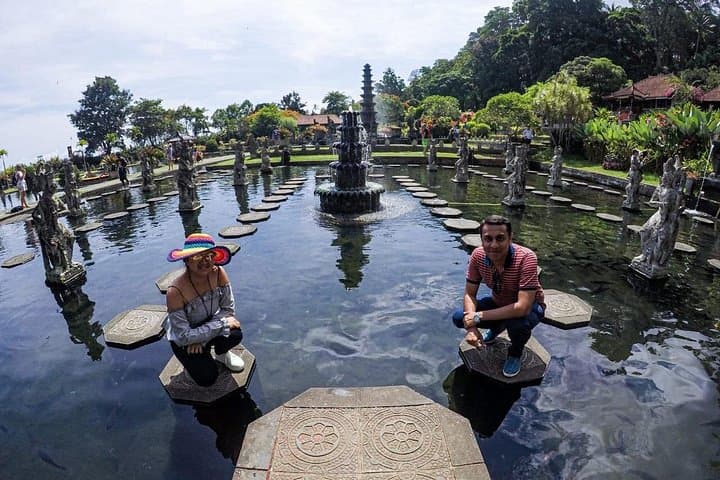
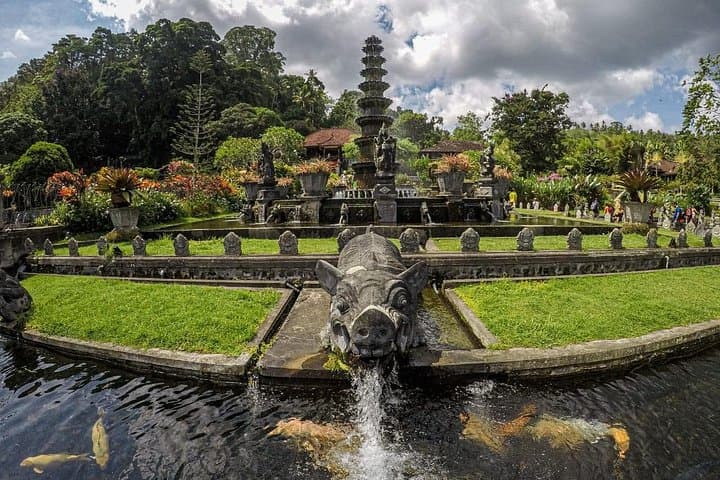
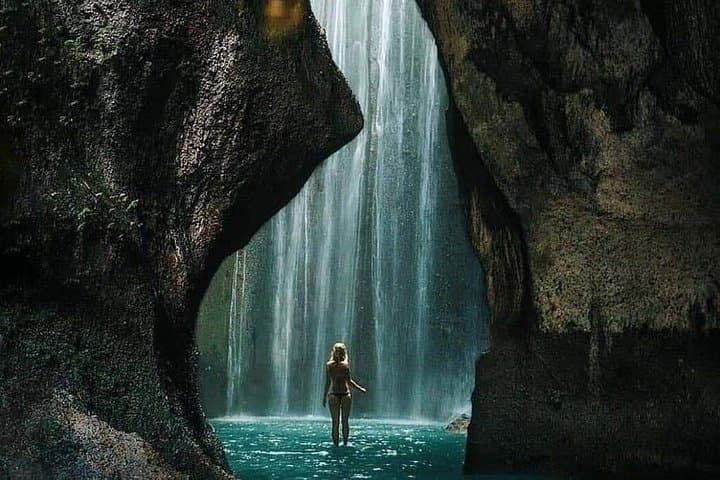
This compact circuit threads cultural and geological landmarks. Uluwatu balances on coral cliffs where currents gnaw at the base and sunset pulls the temple’s silhouette into sharp relief. In the east, Tukad Cepung hides inside a narrow slot; light shafts break through the cliff lip and animate the falling water. Tirta Gangga’s royal pools are engineered expressions of water’s spiritual role in Balinese life, while Lempuyang’s gate frames volcano-swept horizons and the ascent tests breath and focus.
History here is layered: sea-trading kingdoms, Hindu temple networks (the Sad Kahyangan), and royal estates that shaped irrigation and terrace farming. Geologically, Bali is a volcanic spine—the island’s soils and dramatic coastlines come from repeated eruptions and coral growth.
Practical guidance: plan early starts to avoid heat and crowds, bring sturdy shoes for uneven temple steps and waterfall rock, and pack a sarong for temple visits. Hydrate—tropical days are relentless—and keep a lightweight rain jacket in the shoulder seasons. Respect offerings and local customs at sacred sites and budget time for unexpected photo stops; the island frequently offers a better view than you expect.
moderate.
3 days.
Basic fitness for short hikes, stairs at temples, and a descent to waterfalls; able to walk 30–60 minutes over uneven terrain.
Yes—package notes indicate it’s suitable for all fitness levels; infants should sit on an adult’s lap during transfers and families should plan slower pacing.
Entrance fees as listed in the itinerary and lunches/dinners specified are included; check the itinerary for which meals are provided each day.
Expect short walks of 30–60 minutes at sites, stairs at temples, and a moderate descent to Tukad Cepung; minimal sustained hiking.
Tipping is customary for good service in Bali; a small daily tip for a private driver-guide is appreciated but not mandatory.
The itinerary touches the Sad Kahyangan temple network and royal sites like Tirta Gangga, reflecting Bali’s fused Hindu and pre-Hindu royal traditions.
Water management and temple offerings are central to local conservation; keep to marked paths and avoid littering to protect fragile terraces and reef areas.
Blue Star Bali Tour operates guided outdoor trips and adventures with an emphasis on safety, stewardship, and memorable experiences.
You step out of Ngurah Rai’s humid air into a cool car seat, and the island begins to unspool: cliff-edged temples crowding the south coast, rice terraces folding into the hills, and a waterfall tucked between a canyon’s ribs. Daylight slides through the windshield as your Balinese driver-guide outlines a simple promise—three days to touch the island’s most striking contrasts.
You step out of Ngurah Rai’s humid air into a cool car seat, and the island begins to unspool: cliff-edged temples crowding the south coast, rice terraces folding into the hills, and a waterfall tucked between a canyon’s ribs. Daylight slides through the windshield as your Balinese driver-guide outlines a simple promise—three days to touch the island’s most striking contrasts.
This compact circuit threads cultural and geological landmarks. Uluwatu balances on coral cliffs where currents gnaw at the base and sunset pulls the temple’s silhouette into sharp relief. In the east, Tukad Cepung hides inside a narrow slot; light shafts break through the cliff lip and animate the falling water. Tirta Gangga’s royal pools are engineered expressions of water’s spiritual role in Balinese life, while Lempuyang’s gate frames volcano-swept horizons and the ascent tests breath and focus.
History here is layered: sea-trading kingdoms, Hindu temple networks (the Sad Kahyangan), and royal estates that shaped irrigation and terrace farming. Geologically, Bali is a volcanic spine—the island’s soils and dramatic coastlines come from repeated eruptions and coral growth.
Practical guidance: plan early starts to avoid heat and crowds, bring sturdy shoes for uneven temple steps and waterfall rock, and pack a sarong for temple visits. Hydrate—tropical days are relentless—and keep a lightweight rain jacket in the shoulder seasons. Respect offerings and local customs at sacred sites and budget time for unexpected photo stops; the island frequently offers a better view than you expect.