THE ADVENTURE COLLECTIVE® · Independent discovery and booking for outdoor travel

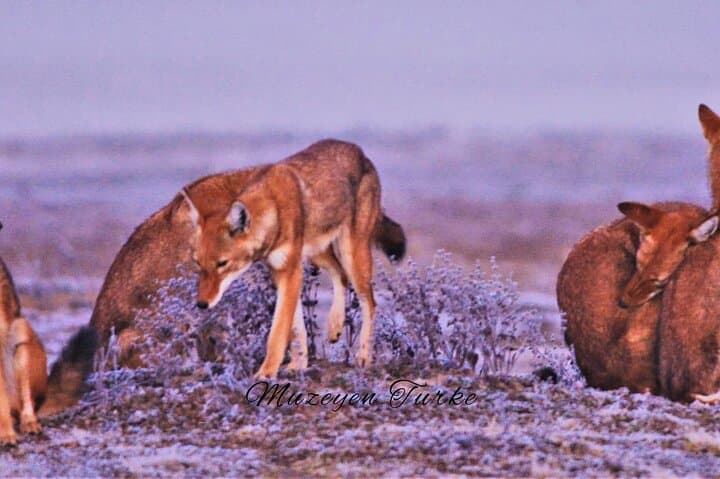
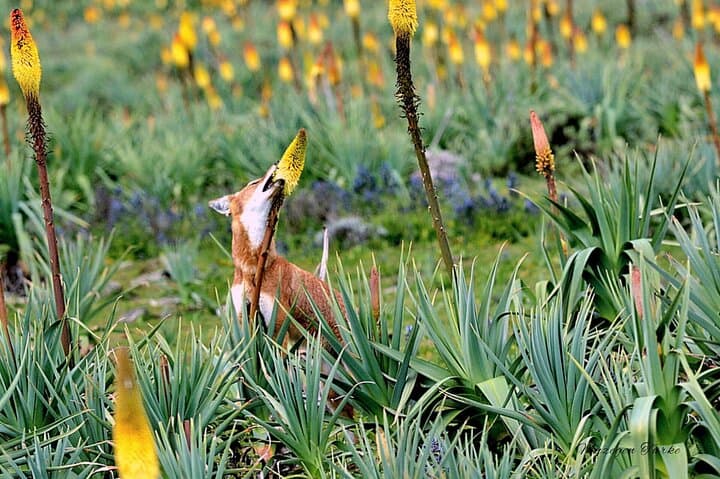
Drive from Addis into high Afro-alpine country on a compact, three-day loop exploring Dinsho, Harena Forest and the Sanetti Plateau. Expect long drives, high elevations up to 4,377 m, and some of Africa’s rarest wildlife—most notably the Ethiopian wolf.
Drive from Addis into high Afro-alpine country on a compact, three-day loop exploring Dinsho, Harena Forest and the Sanetti Plateau. Expect long drives, high elevations up to 4,377 m, and some of Africa’s rarest wildlife—most notably the Ethiopian wolf.
You arrive before dawn at the edge of the Rift Valley and the road pushes you up into a different climate: Harena’s montane forest gives way to the wind-swept Sanetti Plateau, where grass and cushion plants lean into the altitude.
Verified experiences and guided adventures in the surrounding area.
Operated by Enat Ethiopia Tours · Dinsho, Oromia
You arrive before dawn at the edge of the Rift Valley and the road pushes you up into a different climate: Harena’s montane forest gives way to the wind-swept Sanetti Plateau, where grass and cushion plants lean into the altitude.
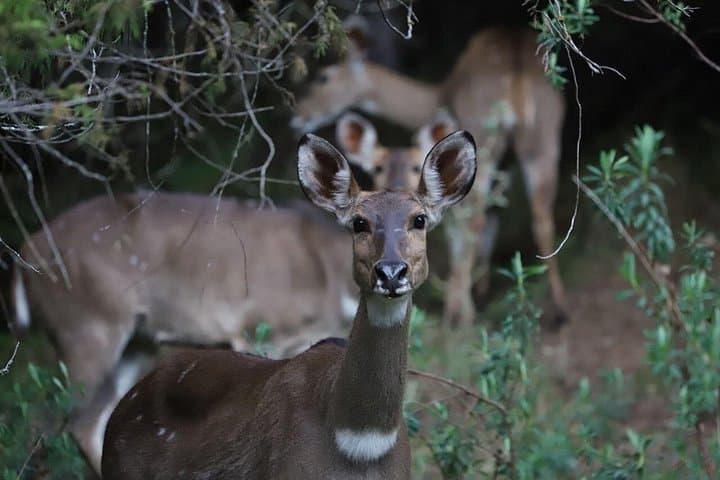
On this three-day loop from Addis Ababa you'll move from forest trails around Dinsho—home to mountain nyala and bushbuck—onto the plateau between roughly 3,800 and 4,377 meters. The plateau is volcanic highland: open moorland, volcanic outcrops and peat soils that hold the cold. Geological uplift and erosion carved dramatic ridgelines while isolated climate created one of Africa’s most important highland ecosystems.
Culturally the Bale region is Oromo country: shepherding and smallholder agriculture shape the lowland villages, while Dinsho serves as the park HQ and a base for local guides and scouts. Historically the park is a UNESCO Biosphere Reserve and one of the best places to see the Ethiopian wolf hunting giant mole-rats on the plateau.
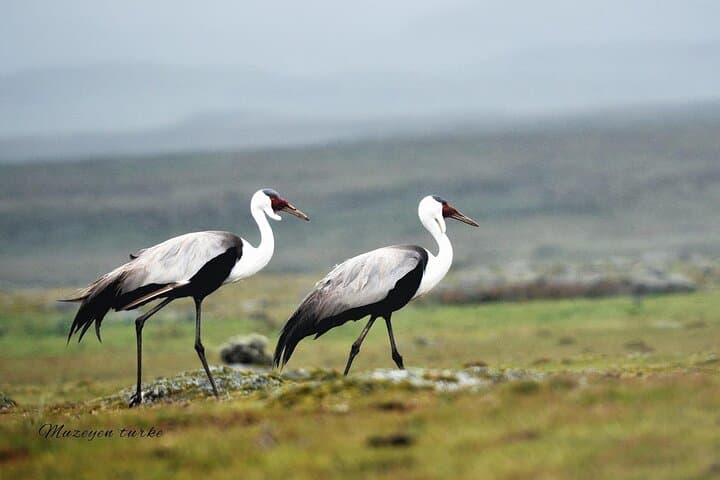
Practically expect long drives (Addis–Bale is roughly 6–8 hours by road each way), early starts for wildlife viewing, and chilly nights at guesthouse accommodations like those near Harena. Trails vary from packed dirt in the forest to boggy peat and tussock grass on the plateau—good ankle support and gaiters help. Altitude is the primary challenge: hydrate, sleep low when possible before heavy exertion, and watch for symptoms of AMS. Binoculars and a camera with a telephoto lens reward patient observation of wolves, raptors, and endemic birds. Local guides handle permits and route choices; bring layered clothing, water purification, and a sense of patience—the plateau’s weather can change on the hour.
challenging.
3 days.
Good cardiovascular fitness and experience hiking at altitude recommended; comfortable with sustained walking and uneven terrain.
Terrain ranges from easy walking to boggy, uneven ground at high altitude; physical exertion is moderate but altitude makes it more demanding.
Guides focus on known wolf areas and sightings are common on the Sanetti Plateau, but wildlife can be unpredictable—early starts improve your chances.
Yes—entrance fees and permits are required for Bale Mountains National Park and are typically handled by the tour operator or guide included in the trip price.
Weather is variable—sunny and cold on the plateau, wet seasons bring persistent mist and muddy trails; bring waterproof layers and warm clothing year-round.
Bale Mountains National Park was designated in the 1960s and later recognized as a UNESCO Biosphere Reserve for its unique highland ecosystems and endemic species.
The park faces pressures from overgrazing, wildfire and human encroachment; tours that support local guides and park fees contribute to conservation and community livelihoods.
Enat Ethiopia Tours operates guided outdoor trips and adventures with an emphasis on safety, stewardship, and memorable experiences.
You arrive before dawn at the edge of the Rift Valley and the road pushes you up into a different climate: Harena’s montane forest gives way to the wind-swept Sanetti Plateau, where grass and cushion plants lean into the altitude.
You arrive before dawn at the edge of the Rift Valley and the road pushes you up into a different climate: Harena’s montane forest gives way to the wind-swept Sanetti Plateau, where grass and cushion plants lean into the altitude.
On this three-day loop from Addis Ababa you'll move from forest trails around Dinsho—home to mountain nyala and bushbuck—onto the plateau between roughly 3,800 and 4,377 meters. The plateau is volcanic highland: open moorland, volcanic outcrops and peat soils that hold the cold. Geological uplift and erosion carved dramatic ridgelines while isolated climate created one of Africa’s most important highland ecosystems.
Culturally the Bale region is Oromo country: shepherding and smallholder agriculture shape the lowland villages, while Dinsho serves as the park HQ and a base for local guides and scouts. Historically the park is a UNESCO Biosphere Reserve and one of the best places to see the Ethiopian wolf hunting giant mole-rats on the plateau.
Practically expect long drives (Addis–Bale is roughly 6–8 hours by road each way), early starts for wildlife viewing, and chilly nights at guesthouse accommodations like those near Harena. Trails vary from packed dirt in the forest to boggy peat and tussock grass on the plateau—good ankle support and gaiters help. Altitude is the primary challenge: hydrate, sleep low when possible before heavy exertion, and watch for symptoms of AMS. Binoculars and a camera with a telephoto lens reward patient observation of wolves, raptors, and endemic birds. Local guides handle permits and route choices; bring layered clothing, water purification, and a sense of patience—the plateau’s weather can change on the hour.