THE ADVENTURE COLLECTIVE® · Independent discovery and booking for outdoor travel

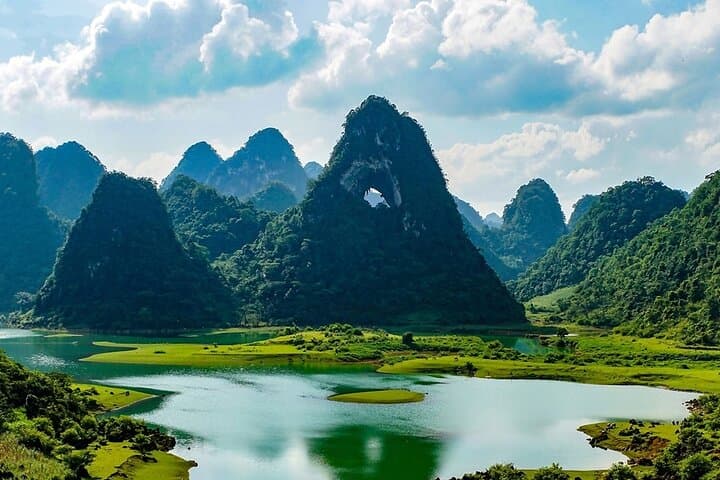
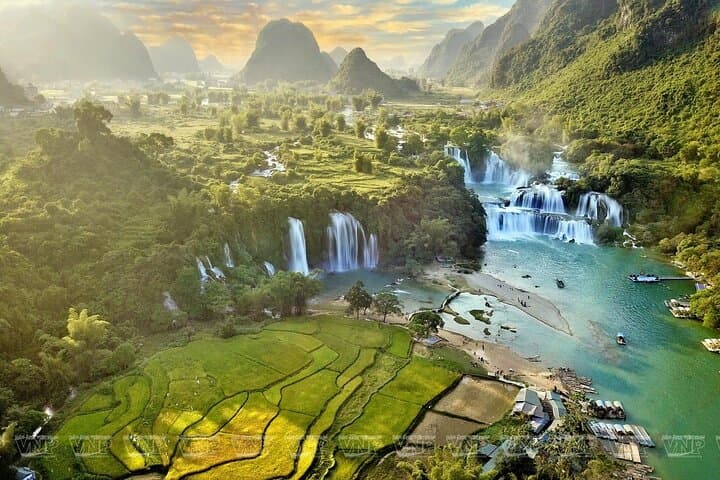
Trade Hanoi traffic for limestone passes, border waterfalls and a tranquil boat ride on Ba Be Lake. This guided 3-day itinerary combines history at Pac Bo Cave with the spectacle of Ban Gioc and the calm of Ba Be’s islands and temples.
Trade Hanoi traffic for limestone passes, border waterfalls and a tranquil boat ride on Ba Be Lake. This guided 3-day itinerary combines history at Pac Bo Cave with the spectacle of Ban Gioc and the calm of Ba Be’s islands and temples.
Morning light breaks over wet rice terraces as a minivan pulls away from Hanoi, the road unspooling into the green shoulder of northern Vietnam. By late afternoon the group has traded traffic noise for the hush of karst ridges and the cool smell of pine; Pac Bo Cave sits quiet where history meets limestone, and the wind through narrow passes seems to push travelers forward.
Verified experiences and guided adventures in the surrounding area.
Operated by Vietnam Explorer · Cao Bang, Cao Bang Province
Morning light breaks over wet rice terraces as a minivan pulls away from Hanoi, the road unspooling into the green shoulder of northern Vietnam. By late afternoon the group has traded traffic noise for the hush of karst ridges and the cool smell of pine; Pac Bo Cave sits quiet where history meets limestone, and the wind through narrow passes seems to push travelers forward.
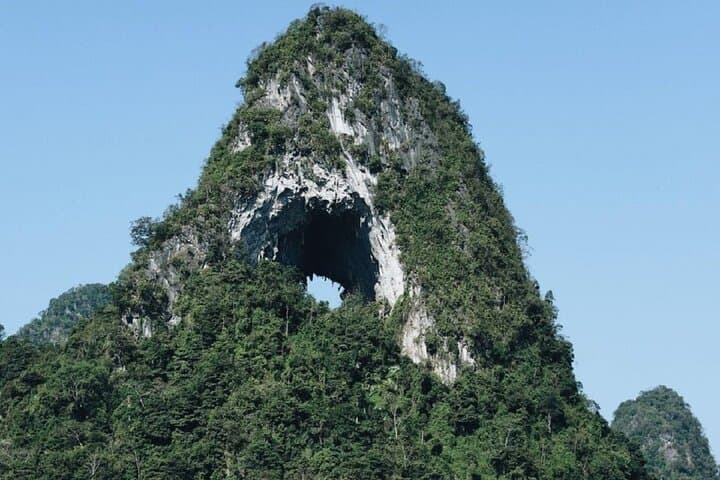
This route threads through regions shaped by uplifted limestone and ancient rivers—Ban Gioc tumbles over travertine steps at the China border while Ba Be Lake fills a tectonic basin carved into sandstone and karst. Pac Bo is a short, historically significant site where Ho Chi Minh lived and organized in the 1940s; local Tay and Nung communities retain distinct languages, stilt houses, and river-based farming traditions.
Expect a mix of paved highway and rural backroads, short to moderate walks at viewpoints (50–300 m elevation changes, uneven terrain), and a calm 1–3 hour boat ride across Ba Be’s open water to Fairy Pond and An Ma Temple. Guides handle logistics, hotels, most meals, and entrance fees; travel time from Hanoi to Cao Bang is roughly 5–7 hours by road depending on traffic.
Practical edge: pack sturdy shoes for slippery riverbanks, a light rain shell, insect repellent, and cash for small village purchases. Start early on sightseeing days to beat midday heat at waterfalls and to catch the best light for photos. The trip suits travelers with moderate fitness who are comfortable boarding small boats and walking on uneven trails.
moderate.
3 days.
Moderate fitness: able to walk on uneven ground, board small boats, and tolerate multi-hour road transfers.
Expect approximately 5–7 hours of driving to Cao Bang depending on traffic and stops; transfers are by A/C van or coach.
Yes — the tour includes 2 nights’ hotels, breakfasts, lunches and dinners as listed, plus some entrance fees and boat trips.
The tour is family-friendly but requires mobility for short walks and boarding boats; it’s not recommended for those with serious cardiovascular issues.
No special visa is required beyond Vietnam entry requirements; Ban Gioc is on the border but visits stay on the Vietnamese side—carry ID/passport as required.
Pac Bo Cave is historically important as a base used by Ho Chi Minh after his return to Vietnam in 1941; the Ban Gioc area has long been a frontier zone between Vietnam and China.
The karst and freshwater systems are sensitive—stick to marked paths, avoid single-use plastics near the lake, and support local guides to minimize impact.
Vietnam Explorer operates guided outdoor trips and adventures with an emphasis on safety, stewardship, and memorable experiences.

Morning light breaks over wet rice terraces as a minivan pulls away from Hanoi, the road unspooling into the green shoulder of northern Vietnam. By late afternoon the group has traded traffic noise for the hush of karst ridges and the cool smell of pine; Pac Bo Cave sits quiet where history meets limestone, and the wind through narrow passes seems to push travelers forward.
Morning light breaks over wet rice terraces as a minivan pulls away from Hanoi, the road unspooling into the green shoulder of northern Vietnam. By late afternoon the group has traded traffic noise for the hush of karst ridges and the cool smell of pine; Pac Bo Cave sits quiet where history meets limestone, and the wind through narrow passes seems to push travelers forward.
This route threads through regions shaped by uplifted limestone and ancient rivers—Ban Gioc tumbles over travertine steps at the China border while Ba Be Lake fills a tectonic basin carved into sandstone and karst. Pac Bo is a short, historically significant site where Ho Chi Minh lived and organized in the 1940s; local Tay and Nung communities retain distinct languages, stilt houses, and river-based farming traditions.
Expect a mix of paved highway and rural backroads, short to moderate walks at viewpoints (50–300 m elevation changes, uneven terrain), and a calm 1–3 hour boat ride across Ba Be’s open water to Fairy Pond and An Ma Temple. Guides handle logistics, hotels, most meals, and entrance fees; travel time from Hanoi to Cao Bang is roughly 5–7 hours by road depending on traffic.
Practical edge: pack sturdy shoes for slippery riverbanks, a light rain shell, insect repellent, and cash for small village purchases. Start early on sightseeing days to beat midday heat at waterfalls and to catch the best light for photos. The trip suits travelers with moderate fitness who are comfortable boarding small boats and walking on uneven trails.