THE ADVENTURE COLLECTIVE® · Independent discovery and booking for outdoor travel

A compact, high-altitude circuit that combines Ausangate’s glacial lakes and passes with sunrise at Vinicunca (Rainbow Mountain). Expect steep climbs, thin air and spectacular color. Read on for practical tips and what to pack.
A compact, high-altitude circuit that combines Ausangate’s glacial lakes and passes with sunrise at Vinicunca (Rainbow Mountain). Expect steep climbs, thin air and spectacular color. Read on for practical tips and what to pack.
A purple dawn slides up the flank of Ausangate as you tighten the straps on your pack — the air is thin, the world acute. On this three-day circuit you move through high puna, past turquoise glacial lakes and across passes that give the mountains voice: wind that pushes you forward, a glacier that glints like an old coin.
Verified experiences and guided adventures in the surrounding area.
Operated by Peru Hike · Cusco, Cusco
A purple dawn slides up the flank of Ausangate as you tighten the straps on your pack — the air is thin, the world acute. On this three-day circuit you move through high puna, past turquoise glacial lakes and across passes that give the mountains voice: wind that pushes you forward, a glacier that glints like an old coin.
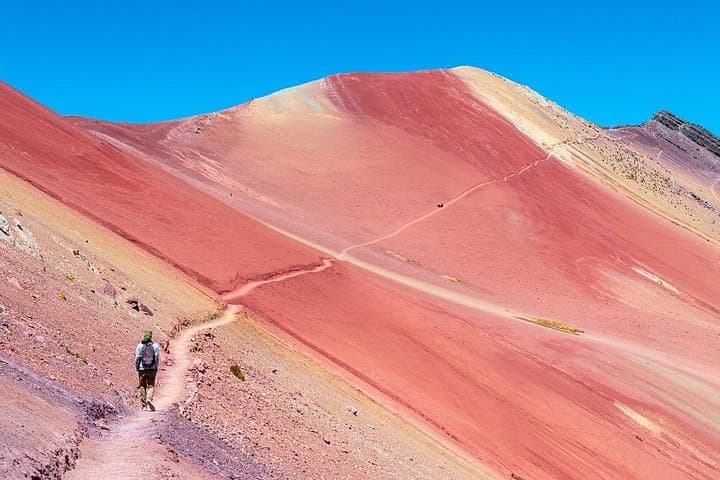
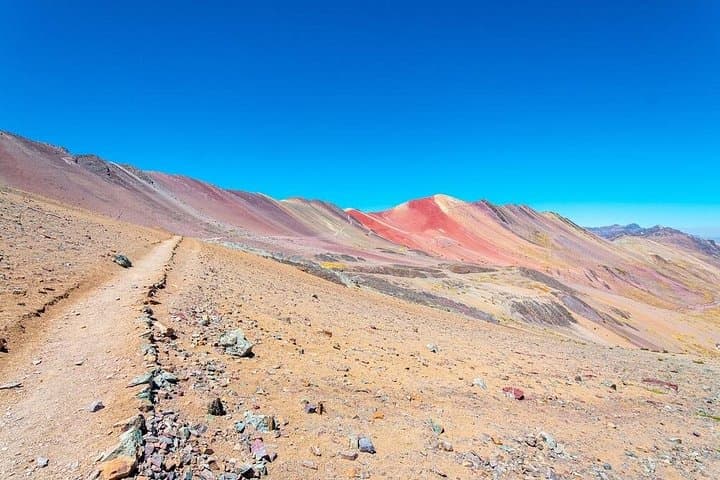
The route threads territory long held by Andean communities; Ausangate is an Apu, a sacred mountain in Quechua tradition, and the colored banding of Vinicunca (Rainbow Mountain) is a geologic record of sedimentary minerals exposed by uplift and erosion. Expect tills, moraines and evaporitic layers that paint hills red, green, yellow and pink where iron, copper and other minerals weather at high elevation.
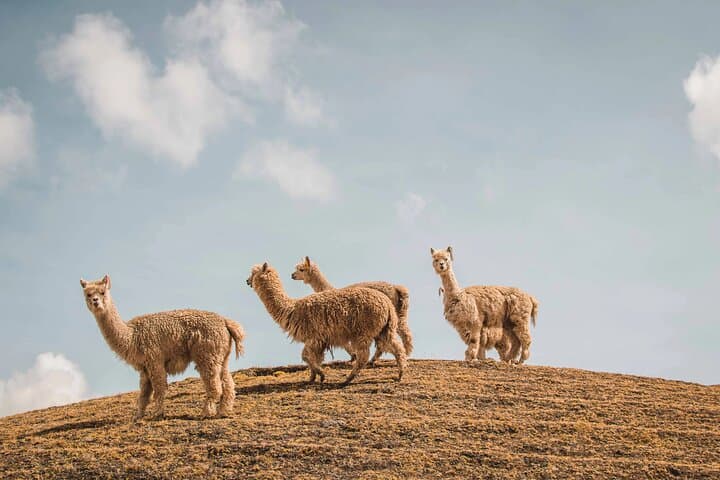
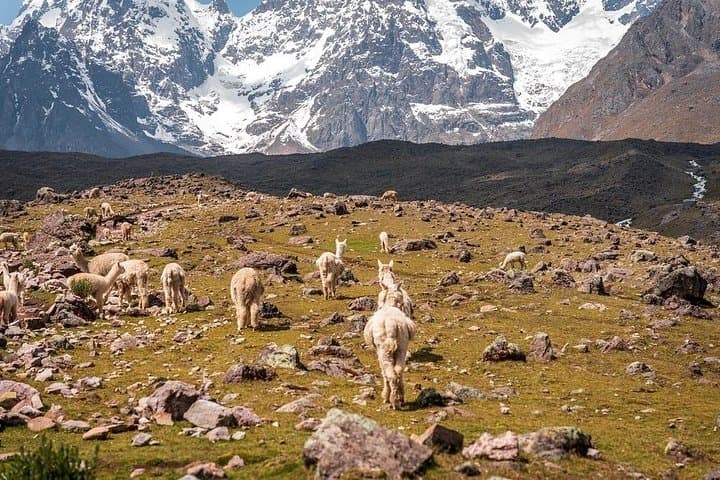
Culturally, you’ll encounter herding landscapes — llamas and vicuñas grazing the high grass — and local coca rituals used historically to ease acclimatization. The area receives relatively few visitors compared with classic Inca routes, so camps feel remote and evenings quiet.
Practically: the trek reaches flats and passes above 4,800–5,100 m (15,700–16,700 ft), so altitude management is the priority. Guides include sleeping systems, meals and emergency oxygen; bring layered insulation, stout boots, sun protection and a compact day pack. Start times are early to catch light on Vinicunca and avoid crowds; expect 4–7 hours of hiking on trek days with steep ascents and loose scree on descents. Hydrate, pace upward sections, and use trekking poles. If you respect the altitude and the environment, this short but demanding circuit delivers raw high-Andean scenery and sunrise over one of Peru’s most photographed summits.
challenging.
3 days (total hiking ≈8–12 hours).
Good aerobic fitness with experience at sustained uphill hiking; ability to handle high altitude and uneven terrain.
The trek reaches 5,100 m; altitude sickness is a real risk—acclimatize in Cusco, ascend slowly, hydrate, and notify guides of symptoms; they carry oxygen and medical kits.
Operators supply 4-season tents, sleeping pads, pillows and a chef for meals; you still need a suitable sleeping bag unless provided by tour inclusions.
Facilities are minimal; expect basic pit toilets at some camps and portable options in busy areas—plan for hygiene supplies and hand sanitizer.
No technical climbing skills are needed, but previous multi-day trekking experience and fitness for long uphill sections are strongly recommended.
Ausangate has been revered as an Apu (sacred mountain) by Quechua communities for centuries; local rituals and herding patterns still reflect this cultural significance.
The high puna is fragile—stick to trails, pack out waste, and follow local regulations and entrance rules to minimize impact on fragile soils and wetlands.
Peru Hike operates guided outdoor trips and adventures with an emphasis on safety, stewardship, and memorable experiences.
A purple dawn slides up the flank of Ausangate as you tighten the straps on your pack — the air is thin, the world acute. On this three-day circuit you move through high puna, past turquoise glacial lakes and across passes that give the mountains voice: wind that pushes you forward, a glacier that glints like an old coin.
A purple dawn slides up the flank of Ausangate as you tighten the straps on your pack — the air is thin, the world acute. On this three-day circuit you move through high puna, past turquoise glacial lakes and across passes that give the mountains voice: wind that pushes you forward, a glacier that glints like an old coin.
The route threads territory long held by Andean communities; Ausangate is an Apu, a sacred mountain in Quechua tradition, and the colored banding of Vinicunca (Rainbow Mountain) is a geologic record of sedimentary minerals exposed by uplift and erosion. Expect tills, moraines and evaporitic layers that paint hills red, green, yellow and pink where iron, copper and other minerals weather at high elevation.
Culturally, you’ll encounter herding landscapes — llamas and vicuñas grazing the high grass — and local coca rituals used historically to ease acclimatization. The area receives relatively few visitors compared with classic Inca routes, so camps feel remote and evenings quiet.
Practically: the trek reaches flats and passes above 4,800–5,100 m (15,700–16,700 ft), so altitude management is the priority. Guides include sleeping systems, meals and emergency oxygen; bring layered insulation, stout boots, sun protection and a compact day pack. Start times are early to catch light on Vinicunca and avoid crowds; expect 4–7 hours of hiking on trek days with steep ascents and loose scree on descents. Hydrate, pace upward sections, and use trekking poles. If you respect the altitude and the environment, this short but demanding circuit delivers raw high-Andean scenery and sunrise over one of Peru’s most photographed summits.